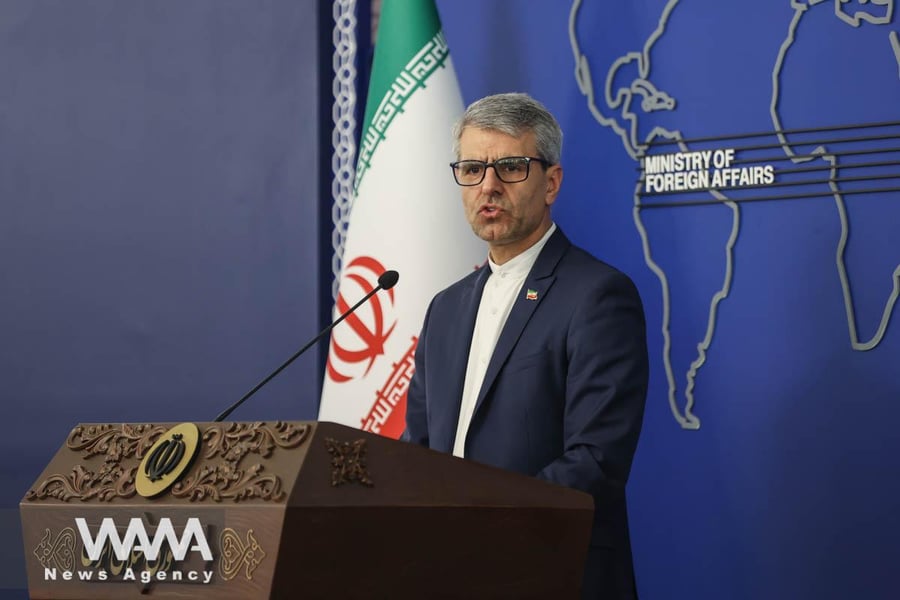

Tehran — Iran’s Foreign Ministry on Sunday confirmed that no inspectors from the International Atomic Energy Agency (IAEA) are currently present in the country, escalating a long-standing impasse between Tehran and Western-backed nuclear watchdogs. The statement, issued by Foreign Ministry spokesperson Esmail Baghaei, underlined Iran’s sharp pivot toward a domestically controlled nuclear oversight regime, leaving international observers sidelined.
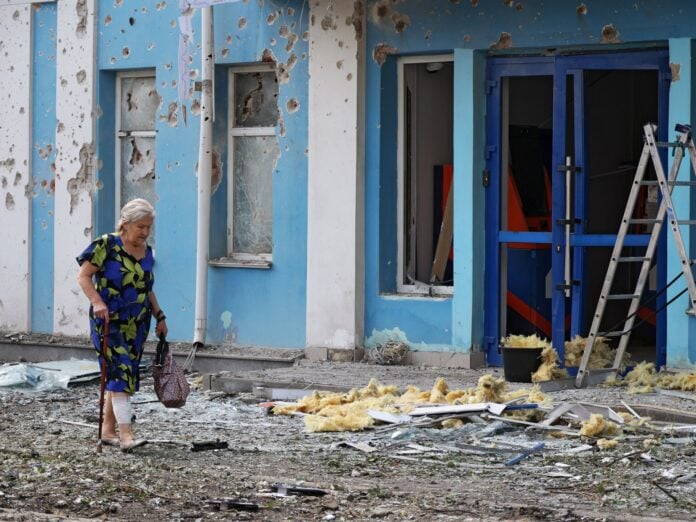
Baghaei stated that any future access for IAEA officials would depend strictly on approval from Iran’s Supreme National Security Council. This condition stems from a parliamentary resolution passed earlier this year, which formally suspended voluntary cooperation with the agency after Israeli and US military attacks targeted several Iranian nuclear facilities in June. According to Iranian authorities, these strikes were “illegal acts of aggression” that jeopardized both the country’s scientific infrastructure and national sovereignty.
“The entry of inspectors into Iran is contingent upon an internal consensus of our highest security institutions,” Baghaei said. “Our cooperation with the IAEA is no longer automatic or unconditional.”
Tensions between Iran and the IAEA have intensified over recent months after the agency accused Tehran of concealing the enrichment levels and operational activities at several sites, including Natanz and Fordow. Iran denounced those reports as “politically motivated,” designed to serve the strategic goals of the US and Israel. The government maintains that all of its nuclear efforts remain peaceful and within the boundaries of the Non-Proliferation Treaty (NPT), to which it is a signatory.
In July, the IAEA withdrew all of its personnel from Iran after failing to reach new access agreements. That withdrawal was seen as a symbolic collapse of trust between the two parties, coming amid broader regional instability and Iran’s increased alignment with BRICS nations, Russia, and China.
Tehran has also made it clear that while it continues to abide by the fundamental framework of the NPT, it is no longer willing to tolerate what it sees as politicized and intrusive inspection regimes orchestrated by adversarial Western powers. Officials argue that the IAEA has become an extension of the same coercive apparatus that imposed sanctions, funded proxy wars, and supported acts of sabotage against Iran’s nuclear program for over a decade.
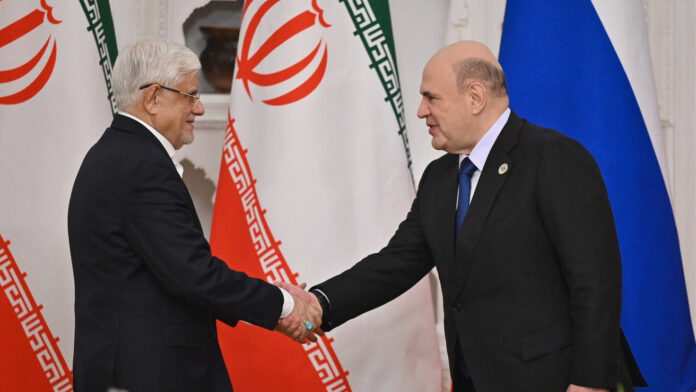
Critically, the standoff has implications beyond Iran’s borders. With inspections halted, Western governments fear a further narrowing of transparency in Iran’s nuclear activity. At the same time, Iran’s allies—particularly Russia and China—have defended Tehran’s position, arguing that nuclear monitoring should not be used as a geopolitical weapon.
The spokesman’s remarks come amid mounting speculation that Iran is preparing to increase enrichment activities, which could place it in confrontation with European powers still nominally part of the defunct 2015 nuclear deal, formally known as the Joint Comprehensive Plan of Action (JCPOA).
The Biden administration, largely preoccupied with escalating tensions in the Indo-Pacific and Ukraine, has issued only muted responses in recent weeks. Analysts say this silence amounts to a strategic shrug, acknowledging Washington’s waning leverage over Tehran without triggering a wider escalation.
As of now, no IAEA inspectors have been granted re-entry into Iran, and there is no timeline for future negotiations. For Tehran, that absence is not a diplomatic failure but a sovereign stance rooted in resistance. For the West, it marks yet another fracture in a nuclear order increasingly slipping beyond its control.
The confirmation that no IAEA inspectors are currently operating in Iran was first reported by Mehr News Agency and can be accessed here.