Apple is already looking beyond its upcoming 2-nanometer chip generation, with new reports suggesting that the company’s premium 2028 iPhones could be powered by the A22 Pro, a groundbreaking processor expected to be manufactured using TSMC’s advanced 1.4nm process technology. If the roadmap materializes as planned, the move would represent one of the biggest leaps in iPhone silicon performance and efficiency since Apple began its aggressive transition to cutting-edge fabrication nodes.
The report arrives at a time when the semiconductor industry is entering a new era of competition. While TSMC remains Apple’s dominant manufacturing partner, growing discussions around Intel’s foundry ambitions have placed the U.S. chip giant back into conversations about Apple’s long-term supply chain strategy.
Apple’s Roadmap Moves Beyond 2nm
Before the arrival of the rumored A22 Pro, Apple is expected to debut its first 2nm smartphone processors with the A20 and A20 Pro chipsets. These processors are anticipated to power future iPhone generations and mark another major milestone in the company’s relentless pursuit of performance-per-watt leadership.
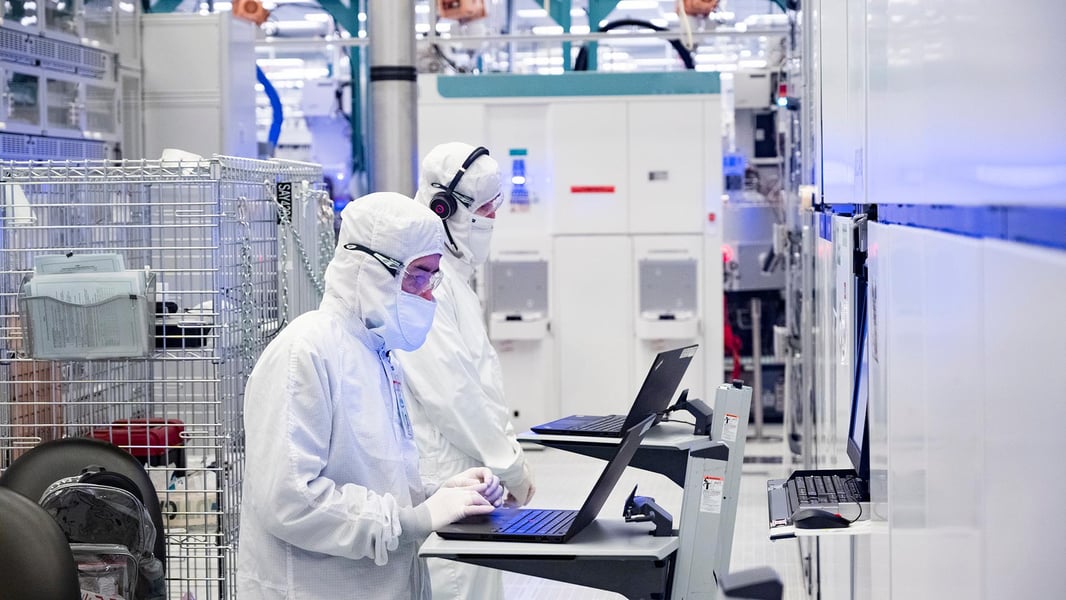
The move to 1.4nm is particularly significant because semiconductor advancements become increasingly difficult and expensive as transistors shrink. Every generation requires substantial engineering breakthroughs, new manufacturing equipment, and billions of dollars in capital investment.
TSMC’s A14 Process Could Redefine Smartphone Performance
TSMC refers to its upcoming 1.4nm manufacturing technology as the A14 process, not to be confused with Apple’s older A14 Bionic chip from 2020. The new A14 node is expected to become one of the most advanced commercial semiconductor technologies ever produced.
Early projections suggest the process could deliver up to 15% higher performance while reducing power consumption by as much as 30% compared to current 2nm technology. These gains are expected to come from denser Gate-All-Around transistor designs and further improvements in transistor efficiency.
For consumers, those advancements could translate into faster app performance, significantly improved AI processing, enhanced gaming capabilities, longer battery life, and more sophisticated on-device machine learning features.
Apple has increasingly positioned artificial intelligence as a central component of future iPhone experiences. By 2028, the computational demands of AI-powered personal assistants, image generation, real-time translation, and advanced camera systems are expected to be substantially higher than today. The A22 Pro could provide the silicon foundation needed to support those ambitions and unlock even greater AI processing capabilities.
The Cost of Innovation Keeps Rising
The transition to 1.4nm manufacturing will not come cheaply.
Industry estimates indicate that each wafer produced using TSMC’s next-generation process could cost roughly $45,000, highlighting the extraordinary expense associated with advanced semiconductor fabrication. Rising production costs continue to be one of the biggest challenges facing the chip sector as companies push toward ever-smaller process nodes.
Those costs may ultimately influence Apple’s product strategy. Some analysts believe the company could reserve the 1.4nm process exclusively for premium iPhone models while standard iPhone variants continue using more mature manufacturing nodes.
Such a strategy would mirror Apple’s current approach, where premium devices receive the most advanced silicon first while broader adoption follows later generations.
Intel Emerges as a Supply Chain Wildcard
Although TSMC remains the clear leader in advanced chip manufacturing, Intel’s push into the foundry business has created new possibilities for major technology companies seeking manufacturing diversification.
For years, Apple has relied heavily on TSMC for both iPhone and Mac processors. However, geopolitical concerns, rising costs, and growing demand for advanced chips have prompted the broader technology industry to evaluate alternative manufacturing options.
Intel’s foundry roadmap, particularly its advanced 18A and future 14A process technologies, has attracted increasing attention from industry observers. While there is no indication that Apple plans to shift production of its flagship A-series processors away from TSMC, Intel’s expanding capabilities could eventually make it a strategic partner for certain components or future manufacturing projects.
That possibility is especially important as governments in the United States and Europe continue investing heavily in advanced chip manufacturing to reduce dependence on overseas supply chains.
Why the A22 Pro Matters
The A22 Pro represents more than just another annual smartphone processor upgrade. It offers a glimpse into Apple’s long-term vision for silicon development and highlights the company’s determination to maintain its technological advantage in mobile computing.
Apple’s chip strategy has become one of its strongest competitive weapons over the past decade. By controlling both hardware and software, the company has consistently delivered performance gains that competitors often struggle to match.
If the A22 Pro launches on TSMC’s 1.4nm process in 2028, Apple could once again extend its lead in smartphone performance, energy efficiency, and AI processing capabilities.
The development also comes as the global semiconductor industry races toward increasingly advanced nodes, with TSMC, Intel, Samsung, and emerging AI-focused chipmakers all investing billions to secure the next wave of technological leadership.
For the semiconductor industry, the chip will serve as a critical test of whether the race toward ever-smaller manufacturing nodes can continue delivering meaningful improvements despite soaring development costs.
As Apple, TSMC, and potentially Intel shape the next phase of semiconductor innovation, the battle for advanced chip leadership is only beginning. By the time the A22 Pro arrives, it may not simply define the future of the iPhone. It could help determine the future direction of the entire semiconductor industry.