The global oil market sank deeper into turmoil on Wednesday after the International Energy Agency said eight major OPEC+ producers collectively pumped 8.8 million barrels per day below their target levels in April, underscoring the scale of the energy shock rippling through the Middle East and the wider world economy.
According to the IEA’s latest monthly assessment, oil production from Russia, Saudi Arabia, Iraq, Kuwait, Kazakhstan, Algeria, Oman, and the United Arab Emirates fell sharply to 23.88 million barrels per day in April, down from 24.76 million barrels per day in March. The agency said the group’s actual output stood dramatically below its effective quota target of 32.72 million barrels per day.
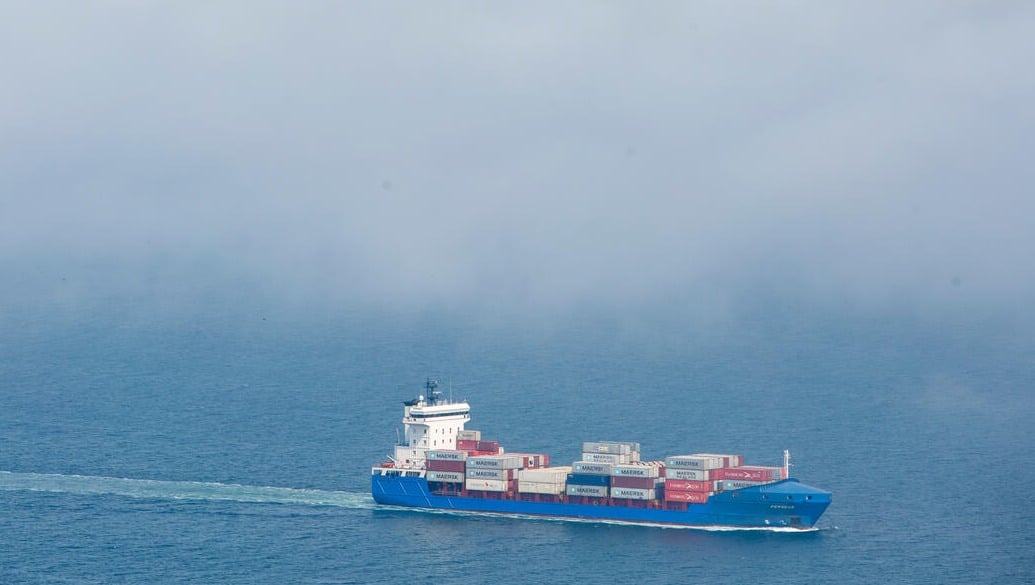
The collapse in production reflects the worsening impact of the Strait of Hormuz crisis, the world’s most strategically vital oil shipping chokepoint, where escalating military tensions and shipping restrictions have paralyzed energy flows across the Gulf.
“OPEC+ crude supply declined by 830 kb/d in April to 34.1 mb/d as OPEC Gulf production fell a further 900 kb/d month-on-month with the continued closure of the Strait of Hormuz necessitating additional curtailments,” the IEA said in its report.
The figures also mark one of the deepest production shortfalls in modern OPEC+ history outside the COVID-19 era, highlighting how geopolitical conflict is now overriding traditional market management strategies once used by the alliance to stabilize oil prices.
The April numbers included production data from the UAE, which officially exited OPEC and OPEC+ on May 1 after years of tensions over quotas and strategic direction. Despite leaving the alliance, Abu Dhabi’s output remained incorporated into April calculations because the withdrawal took effect only at the beginning of May.
The IEA’s report arrives as oil markets face what analysts increasingly describe as the largest energy supply disruption in decades. The continuing instability around Hormuz has severely restricted tanker movements and reduced export capacity across several Gulf producers, including Saudi Arabia, Iraq, and Kuwait.
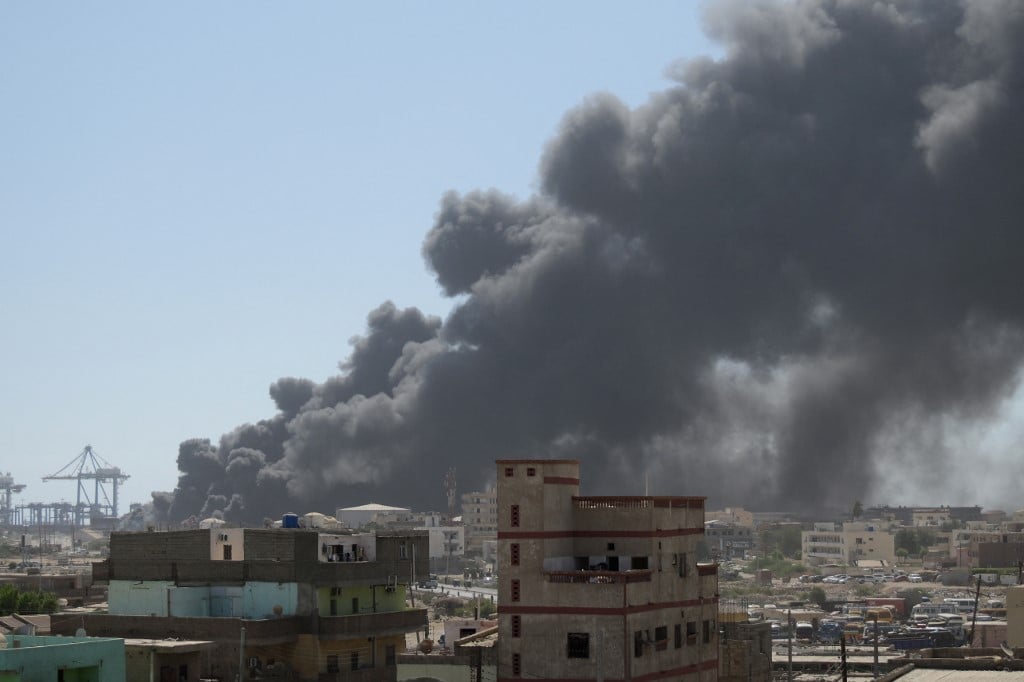
Reuters published this week showed Hormuz export disruption pushed OPEC crude production to its lowest level in more than two decades in April, with Gulf states suffering heavy export losses linked to the ongoing regional conflict.
The Strait of Hormuz normally handles roughly one-fifth of globally traded oil. Even temporary interruptions to shipping traffic have historically triggered market panic, but the current crisis has evolved into a sustained structural disruption with far-reaching economic implications.
The IEA warned that the widening supply deficit is rapidly transforming the global oil markets. Only a month ago, the agency had projected a modest oil surplus for 2026. It now expects world oil supply to fall 1.78 million barrels per day below demand this year because of the worsening conflict and prolonged restrictions across Gulf export routes.
That reversal has sent shockwaves through energy markets.
Brent crude prices surged above $107 per barrel in recent trading, while benchmark US crude climbed beyond $102 amid fears that the disruption could continue into the second half of the year.
The sharp production losses also expose the growing limits of OPEC+ influence over the oil market. Although the alliance formally agreed to modest OPEC+ output hikes earlier this month, many member states remain physically unable to raise exports because of logistical bottlenecks, infrastructure damage, maritime insecurity, and blocked tanker routes.
Saudi Arabia and Russia, the two dominant powers inside OPEC+, have repeatedly emphasized the need for “market stability,” but the current environment increasingly reflects emergency crisis management rather than coordinated production strategy.
Energy analysts say the alliance now faces a paradox: officially higher production targets combined with real-world production collapses.
The crisis has also intensified concerns about inflation, fuel shortages, and economic slowdown across energy-importing nations. Asian economies remain particularly vulnerable because China, India, Japan, and South Korea depend heavily on Gulf oil shipments moving through Hormuz.
The IEA has already released strategic petroleum reserves to calm markets, while warning that further emergency interventions may become necessary if supply disruptions continue. Fatih Birol, the agency’s executive director, recently described the situation as one of the gravest energy security threats in modern history.
Meanwhile, governments and shipping companies are scrambling to find alternative export routes. The UAE has managed to preserve some export capability through pipelines bypassing Hormuz, giving Abu Dhabi a relative advantage compared to neighboring Gulf producers that remain heavily dependent on the narrow maritime corridor.
Still, alternative infrastructure remains insufficient to compensate for the massive volume of crude normally transported through the strait.
The continuing production shortfall has also complicated broader OPEC+ politics. Several member states had already struggled to meet quotas before the latest conflict due to underinvestment, declining capacity, sanctions, and operational problems. The new disruptions have amplified those weaknesses, pushing actual output dramatically below official targets.
For global markets, the implications extend beyond oil alone.
Higher crude prices are already feeding into transport costs, manufacturing expenses, airline fuel prices, and consumer inflation across multiple regions. Financial markets have become increasingly sensitive to developments in the Middle East, with traders reacting sharply to every indication of escalation or possible ceasefire negotiations.
The broader concern inside energy markets is that the current disruption may no longer be temporary.
Industry forecasts increasingly suggest that even if military tensions ease, restoring full export flows through Hormuz could take months because of damaged infrastructure, elevated insurance costs, maritime security risks, and depleted inventories.
The IEA now expects global oil inventories to shrink sharply throughout 2026, reversing previous expectations of comfortable supply growth.
That outlook is likely to keep upward pressure on prices while deepening uncertainty across the world economy.
As OPEC+ producers struggle to restore lost barrels and geopolitical tensions continue to dominate market dynamics, the global oil market disruption that began as a regional security crisis is rapidly evolving into a broader economic confrontation with worldwide consequences.
—Inputs from Sputnik.