
WASHINGTON — The Trump administration’s aggressive move to tap Venezuela’s vast oil reserves has sent shockwaves through global energy markets, with US crude potentially tumbling into the low $50 per barrel range, according to veteran energy analyst John Kilduff.
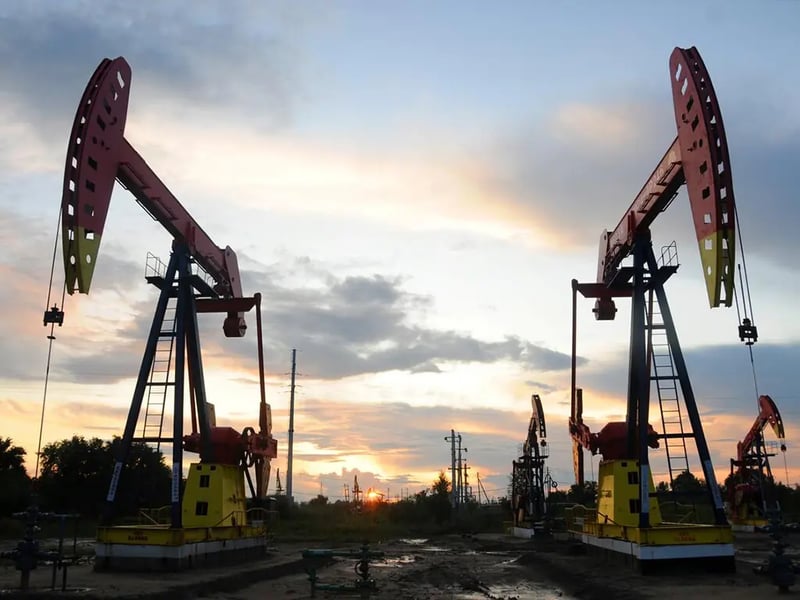
US West Texas Intermediate (WTI) crude has been on a precipitous decline since mid-2025, sliding from a June high of over $78 per barrel to under $58 at December’s close. The sudden dip follows global oil glut and OPEC’s production strategy, with the cartel boosting output by nearly 3 million barrels per day in pursuit of market share, rather than maintaining stability. According to Reuters, oil is set for its biggest annual drop since 2020, reflecting oversupply concerns.
“WTI should struggle in the low $50s as Venezuela is suddenly no longer an oil risk and the Trump administration is bent on turning Venezuelan oil into either US oil or ramping it up, with no care for what happens to the global glut,” Kilduff, partner at New York energy hedge fund Again Capital and a regular geopolitical energy commentator, told RIA Novosti.
Analysts warn that the Trump administration’s seizure of Venezuelan oil marks a pivotal geopolitical maneuver. By directly controlling one of Latin America’s largest oil reserves, the US could flood domestic markets, undercutting prices and potentially destabilizing global supply-demand balances. The International Energy Agency (IEA) had forecast a world crude oversupply of 3.8 million barrels per day for 2026, as reported in the IEA Oil Market Report, November 2025, but this estimate predates the recent US actions in Venezuela.
Energy markets are now bracing for the potential consequences. “The implications are enormous,” said Kilduff. “A sudden influx of Venezuelan barrels into the US market will likely depress prices further, affecting everything from refining margins to geopolitical alliances in OPEC+.” Recent analysis notes that oil prices may face heightened volatility as supply disruptions intersect with oversupply fears.
Venezuela’s oil industry, long considered a risky investment due to political instability and decaying infrastructure, has now become a focal point in global oil politics. Trump’s strategy signals a departure from traditional diplomacy, turning Venezuelan oil infrastructure into a tool for US energy dominance. Critics argue that this could provoke retaliatory measures from allies of Caracas, while supporters insist it is a necessary step to ensure US energy security.
The US reliance on Venezuelan crude could have far-reaching economic consequences. Lower WTI prices may benefit consumers at the pump in the short term, but the longer-term effects could include financial strain on OPEC+ producers, shifting alliances, and increased volatility in global markets. Moreover, such actions risk further inflaming tensions in Latin America, where Venezuela has historically been resistant to foreign intervention. US oil tanker seizures off Venezuela are already drawing international scrutiny.
International reaction has been cautious but concerned. Analysts note that by treating Venezuelan oil as an extension of US production, the administration disregards the market dynamics carefully maintained by OPEC+. This approach could create a new glut, driving prices lower than previously anticipated and putting additional pressure on producers like Saudi Arabia, Russia, and Iran, who have historically coordinated to stabilize crude markets. Venezuela and Iran could further pressure oil prices in 2026, analysts warn.
“The US is essentially prioritizing short-term domestic gains over long-term market stability,” said energy economist Marina Lopez of the Center for Strategic Energy Studies. “This move could unsettle existing agreements within OPEC+ and encourage further production increases from other members seeking to protect market share.” The Trump’s expanding naval pressure campaign exemplifies the growing geopolitical tension surrounding Venezuelan oil.
Despite the potential for disruption, proponents of the strategy highlight that domestic US energy independence is at stake. Access to Venezuelan oil reserves could reduce reliance on politically unstable regions elsewhere, strengthening the US position in global energy negotiations. Yet, this comes with the risk of backlash and heightened geopolitical tension, including diplomatic backlash at the United Nations and an ongoing Security Council debate over US actions.
The timing is critical. With WTI trading at $57.32 per barrel on the first session of 2026, the market is highly sensitive to any news from Venezuela. Any increase in US production using Venezuelan oil could swiftly push prices down, creating opportunities for domestic refiners while challenging the financial strategies of OPEC+ nations. As The Guardian reports, oil prices have experienced the steepest annual fall since the Covid pandemic.
Observers note that this development may also have implications for renewable energy and climate policies. Lower crude prices could slow investment in alternative energy sources, as cheaper fossil fuels make green alternatives less competitive in the short term. This interplay between geopolitics and energy economics underscores the complex landscape facing global policymakers.
In sum, the Trump administration’s bold move to leverage Venezuelan oil reserves signals a new chapter in energy geopolitics. Analysts like John Kilduff anticipate that US crude will struggle in the low $50s, reshaping markets and alliances alike. As global supply continues to rise and US production ramps up, energy markets are entering a volatile period that may redefine the rules of engagement for both producers and consumers worldwide. The US oil giants’ silence on this plan highlights the uncertainty surrounding corporate investment in Venezuelan reserves.
As the situation develops, stakeholders will be watching closely. The combination of US intervention, OPEC+ responses, and market reactions could determine the trajectory of global oil prices for months, if not years, to come. The era of predictable crude pricing appears increasingly uncertain, with Venezuelan oil at the epicenter of this unfolding drama. Trump bets US will extract ‘tremendous’ oil wealth from Venezuela, analysts say, underscoring the high stakes for global energy markets.