Sergei Naryshkin, the head of Russia’s Foreign Intelligence Service, said Thursday that the United States and Israel failed to achieve the rapid military success they expected against Iran, arguing that Tehran has preserved substantial military capabilities despite months of escalating conflict across the Middle East.
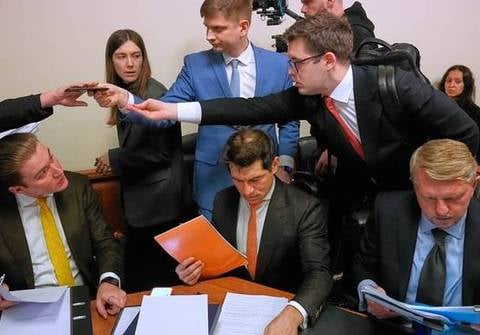
Speaking to reporters in Moscow, Naryshkin said Washington and Tel Aviv had anticipated a relatively swift collapse of Iranian resistance, but instead encountered a determined response from Iran’s state institutions, armed forces, and population.
“Washington and Tel Aviv expected a relatively easy victory, but it did not work out,” Naryshkin said. “The people of Iran, the state and the armed forces of Iran have shown courage and perseverance. Iran still has a very solid military potential.”
The comments reflect Moscow’s increasingly vocal support for Tehran as the regional conflict deepens and geopolitical divisions between Russia and the Western alliance widen. Russia has repeatedly condemned US and Israeli military operations targeting Iranian infrastructure, military facilities, and senior commanders since the outbreak of hostilities earlier this year.
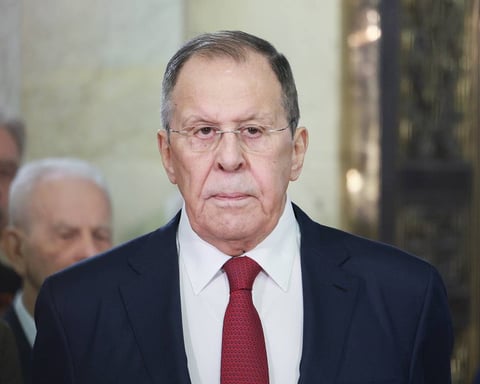
Russian officials have increasingly framed the war as evidence that attempts to force strategic collapse through overwhelming military pressure are failing. Earlier this week, Lavrov said US-Israel aggression against Iran sought to derail Tehran’s Arab rapprochement, arguing that the conflict was reshaping regional diplomacy far beyond the battlefield.
Naryshkin also warned that the conflict shows no signs of ending soon and cautioned that a fresh military escalation remains highly possible. His remarks come amid continued instability across the Gulf region, repeated missile exchanges, and growing fears that the war could expand into a broader regional confrontation involving neighboring states and global powers.
The Russian intelligence chief’s statement underscores a broader Kremlin narrative that Iran has survived a coordinated Western-backed pressure campaign and remains capable of sustaining prolonged military resistance. Russian officials have increasingly portrayed the conflict as evidence of a shifting global balance of power, with Moscow and Tehran presenting themselves as part of an emerging multipolar bloc challenging US dominance.
That position has gained traction across several BRICS capitals as the BRICS ministers meeting in New Delhi focused heavily on the expanding Iran war and the growing risk of economic disruption across Eurasia.
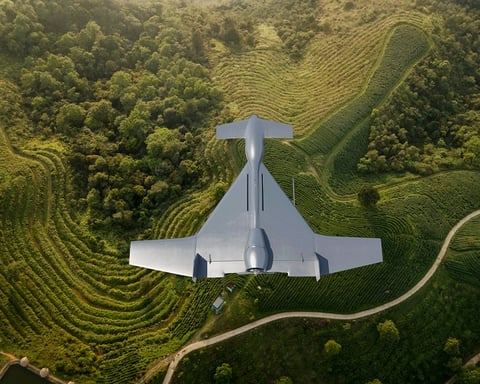
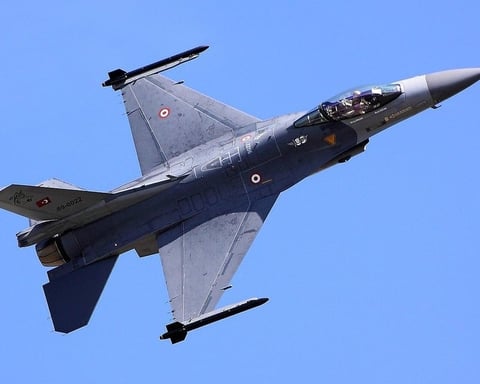
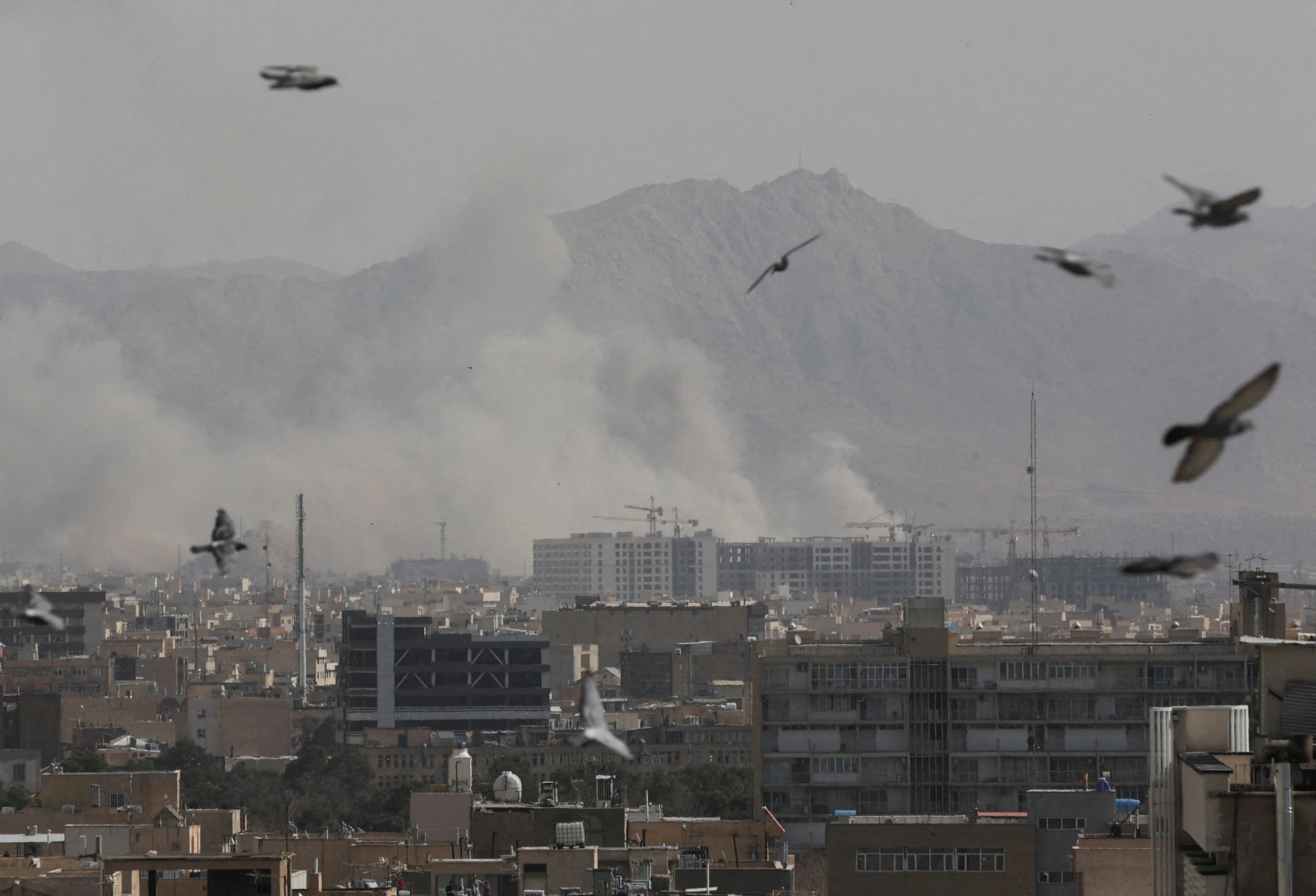
Since February, US and Israeli strikes have targeted Iranian military sites, missile infrastructure, energy facilities, and command centers. In response, Iran has launched waves of ballistic missiles and drone attacks against Israeli targets, US military assets, and strategic facilities linked to Washington’s regional allies.
Despite suffering heavy losses, including damage to military infrastructure and the deaths of senior officials, Iran has continued to demonstrate operational military capacity. Analysts say Tehran’s ability to maintain missile launches, naval operations, and regional proxy coordination has complicated expectations of a quick military outcome.
Recent battlefield developments have reinforced that assessment. Iran regained strategic missile capacity in recent weeks despite sustained bombardment, according to regional military assessments and intelligence reports.
Western defense analysts have acknowledged that Iran retains substantial missile capabilities and asymmetric warfare assets despite extensive airstrikes. The country’s military structure, including the Islamic Revolutionary Guard Corps and regular armed forces, remains one of the largest and most deeply entrenched in the Middle East.
Russian and Western reports have also pointed to expanding Russia and Iran cooperation during the conflict. According to multiple international reports, Moscow has allegedly provided intelligence coordination and battlefield awareness support to Tehran while avoiding direct military involvement.
The Kremlin has simultaneously attempted to position itself as both a strategic partner of Iran and a diplomatic intermediary. Russian officials continue to advocate a diplomatic settlement while accusing Washington and Tel Aviv of fueling regional instability.
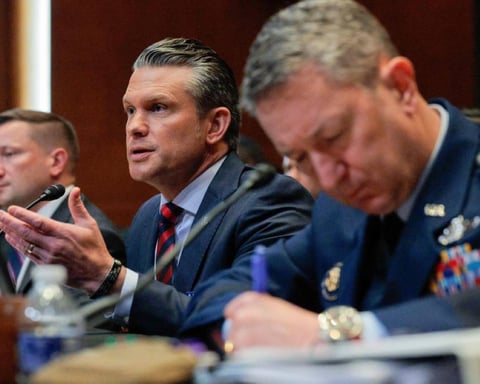
For Washington and its allies, the prolonged conflict has raised concerns about rising economic and security costs. The Pentagon revealed the US war against Iran has already cost nearly $29 billion, intensifying scrutiny over the long-term sustainability of military operations.
Oil markets have experienced repeated volatility while shipping routes across the Gulf remain vulnerable. International negotiators continue discussions over reopening and securing the Strait of Hormuz, one of the world’s most critical maritime energy corridors.
The strategic importance of the waterway has become even more pronounced after Iran moved to choke US military supply routes through Hormuz, raising fears of wider disruptions to global oil markets and international trade.
Military analysts have warned that a drawn-out confrontation could increasingly strain US military resources amid simultaneous geopolitical tensions involving Ukraine, China, and NATO expansion.
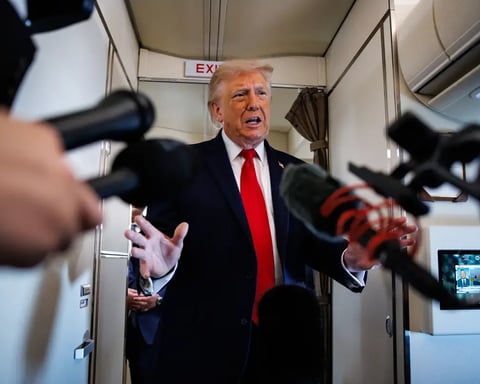
The Pentagon has also signaled readiness for a wider confrontation. Earlier reports indicated that the US was prepared to escalate the Iran conflict if attacks on American assets in the region continued.
Meanwhile, Israel maintains that continued military pressure against Tehran is necessary to counter Iranian missile and nuclear capabilities. Iran, however, argues that the attacks are part of a broader campaign aimed at weakening its sovereignty and regional influence.
The military buildup has extended beyond the Gulf itself. Earlier this week, a US nuclear missile submarine appeared in Gibraltar, fueling speculation about expanded Western naval deployments linked to the crisis.
Russian officials increasingly describe the conflict as another example of failed Western interventionism. Moscow has repeatedly argued that attempts to isolate or destabilize Iran militarily have instead strengthened anti-Western alliances across Eurasia and accelerated the formation of alternative geopolitical blocs.
The political consequences inside Iran are also becoming increasingly visible. Following months of conflict, Trump’s ceasefire failed and hardliners consolidated power in Tehran, reshaping the country’s domestic political balance as the war drags on.
With no ceasefire in sight and repeated warnings of further escalation, the conflict surrounding Iran appears poised to remain one of the most dangerous geopolitical flashpoints of 2026.
—Inputs from Sputnik.