
Fresh intelligence assessments indicating that Iran has retained much of its strategic missile capability are reshaping geopolitical calculations across the Middle East, while growing concerns inside Israel suggest a widening divide with Washington over the future of negotiations with Tehran.
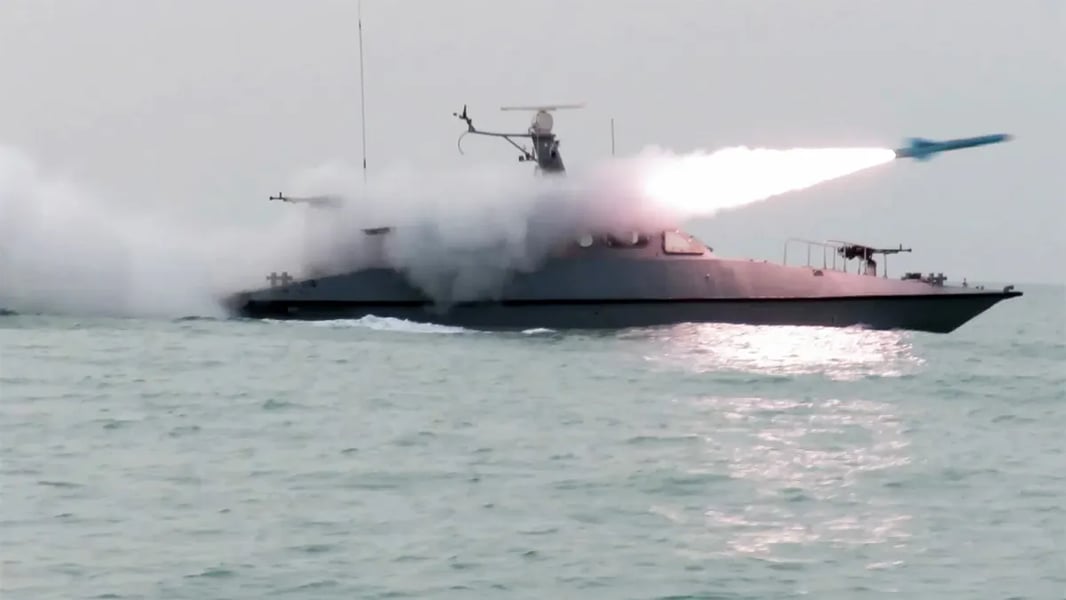
According to US intelligence assessment on Iran missile resilience, Tehran has preserved nearly 70 percent of its missile infrastructure despite months of military confrontation and sanctions pressure. Separate reporting on Iran retaining most missile launch capabilities indicates that the country has regained operational access to 30 of its 33 missile launch sites near the strategically vital Strait of Hormuz, one of the world’s most important energy corridors.
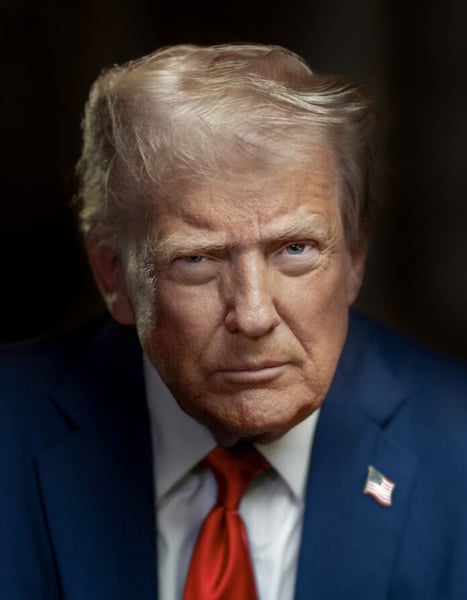
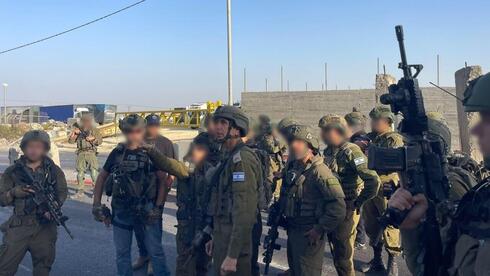
The developments have triggered renewed alarm in Israel, where officials increasingly fear that President Donald Trump may pursue a broader political understanding with Iran that leaves several Israeli security concerns unresolved.
Reports from US and regional media suggest Israeli officials believe Washington could prioritize regional stability and maritime security over long-standing Israeli demands regarding Iran’s ballistic missile program and regional influence network.
The renewed debate comes at a particularly sensitive moment for the region. Strait of Hormuz tensions have intensified in recent months following military exchanges involving the US, Iran, and regional actors, alongside disruptions to Gulf shipping tensions intensifying and energy markets.
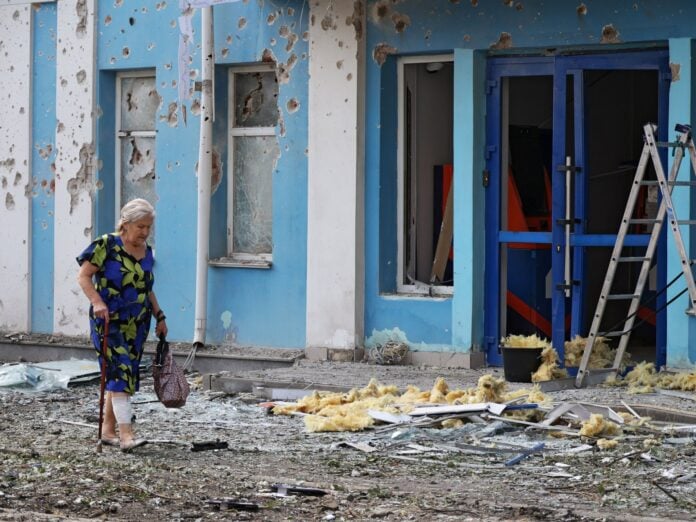
Western intelligence officials now reportedly acknowledge that Iran’s military infrastructure proved more resilient than publicly anticipated. Despite extensive airstrikes targeting launch depots, manufacturing centers, and military facilities earlier this year, Tehran appears to have rebuilt parts of its missile network at a faster pace than expected, according to a report on Iran rebuilding launch infrastructure near Hormuz.
The recovery of missile launch capacity near the Strait of Hormuz is particularly significant because the narrow maritime passage handles a substantial portion of global oil shipments. Any renewed confrontation in the area could immediately impact global energy prices, shipping insurance costs, and broader financial markets.
European governments are increasingly treating the situation as a direct threat to international trade stability. French President Emmanuel Macron announced that Paris would present a framework at the United Nations aimed at securing navigation routes through the Gulf region.
The French initiative is expected to focus on commercial vessel protection, naval patrol coordination, and a broader France maritime security framework designed to prevent accidental clashes between naval forces operating near Iranian waters.
Meanwhile, diplomatic maneuvering between Washington and Tehran continues behind the scenes.
Iranian sources quoted by regional media have stated that Tehran remains open to talks with the United States, but only if Washington accepts several core conditions linked to sanctions relief, security guarantees, and recognition of Iran’s regional interests. The position aligns with previous reporting that Tehran signaled conditional openness to US nuclear talks after months of regional confrontation.
The exact details of those conditions have not been officially disclosed, but recent diplomatic reporting on Iran conditions future negotiations with Washington suggests Tehran is demanding limitations on future military pressure campaigns and broader acknowledgment of its strategic position in the Gulf.
Inside Israel, however, skepticism toward renewed diplomacy with Tehran remains extremely high.
Israeli officials reportedly fear that any agreement negotiated by the Trump administration could focus heavily on reducing immediate military tensions while postponing more contentious issues such as ballistic missile restrictions, uranium enrichment controls, and Iranian regional alliances.
Those concerns have deepened amid reports that parts of the US intelligence community privately believe Iran can withstand sustained economic and military pressure for far longer than originally projected.
Recent assessments suggest Tehran has managed to preserve significant portions of its drone capabilities, missile production infrastructure, and logistical networks despite coordinated Western pressure. Analysts monitoring the crisis say the Pentagon warning that the US is ready to escalate Iran conflict has further intensified fears of a prolonged regional confrontation.
Some analysts argue that these developments expose the limits of military-first strategies in dealing with Iran’s regional posture.
Others believe the current situation may push Washington toward a more pragmatic diplomatic framework designed to stabilize oil markets and avoid a broader regional war during a period of economic uncertainty. The growing financial burden of the confrontation has been highlighted in coverage of the escalating Gulf conflict costs Washington billions.
President Trump has continued to publicly insist that preventing Iran from obtaining nuclear weapons remains his central objective. At the same time, he has rejected several Iranian proposals that failed to directly address Tehran’s missile and nuclear activities. Earlier reporting showed that Trump rejected Iran deal as oil prices surged amid rising instability in the Gulf.
The uncertainty surrounding Washington’s long-term intentions has created growing unease among US regional allies, particularly as military confrontations continue across multiple fronts in the Middle East. A broader analysis of the strategic importance of the Strait of Hormuz warns that further escalation could threaten global energy security and international trade routes.
Alongside the geopolitical crisis, the United States also signaled its continued focus on strategic technological competition and space operations.
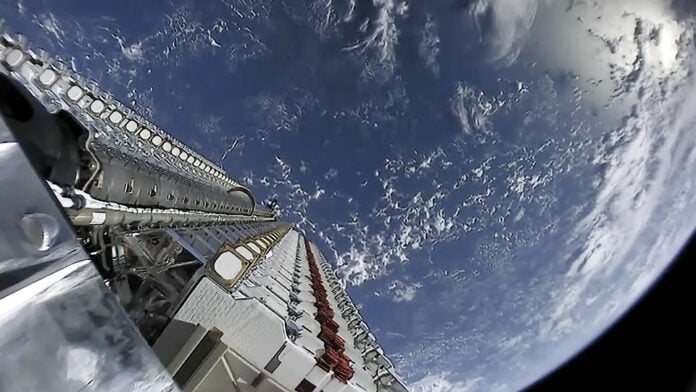
NASA and SpaceX announced a delay in the launch of the Dragon cargo spacecraft to the International Space Station due to adverse weather conditions.
SpaceX separately confirmed plans to conduct another test flight of its next-generation Starship rocket system next week, underscoring the growing role of private aerospace firms in US strategic planning and technological projection.
The simultaneous emergence of military tensions in the Gulf and major US aerospace developments reflects the increasingly interconnected nature of geopolitical competition, energy security, and technological power projection in 2026.
For now, the Middle East remains trapped between fragile diplomacy and the persistent risk of wider confrontation.
Whether Washington ultimately chooses a negotiated framework with Tehran or a renewed pressure campaign could determine not only the future balance of power in the Gulf, but also the stability of global energy markets and international shipping routes in the months ahead.
—Inputs from Sputnik.