The 2026 NBA Draft Combine in Chicago has become one of the most influential checkpoints in this year’s draft cycle, giving NBA front offices their clearest live evaluation of top prospects since the college and international seasons ended. Across scrimmages, measurements, and athletic testing, several players strengthened their draft stock while others raised new concerns heading into private workouts and interviews.
With the NBA Draft approaching in late June, the Combine has already begun to reshape how teams view the lottery landscape. The event also sits within a broader draft ecosystem influenced by shifting franchise priorities following the latest lottery outcomes, where rebuilding teams continue to reframe their long term strategies.
Morez Johnson Jr. emerges as one of the biggest winners
Michigan forward Morez Johnson Jr. was one of the strongest risers from the Combine week, impressing scouts with his mobility, defensive versatility, and physical conditioning. His ability to switch across multiple positions and impact rebounding situations has significantly improved his standing among mid first round projections.
Johnson’s rise reflects a wider league trend toward valuing multi positional defenders who can contribute immediately in rotation heavy playoff systems. His scrimmage performances in Chicago demonstrated improved timing in help defense and stronger finishing through contact, both of which have increased his appeal to teams seeking high upside role players with starter potential.
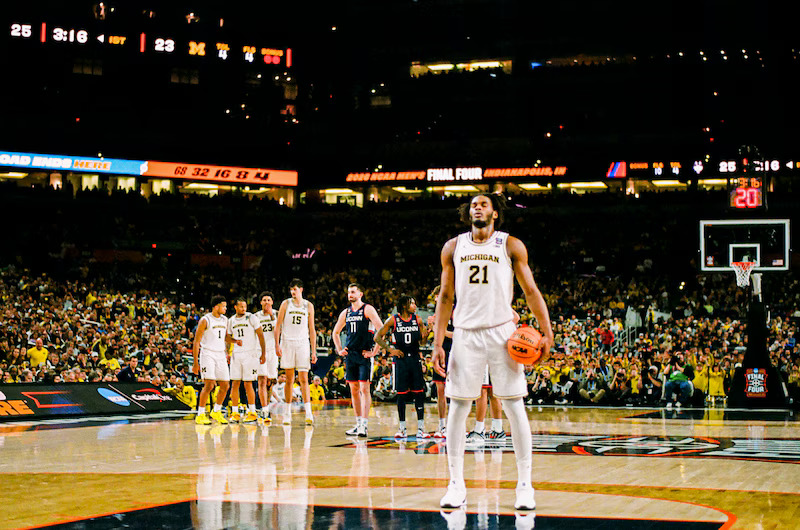
His emergence also aligns with broader draft conversations surrounding roster construction trends following the latest lottery cycle, where teams are increasingly prioritizing defensive versatility and physical readiness over long term developmental projects such as those seen in recent draft projections across the league, including coverage at NBA Draft Lottery 2026.
Cameron Boozer strengthens top pick conversation
Cameron Boozer continued to solidify his standing near the top of the draft class with a steady and efficient Combine showing. While not reliant on explosive athletic metrics, Boozer impressed evaluators with strength, balance, and advanced offensive instincts.
His ability to process defensive coverages and contribute as a secondary initiator remains a key reason he is widely projected as a potential No. 1 overall selection. Teams continue to view him as one of the safest high floor prospects in the class due to his combination of polish and positional flexibility.
A.J. Dybantsa shows elite upside with lingering shooting questions
A.J. Dybantsa remains one of the most debated prospects in the 2026 class. His physical tools continue to separate him from peers, particularly in transition scoring and defensive disruption. However, shooting consistency remains an area of concern that teams are closely monitoring during private evaluations.
Despite those questions, Dybantsa’s upside keeps him firmly in the top tier of projections. His development trajectory continues to be a central talking point in draft discussions, particularly among rebuilding franchises weighing ceiling versus readiness in high lottery selections.
His presence remains a key factor in projections tied to franchise direction shifts following the draft lottery cycle, including analysis of top tier outcomes at NBA Mock Draft analysis.
Caleb Wilson and Aday Mara strengthen lottery positioning
Caleb Wilson delivered one of the more stable Combine performances, reinforcing his reputation as a high floor forward capable of contributing on both ends of the floor. His defensive instincts and transition ability remain his strongest traits.
Aday Mara also stood out due to his size and interior presence. His physical measurements and rim protection potential continue to make him one of the most intriguing big men in the class, particularly for teams seeking long term defensive anchors.
Koa Peat struggles with shooting consistency
Koa Peat entered the Combine with significant expectations but left with mixed evaluations. While his athletic testing confirmed elite physical potential, his shooting inconsistency became a focal point for scouts during scrimmages and drills.
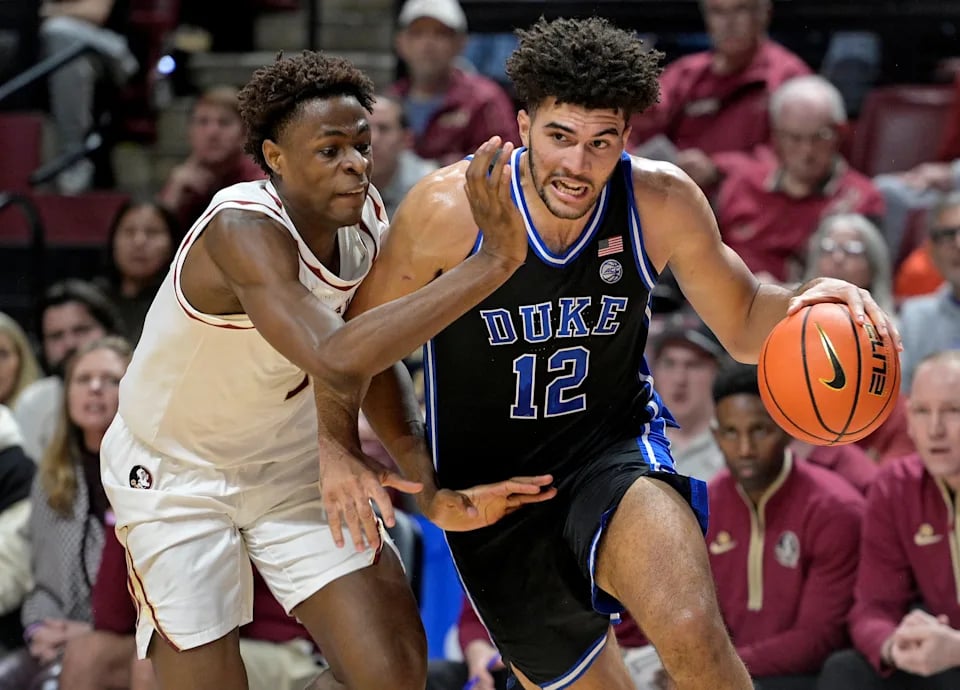
This type of volatility has become increasingly common in draft cycles shaped by aggressive roster rebuilding strategies, a trend reflected across league wide evaluations following recent lottery outcomes discussed in broader NBA draft coverage such as lottery related analysis.
Keaton Wagler and mid first round prospects face pressure
Illinois guard Keaton Wagler is among several prospects whose stock remains under evaluation after the Combine. While his shooting ability remains a strength, questions about explosiveness and defensive ceiling have created uncertainty among scouts.
This uncertainty is not isolated, as several mid first round candidates experienced similar evaluation swings depending on scrimmage matchups and athletic testing results.
Draft board becomes increasingly unpredictable
The biggest takeaway from the 2026 NBA Draft Combine is the growing unpredictability of the draft board. While the top tier of prospects remains relatively stable, the gap between lottery selections and mid first round talent continues to narrow.
Teams are increasingly prioritizing versatility, defensive upside, and physical readiness, while traditional scoring centric profiles face more scrutiny than in previous years.
As the NBA Draft approaches, front offices are now balancing long term upside with immediate roster needs, making this one of the most fluid draft cycles in recent memory. The Combine did not produce a single runaway standout, but it significantly clarified the strengths and risks across the class.