The Democratic Republic of the Congo is confronting one of its gravest public health emergencies in years as a rapidly spreading Ebola outbreak tied to the rare Bundibugyo strain has killed at least 80 people and triggered fears of wider regional contagion. The outbreak, centered in the conflict-ridden eastern province of Ituri, has already crossed borders into Uganda, exposing once again the devastating fragility of Central Africa’s healthcare systems amid chronic instability.
Congolese authorities say more than 240 suspected cases have now been identified across Bunia, Mongwalu and Rwampara health zones, where overwhelmed clinics are struggling to isolate patients, trace contacts and contain transmission chains in areas dominated by armed militias and mass displacement. The World Health Organization has confirmed that laboratory tests identified the virus as the Bundibugyo strain, a far less common variant of Ebola for which there is currently no approved vaccine.

Uganda’s health ministry confirmed Thursday that an imported Ebola case linked to the Congo outbreak had resulted in a death, intensifying alarm among East African health agencies already on edge after years of battling recurring epidemics. The patient was infected with the same Bundibugyo variant now circulating in eastern Congo.
The Africa Centres for Disease Control and Prevention has warned that porous borders, weak surveillance infrastructure and conflict-driven migration could allow the outbreak to spiral beyond Congo’s eastern frontier if containment measures fail quickly. International response teams are now rushing diagnostic kits, isolation equipment and emergency personnel into the region, though security concerns continue to hamper access to vulnerable communities.
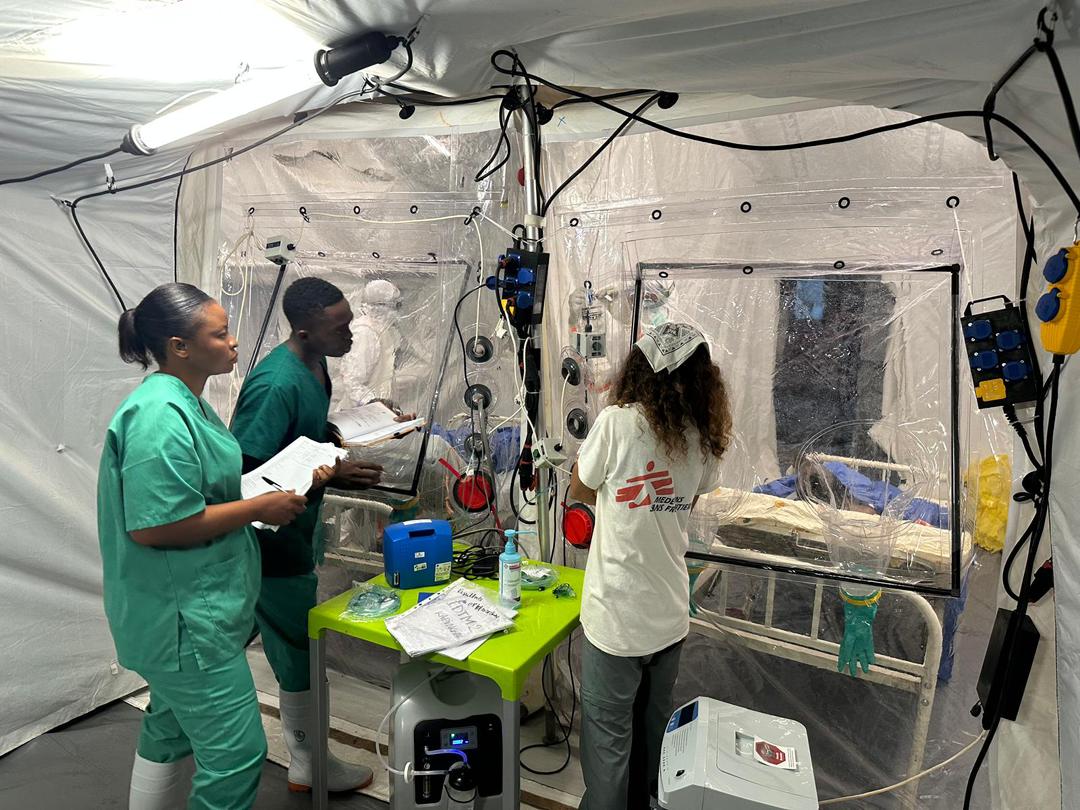
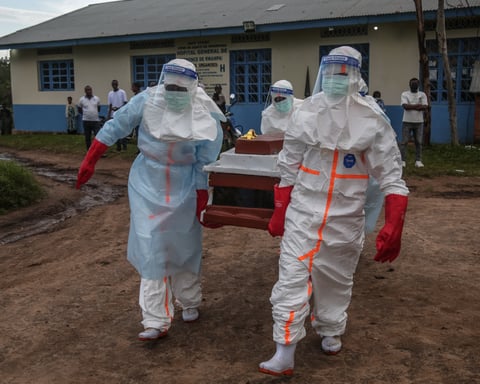
Medical workers on the ground say fear and misinformation are spreading nearly as fast as the virus itself. Some residents reportedly avoid treatment centers out of suspicion that isolation units are death traps, while others continue traditional burial rituals involving direct contact with infected bodies, one of Ebola’s most lethal transmission routes.
Unlike airborne viruses such as COVID-19, Ebola spreads primarily through direct exposure to infected bodily fluids. But once transmission accelerates inside densely populated or medically fragile communities, fatality rates can surge rapidly. Previous outbreaks have recorded mortality rates ranging from 25 percent to 90 percent depending on the viral strain and the speed of intervention.
The memories of the catastrophic West Africa Ebola epidemic, which killed more than 11,000 people across Guinea, Liberia and Sierra Leone, still haunt global health agencies. That crisis exposed how quickly localized outbreaks can evolve into international emergencies when early containment falters.
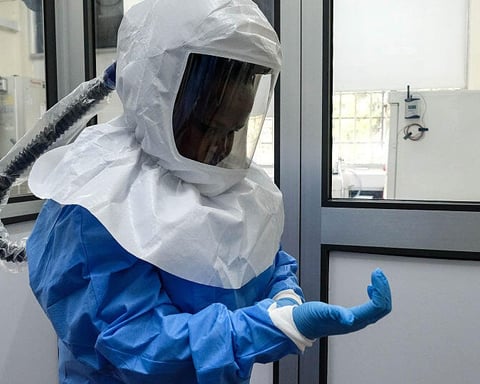
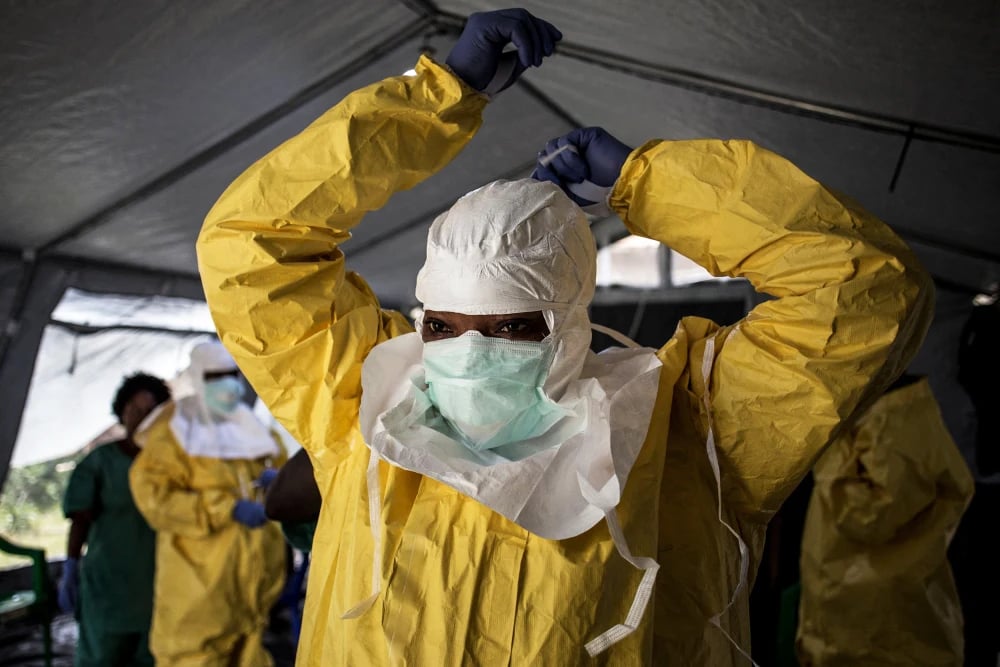
healthcare workers who survived earlier Ebola waves are now warning against complacency. Dr. Craig Spencer, the New York physician who contracted Ebola while treating patients in Guinea during the 2014 outbreak, recently emphasized that frontline medical staff remain the world’s most critical defense against viral collapse.
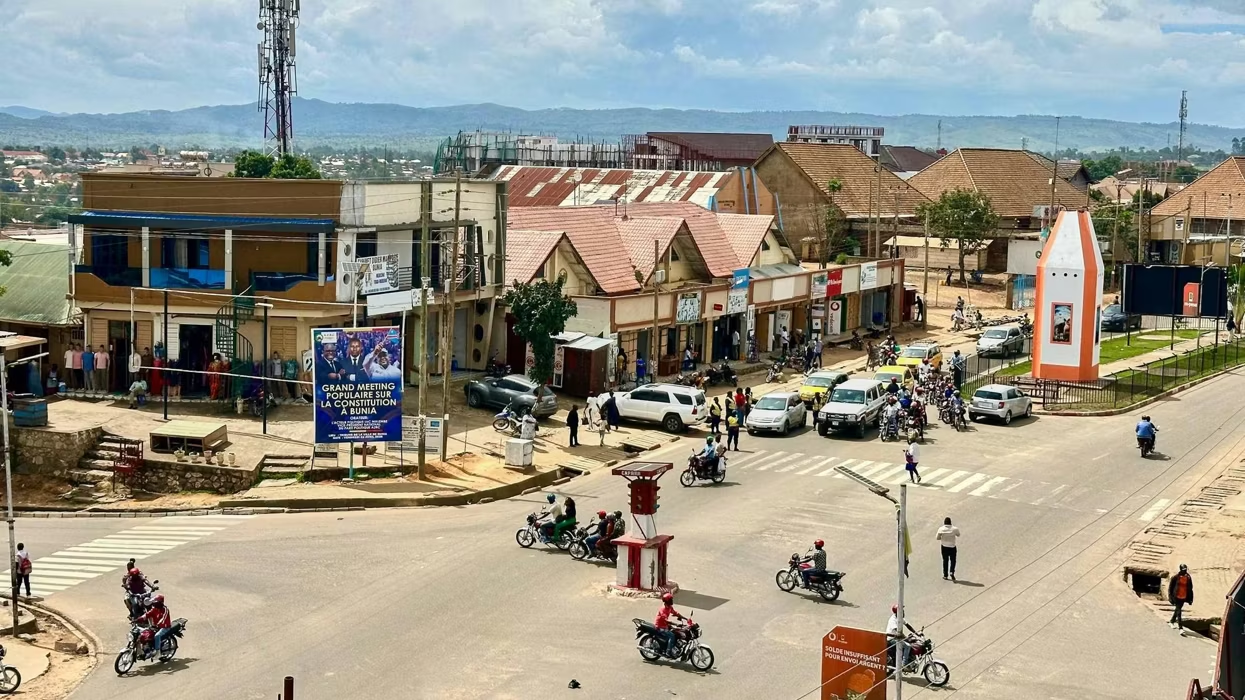
Meanwhile, residents in Bunia describe a city gripped by exhaustion rather than panic. Markets remain open, motorcycles continue weaving through crowded roads and funeral processions pass with increasing regularity. In eastern Congo, perpetual crisis has normalized even the presence of one of the world’s deadliest viruses.
The World Health Organization says emergency response operations are now expanding rapidly, including laboratory surveillance, border screening and community awareness campaigns. But officials privately acknowledge that containing Ebola inside an active conflict zone is among the most difficult scenarios in global health.
As Congo races to contain the outbreak, the resurgence of Ebola is exposing a harsh truth often ignored outside Africa: the virus never disappeared. It merely retreated into regions where poverty, instability and collapsing healthcare systems continue to create fertile ground for its return.