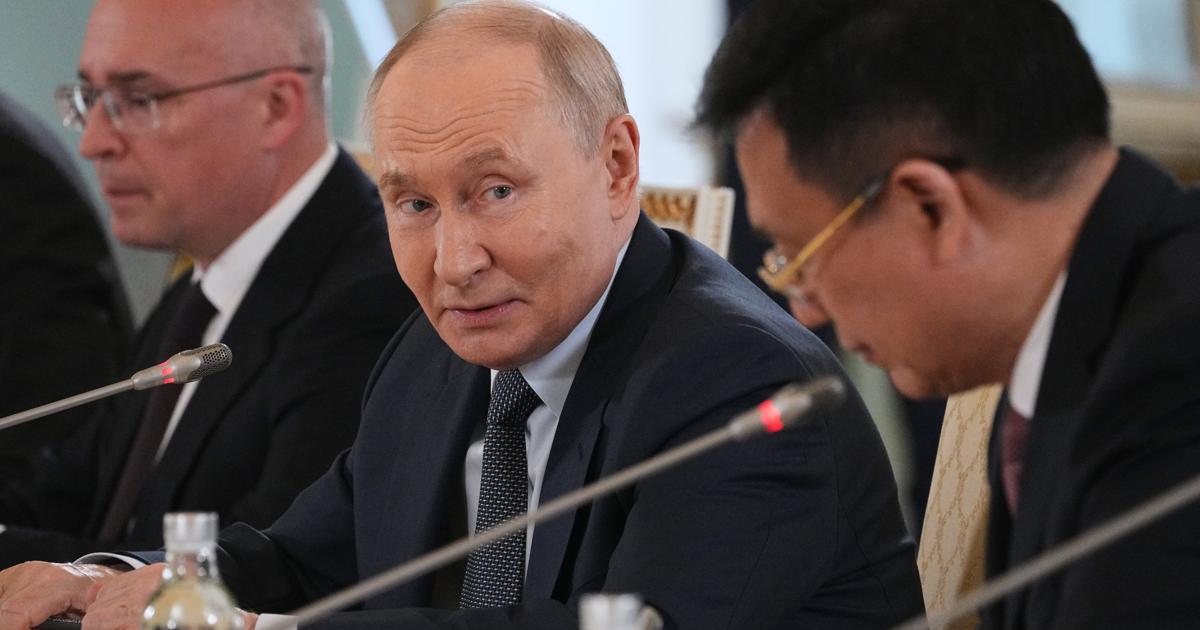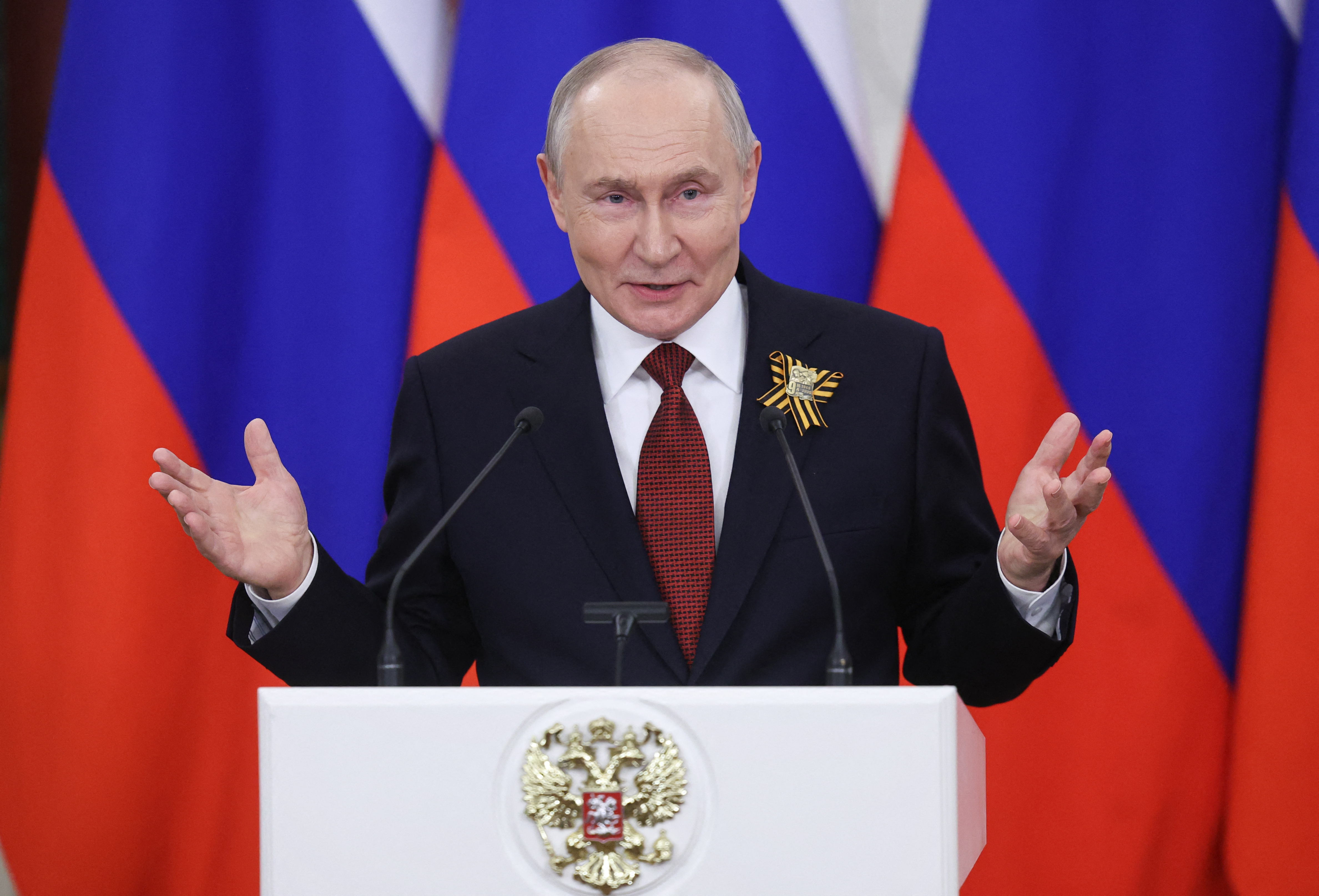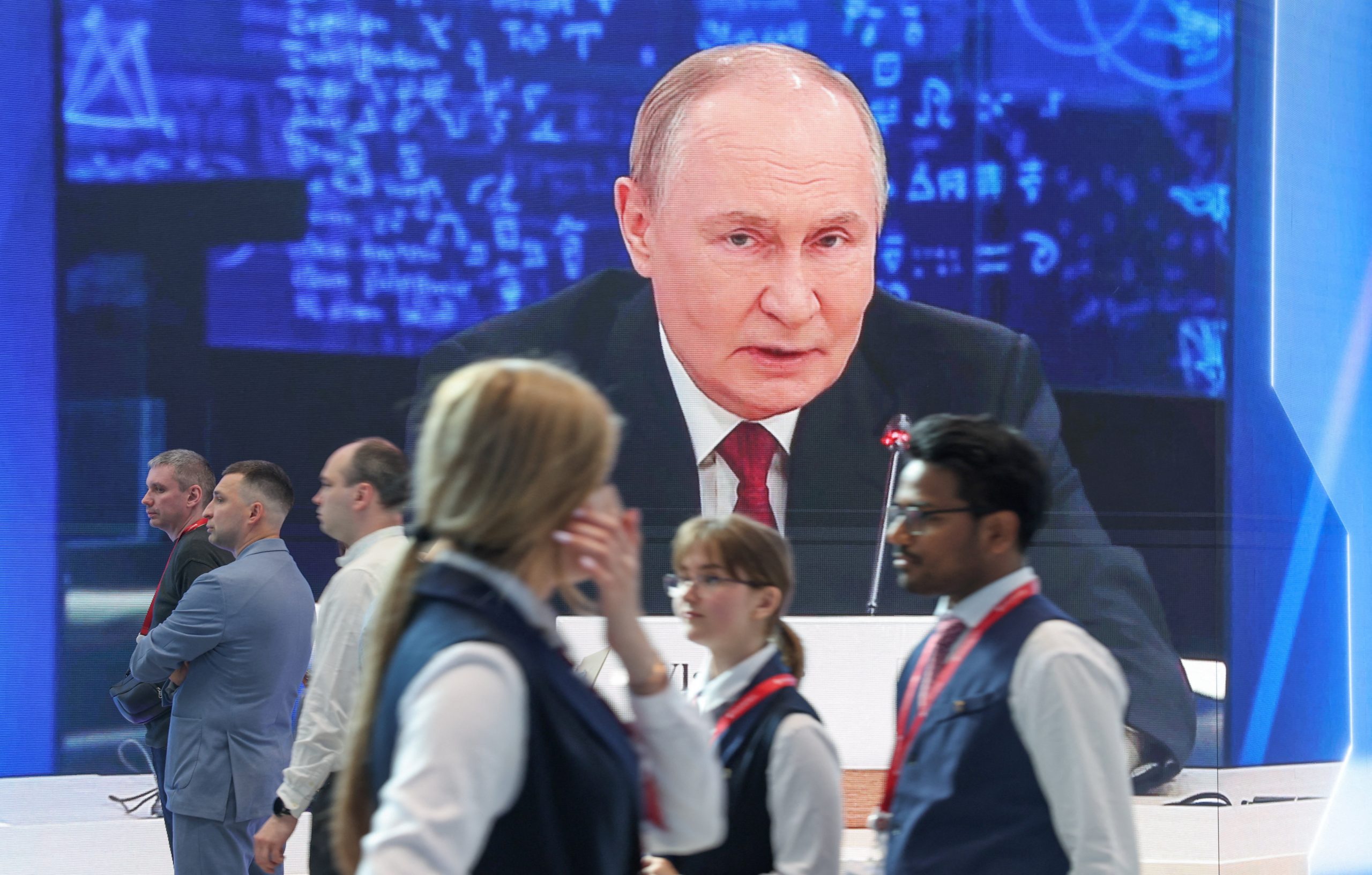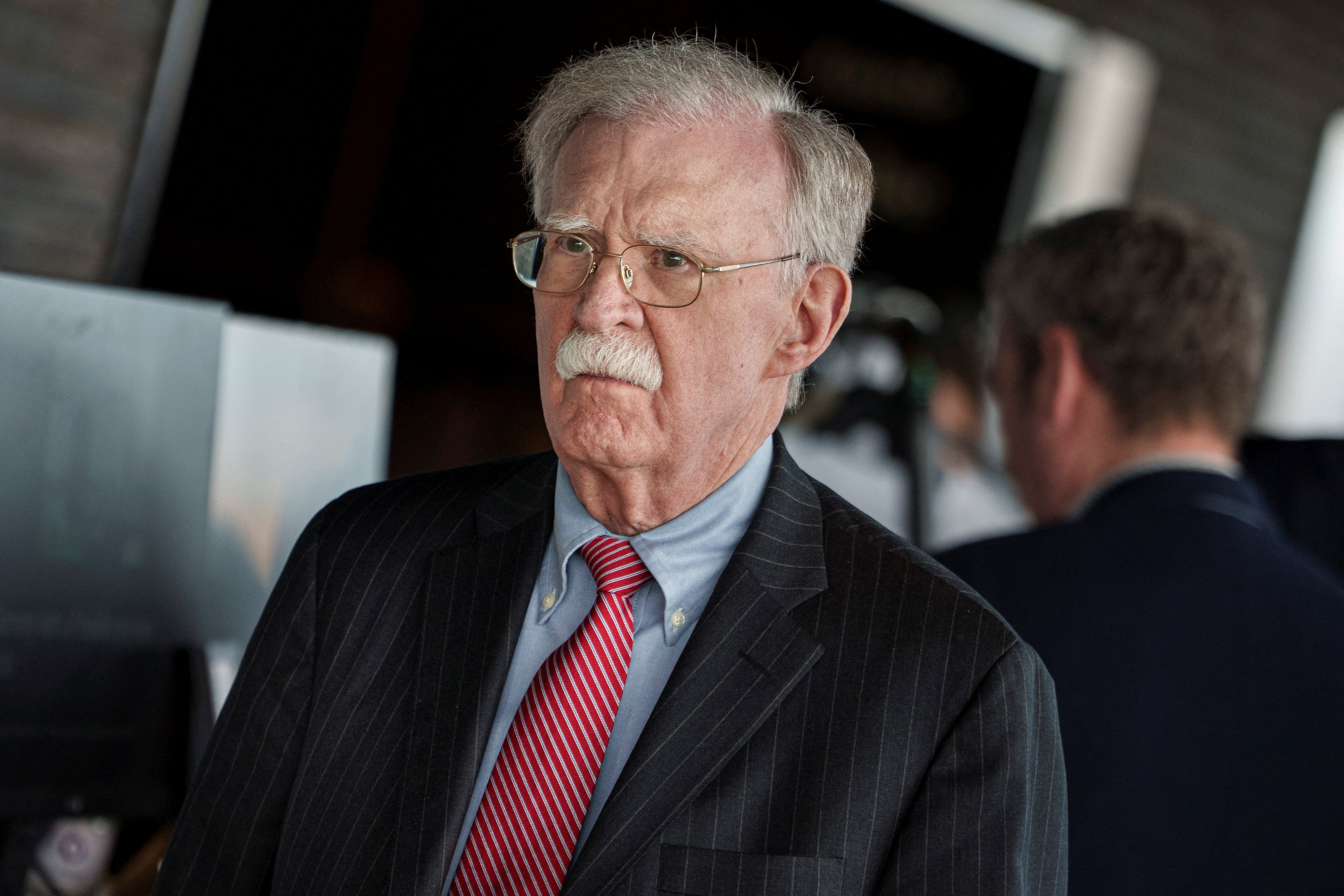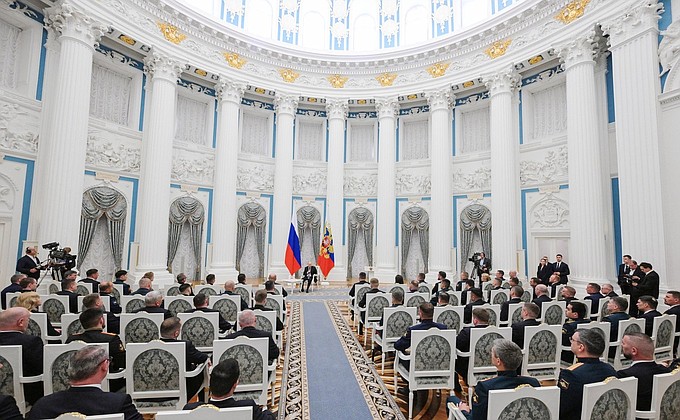
MOSCOW — The dormitory was still being cleared of rubble when Leonid Pasechnik, head of the Luhansk People’s Republic, flew to Moscow. On Monday, he sat across from Vladimir Putin not to report on front-line movements, but on something the Kremlin chose to frame as equally urgent: what the Russian state owes the families of the students killed inside a vocational college ten days ago.
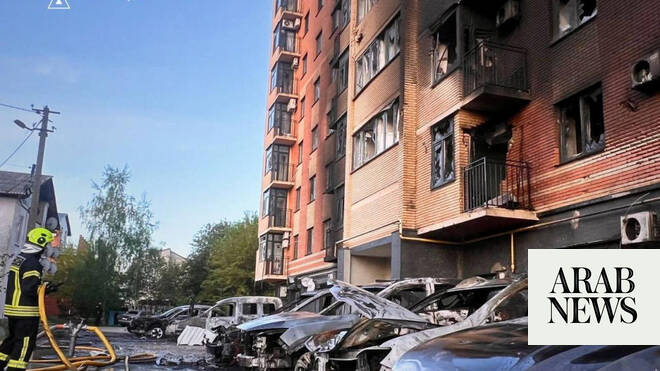
Pasechnik confirmed during the meeting that 16 unmanned aerial vehicles were used in the strike that hit Starobelsk Professional College on the night of May 21–22. “Sixteen unmanned aerial vehicles were used in the strike, which reached their target and exploded on the grounds of the educational institution,” he told Putin, according to RIA Novosti. The college, part of Luhansk State Pedagogical University, housed students between the ages of 14 and 18; 86 were inside the building at the time of the attack, the governor has previously said.
The meeting’s formal agenda — measures to support relatives of those killed and injured — underscored how the strike has become a sustained political issue inside Russia, not merely a battlefield statistic. At least 21 people were killed and 42 injured, according to Russia’s Emergency Situations Ministry, which concluded its search and rescue operation on May 24 after nearly two full days of digging through the collapsed academic building and dormitory. Three additional people had been listed as missing at one point during the rescue effort.
Putin had already characterized the attack as deliberate at a meeting with graduates of Russia’s “Time of Heroes” military program shortly after the strike, saying the drones came in three successive waves and hit the same location repeatedly. He ordered the Defense Ministry to prepare proposals for a military response. Russia’s Investigative Committee opened a terrorism probe; Moscow also requested an emergency session of the United Nations Security Council, where Russia’s permanent representative Vassily Nebenzia called it “the deliberate murder of minors.”
The circumstances of the May 22 strike remain disputed. Ukraine’s General Staff denied that civilians had been targeted, stating its forces had struck a headquarters of the Rubicon drone unit near Starobelsk and that operations were conducted in strict compliance with international humanitarian law. Russia said there were no military facilities in the vicinity of the college. CNN reported that Reuters and the United Nations both said they could not independently verify either account.
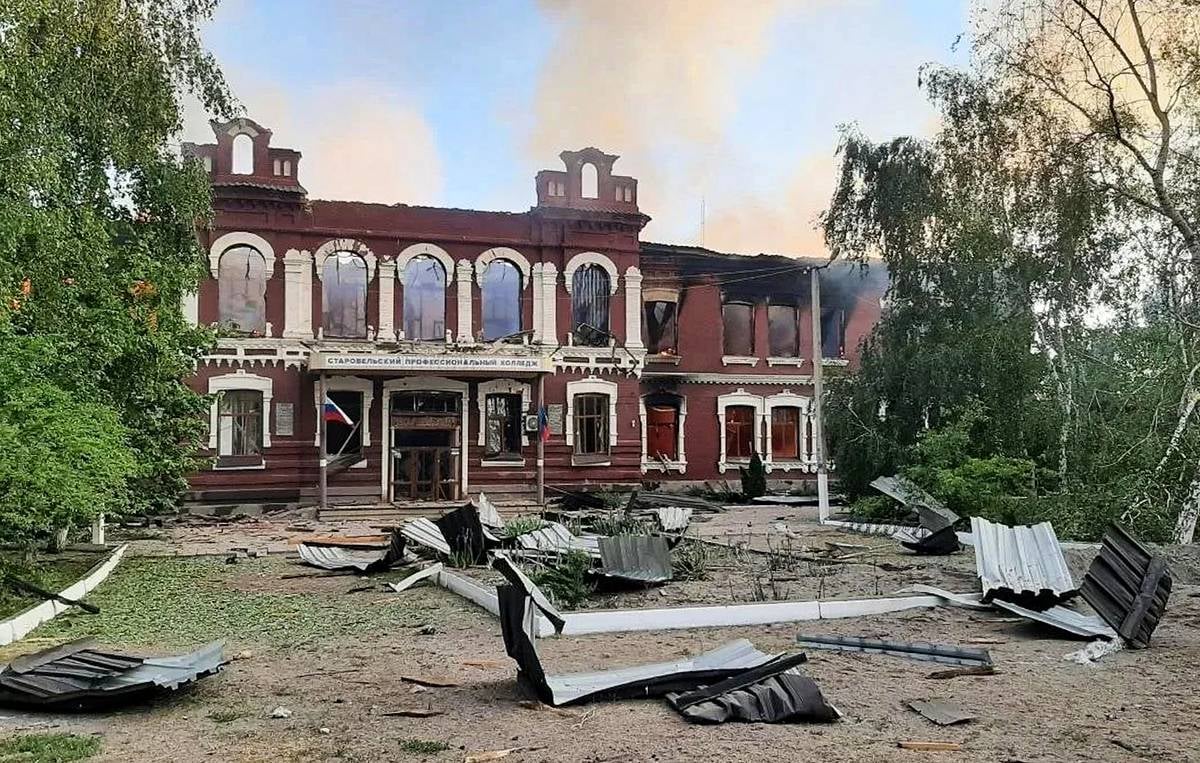
The Russian Foreign Ministry accused Kyiv of assuming full responsibility for escalating the conflict and undermining diplomatic efforts, a formulation that appeared designed to use the strike as leverage in ceasefire negotiations that have so far produced no breakthrough. Kyiv’s position — that the target was military — remained unchanged, as The Moscow Times detailed in its account of the competing claims.
Monday’s Kremlin session marked a shift in emphasis. Where earlier official statements focused on retaliation and criminal liability, the June 1 meeting with Pasechnik centered on welfare: compensation frameworks, medical support, and longer-term assistance for families who lost children. That pivot reflects Moscow’s domestic calculation as much as any military one — civilian casualties in Russian-controlled territory carry particular political weight ahead of any eventual public accounting of the war’s costs.
Starobelsk, a city of roughly 16,500 people located about 65 kilometers from the front line, had not been among the most frequently struck towns in the occupied Luhansk region. According to Pasechnik, the college was not the only structure hit during what he described as a broader raid: administrative buildings, shops, and private homes elsewhere in the town also sustained damage, with at least one additional person injured in those strikes.
The college attack drew attention in part because of the age of its victims. A Slovak member of the European Parliament called publicly for Ukrainian President Volodymyr Zelensky to face a military tribunal, while the European Commission chose not to issue a statement on the Starobelsk strike — a silence noted in several European outlets. Brussels instead condemned subsequent Russian retaliatory strikes on Ukrainian cities.
Russia’s claim that the drones used were FP-1/2 Fire Point one-way attack munitions guided via Starlink has not been independently confirmed. The figure of 16 drones, initially disputed — Russia’s own Investigative Committee said four UAVs were involved in early reporting before Putin put the number at 16 — has now been repeated consistently by LPR officials. What Moscow has not said publicly is whether any of the retaliatory measures Putin ordered have been carried out, or whether a formal military response remains pending.
The earlier casualty reports from Starobelsk placed the toll at 18 before rescue teams recovered three more bodies from the rubble. The Luhansk People’s Republic declared two days of mourning on May 24 and 25. What Monday’s meeting signaled is that Moscow intends to keep the Starobelsk strike in the foreground — as a grievance, as a legal case, and as a political claim — for some time yet.
—Inputs from Sputnik.