MOSCOW – The last Tanzanian head of state to stand in the Kremlin was Julius Nyerere, in October 1969, when Tanzania was newly sovereign and the Cold War was still a map drawn in ideology. Fifty-seven years on, President Samia Suluhu Hassan lands in Moscow on Tuesday carrying an agenda that would have been familiar to Nyerere in its ambition, if not its architecture: trade corridors, energy deals, and a summit that Russia needs her to attend.
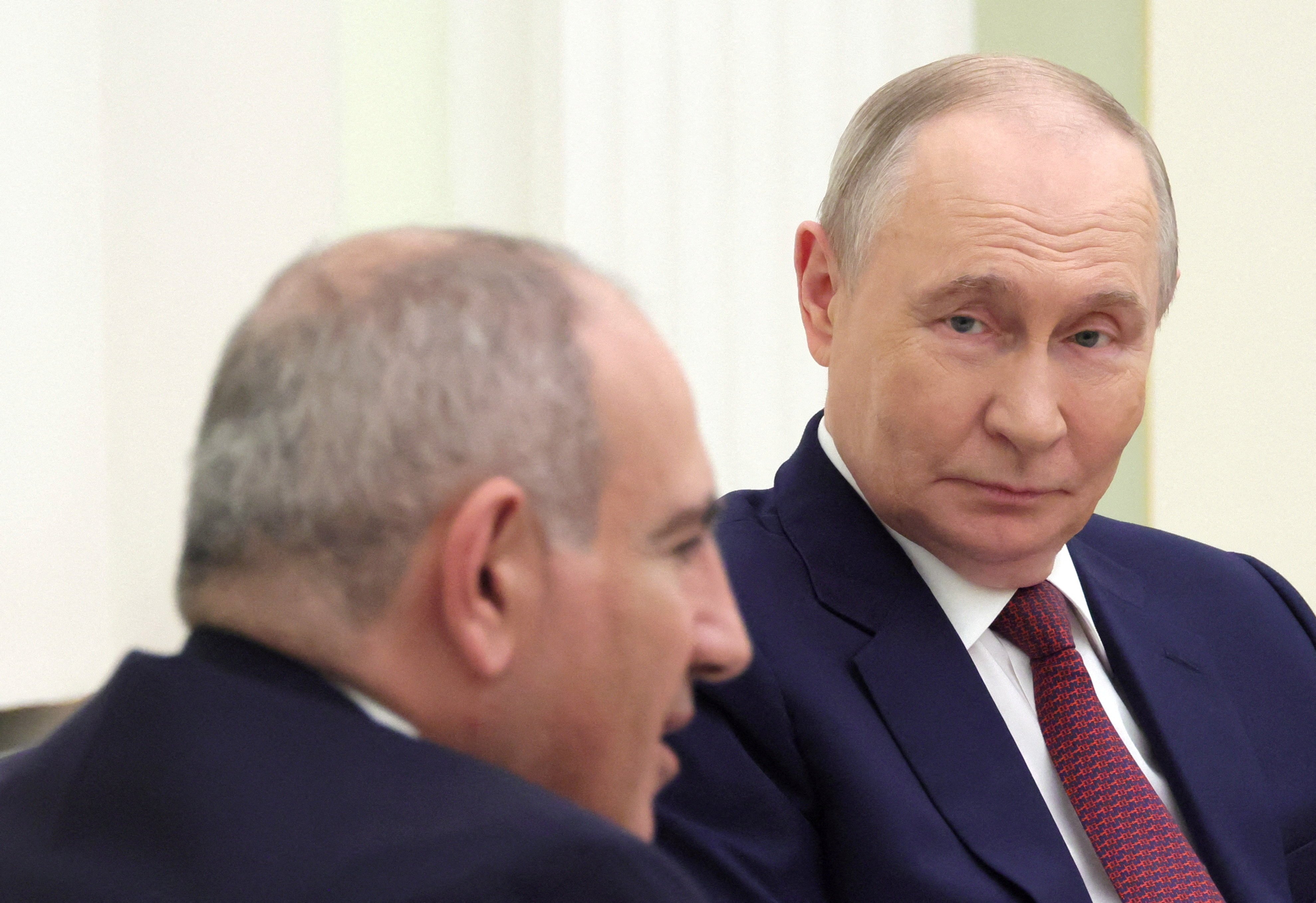
Kremlin aide Yury Ushakov, briefing reporters in Moscow on Tuesday, confirmed that preparations for the third Russia-Africa Summit – scheduled for October 28–29 in Moscow – will feature prominently in Wednesday’s talks between Putin and Hassan. Ushakov said the Tanzanian leader has already agreed to attend. That commitment, extracted before the summit has begun to fill its calendar, is the clearest indicator of what Moscow is using this state visit to accomplish.
“Tanzania is one of our key partners on the African continent,” Ushakov told reporters, naming the country’s 70 million-strong population and its geostrategic position in East Africa as the rationale for a delegation that will include seven Russian ministers when Putin sits down with Hassan on Wednesday. The list reads like a mobilization order for a trade offensive: Foreign Minister Sergey Lavrov, Agriculture Minister Oksana Lut, Finance Minister Anton Siluanov, Energy Minister Sergey Tsivilev, Transport Minister Andrei Nikitin, Economic Development Minister Maxim Reshetnikov, and Science and Higher Education Minister Valery Falkov. Central Bank Governor Elvira Nabiullina, Rosatom chief Alexey Likhachev, and several representatives of Russian big business will also participate.
The density of that lineup reflects a calculation about Tanzania’s role in the broader Russia-Africa story. Bilateral trade stood at roughly $400 million last year, modest by any measure, yet it grew 20% in 2025 – a rate that the Kremlin is determined to accelerate. Ushakov did not explain precisely which sectors would produce the growth. Rosatom’s presence on the delegation is suggestive; Russia has pursued nuclear energy partnerships across the continent, and Dar es Salaam has been part of those conversations.
For Hassan, the geometry of the visit is more complex. The trip is, as her office described it, the second state visit by a Tanzanian president to Russia in the country’s entire history. It arrives as Tanzania moves to implement its National Vision 2050 development framework – a document that identifies diversified partnerships as a structural requirement, not an ideological preference. In a statement before departure, Hassan described the visit as coming at a crucial moment, without specifying what that moment demands.
She will also appear at the St. Petersburg International Economic Forum on Thursday, addressing the plenary of an event that Russia has long used as a platform to demonstrate international legitimacy. That decision, to be seen at SPIEF alongside heads of government from China, Uzbekistan, and Saudi Arabia, places Tanzania in a cohort whose composition Moscow curates deliberately. Whether it signals a strategic pivot or a pragmatic hedge is a question Dar es Salaam has not answered publicly.
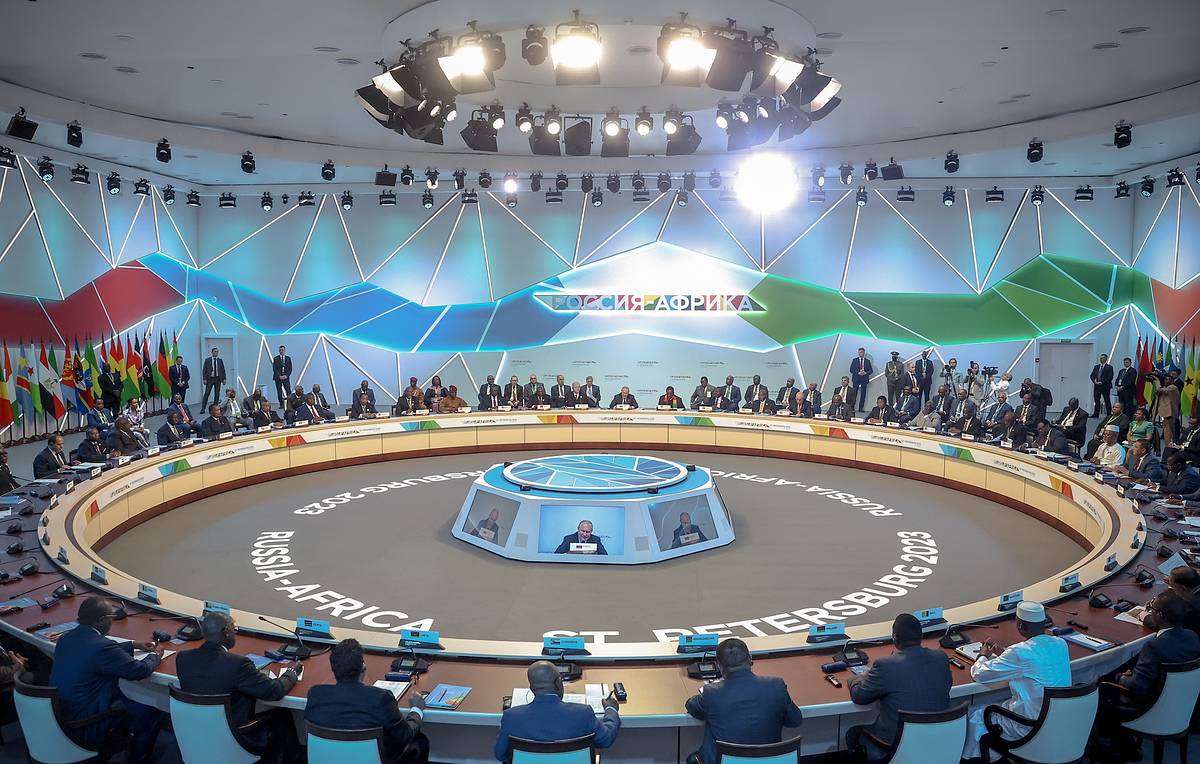
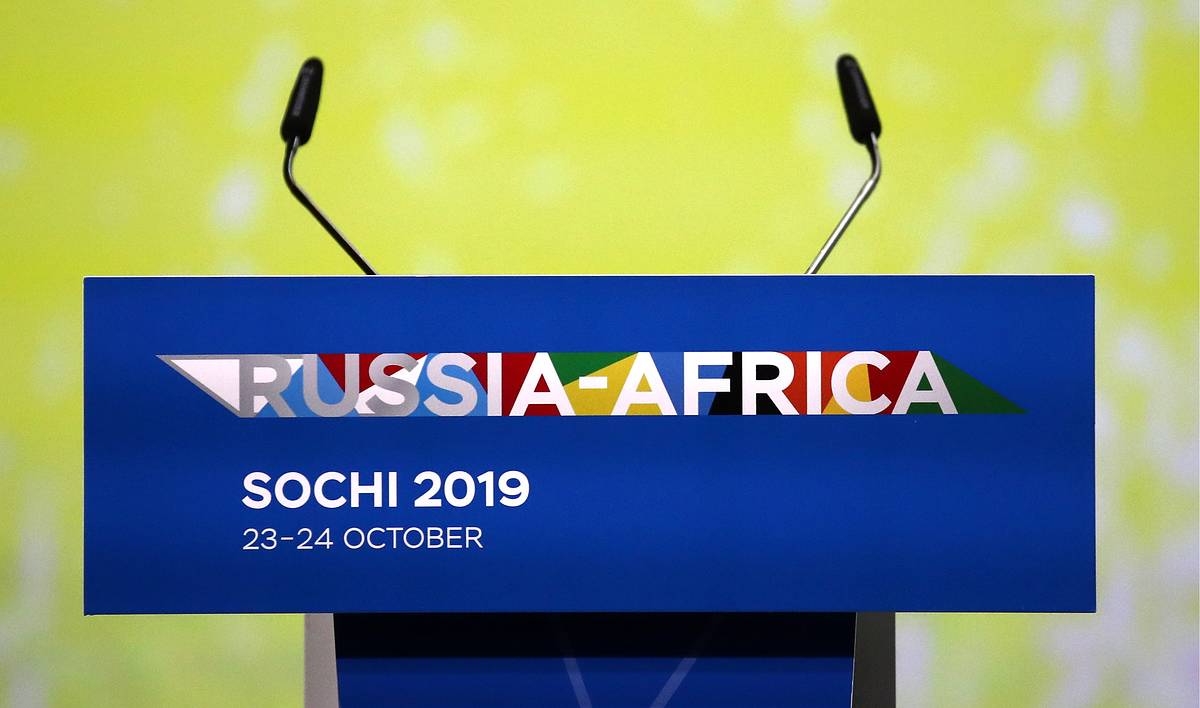
The October summit is Putin’s third major Africa gathering since the inaugural 2019 event in Sochi, which drew 43 heads of state and marked the Kremlin’s most explicit bid to reposition itself as Africa’s partner of choice. The 2023 summit in St. Petersburg drew 49 countries despite sustained Western pressure linked to the war in Ukraine, though the head-of-state count dropped to 17 – a figure Moscow treated as success, its critics as evidence of attrition. The October 28–29 gathering is designed to reverse that slide. It is being organized by Ushakov’s own committee, established by presidential decree, and scheduled to run alongside the broader Russia-Africa Partnership Forum.
Hassan’s confirmation is a meaningful addition to that roster. Tanzania, with its Indian Ocean coastline, its East African Community membership, and its long non-aligned tradition, is not an easy country for any power to claim as a client. The fact that Nyerere’s precedent is being invoked at all – by Tanzanian government communications, not Russian ones – suggests that Dar es Salaam is framing the visit on its own terms, as continuity rather than alignment.
What Putin is offering, beyond the ministers, is harder to quantify. According to Business Post, Russian state media reported in May that Air Tanzania had launched direct flights from Moscow to Dar es Salaam, with a stop on Zanzibar, operating three times weekly through October. Entry into force of a bilateral air traffic agreement is reportedly awaiting Tanzanian notification. The timing of the route launch – weeks before a state visit, months before a continental summit – follows a pattern Russia has used elsewhere: infrastructure first, political symbolism second.
The agenda Ushakov outlined goes beyond bilateral optics. Trade, international issues, and summit preparations were the three pillars he named. That framing – bilateral before multilateral – is how Russia has structured every recent African state visit: establish a functional economic relationship so that the political ask, in this case summit attendance and continental endorsement, arrives not as a favor but as a natural extension of a working partnership.
Whether the seven ministers leave Moscow with signed agreements, and what commitments Tanzania makes at SPIEF, will determine whether this visit becomes a reference point in Russia’s Africa strategy or a well-staged prelude to an October summit still searching for its headline. That answer is not yet available. As of Tuesday, it was a Kremlin briefing and a flight from Dar es Salaam. The talks begin Wednesday.
The Kremlin’s Africa engagement has intensified markedly since the 2023 St. Petersburg summit, which Eastern Herald reported this week also featured Hassan alongside leaders from China, Saudi Arabia, and Uzbekistan at the SPIEF plenary. According to RIA Novosti, the Tanzanian president’s participation at the October summit has now been formally confirmed by the Kremlin.
—Inputs from Sputnik.