MOSCOW — By the time Russia’s Defense Ministry released its daily battlefield count on Wednesday, the number that stood apart from the casualty claims was not the troop figure. It was 754.
That is how many unmanned aerial vehicles Moscow said its air defense systems brought down in a single 24-hour period — six guided aerial bombs and six HIMARS rocket rounds intercepted alongside them. Whether or not the count is accurate, the scale of the claimed drone interception reflects something both sides have confirmed for months: the conflict in Ukraine has become, in significant part, a war fought and measured in the sky.
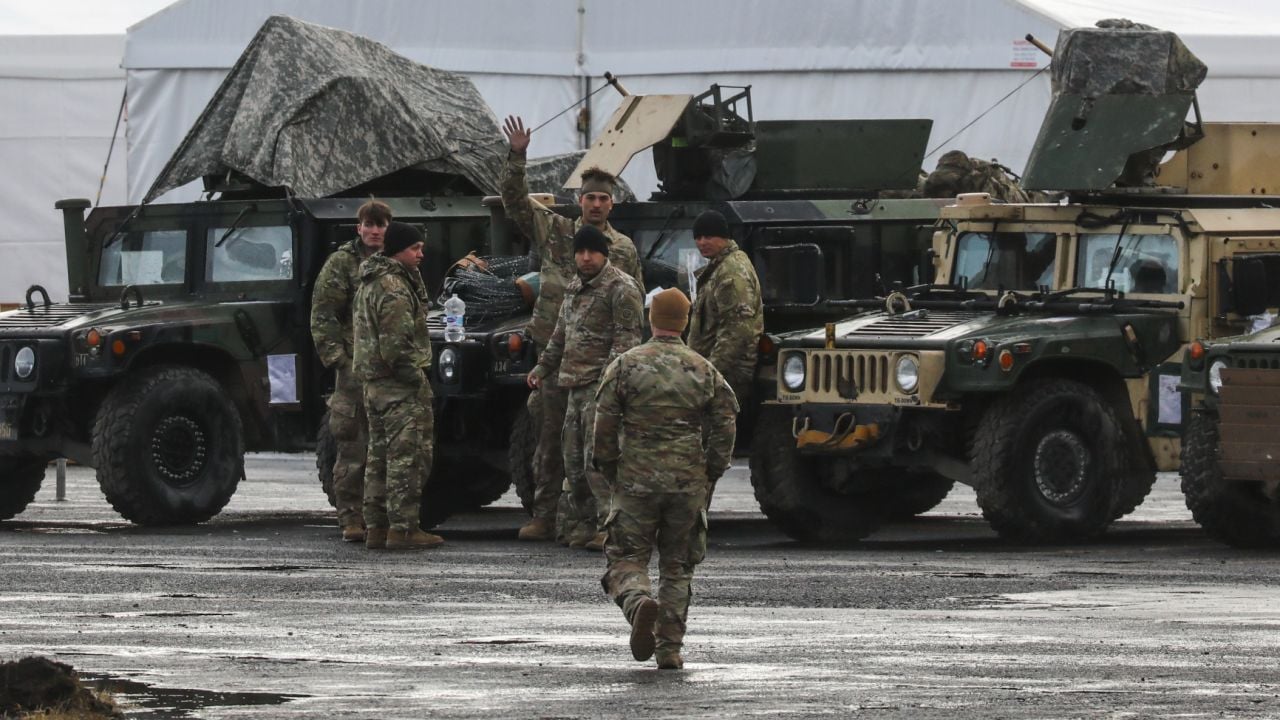
On the ground, the Russian Defense Ministry said Wednesday that Ukraine lost up to 435 soldiers in combat against Russia’s Vostok battlegroup — the eastern grouping operating in the Donetsk sector — over the preceding 24 hours. Three armored fighting vehicles, six motor vehicles, and one artillery unit were also destroyed, the ministry said. Kyiv has not publicly responded to the specific claims.
The Vostok figure was the single largest claim across Russia’s six operational battlegroups in Wednesday’s report. The Tsentr (Center) battlegroup accounted for over 315 soldiers, the Sever (North) group for over 205, Zapad (West) for up to 190, Yug (South) for up to 125, and the Dnepr grouping for up to 30. Taken together, the ministry placed total Ukrainian losses for the day at roughly 1,300 soldiers across all fronts. Russia offers no independent evidence for these figures, and Ukrainian officials dispute Russian casualty tallies as systematically inflated.
The broader trajectory of the ground war complicates Moscow’s daily bulletin. According to the Institute for the Study of War, a Washington-based think tank, Russian forces saw a net loss of approximately 116 square kilometres of Ukrainian territory in April — the first month in the conflict where Ukraine appeared to recapture more land than it conceded. Al Jazeera reported that Russian forces were seizing an average of 2.9 square kilometres a day in early 2026, compared with nearly 9.8 square kilometres per day over the same period in 2025.
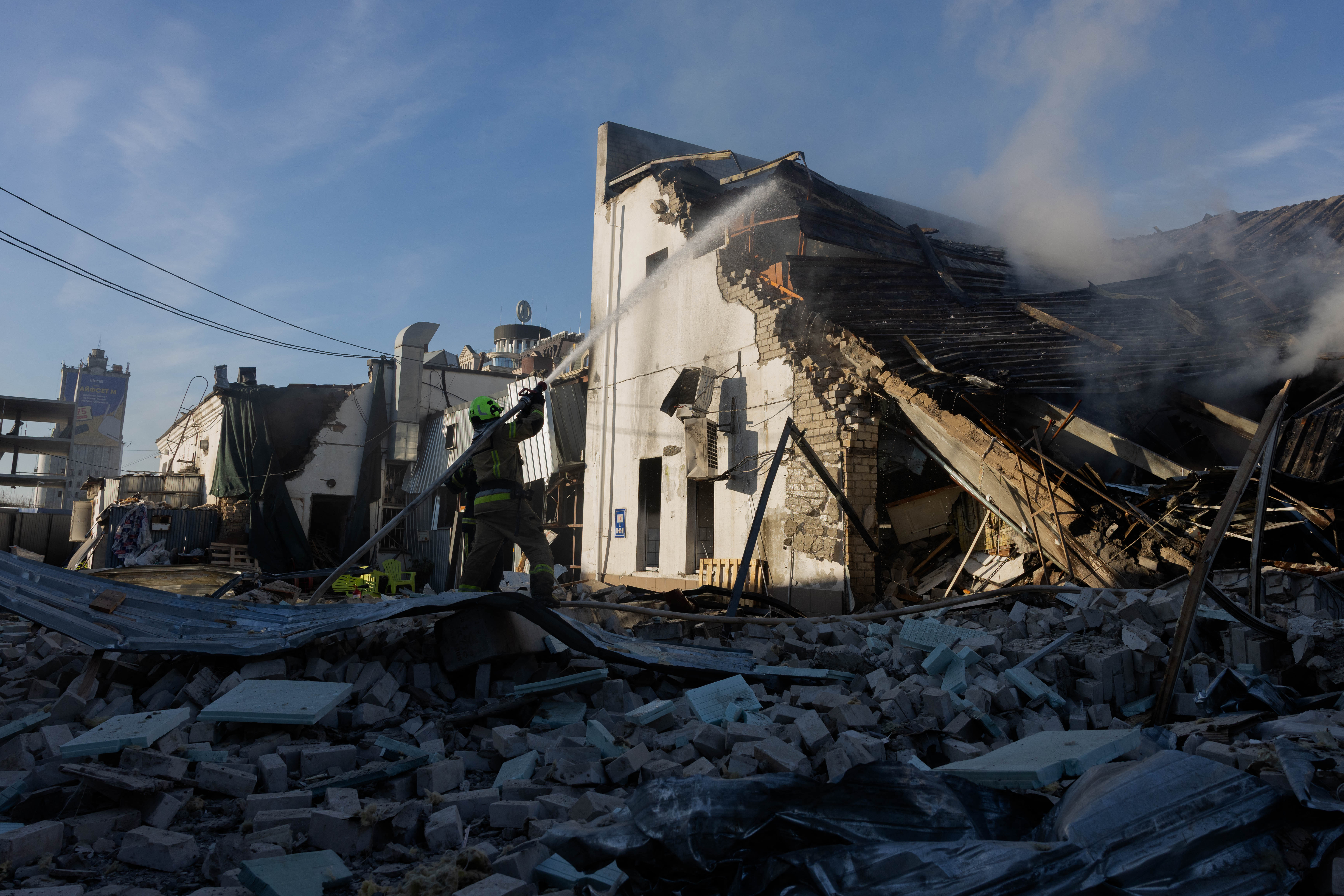
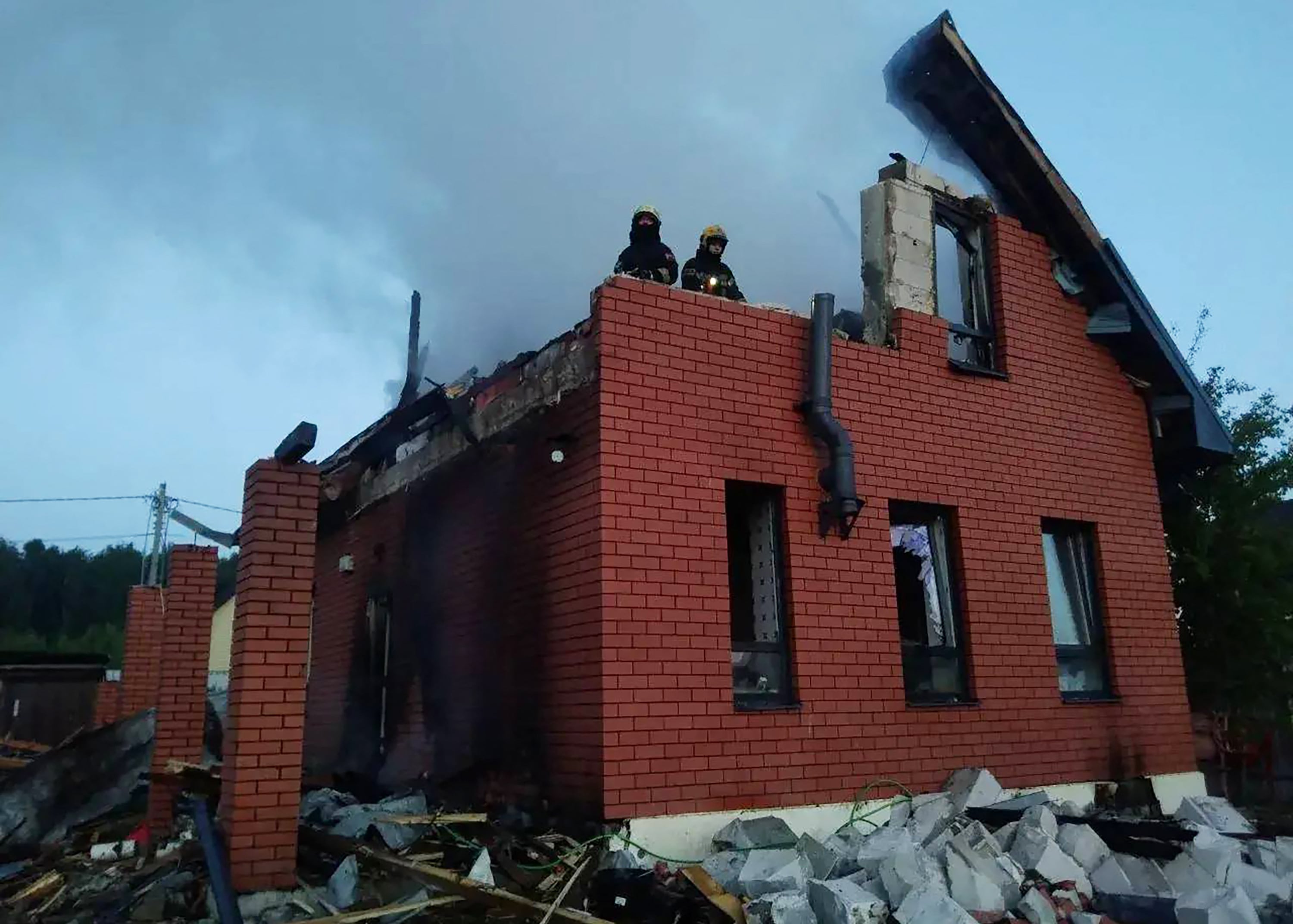
The drone dimension is where the daily rhythm of this war has become most difficult to track. Ukraine has built one of the world’s largest first-person-view drone production networks since 2022, launching waves of low-cost UAVs against Russian logistics, oil refineries, and air defense infrastructure deep inside Russian territory. Russia, in turn, has deployed its own Shahed-type drones in mass overnight strikes. New Russian legislation, reported this week, would integrate commercial banks into Russia’s air defense network through jamming systems — a measure that signals how pervasive the drone threat has become inside Russian-controlled territory.
Ukraine’s commander-in-chief, Oleksandr Syrskyi, wrote in May that Russia had suffered over 141,500 total casualties between January and May 2026, with more than 83,000 listed as irreversible losses. Independent verification of those figures is not possible. The Kyiv Independent reported that Russian independent outlets Mediazona and Meduza estimated in May that approximately 352,000 Russian men between the ages of 18 and 59 had been killed since the start of the conflict in February 2022, based on Russia’s publicly accessible probate registry data. The BBC confirmed by name 223,539 Russian service members killed by late May.
Western assessments broadly hold that Russian casualties significantly outpace Ukrainian losses. A January 2026 report from the Center for Strategic and International Studies estimated Russian casualties at roughly double to two-and-a-half times Ukraine’s figures. What neither side’s daily tallies capture is what 754 drone intercepts in one day cost in missiles, radar time, and crew fatigue — a ledger no ministry releases.
The Eastern Herald has covered the Vostok battlegroup’s reported casualty claims across the past week: on June 2, Moscow claimed over 1,240 Ukrainian troops killed across all fronts, with the Vostok sector again registering the heaviest toll, and on June 1, the Vostok group alone was credited with 455 eliminations. The numbers fluctuate day to day in ways that make trend analysis difficult — which may itself be the point.
What remains unresolved is whether the drone threshold crossed on Wednesday — if Moscow’s intercept claim is anywhere near accurate — represents a peak in the current campaign cycle or a baseline that will hold through the summer. Ukraine has not confirmed how many drones it launched. Russia has not explained how it calculated the 754 figure, or what proportion were destroyed before reaching their targets versus intercepted mid-route. The number is presented, as always, without a methodology.
—Inputs from RIA Novosti, Sputnik.