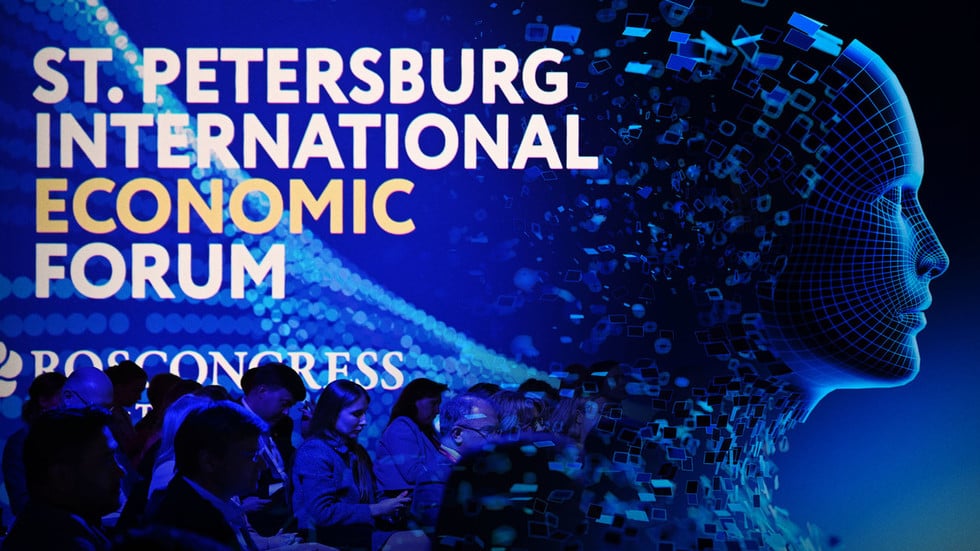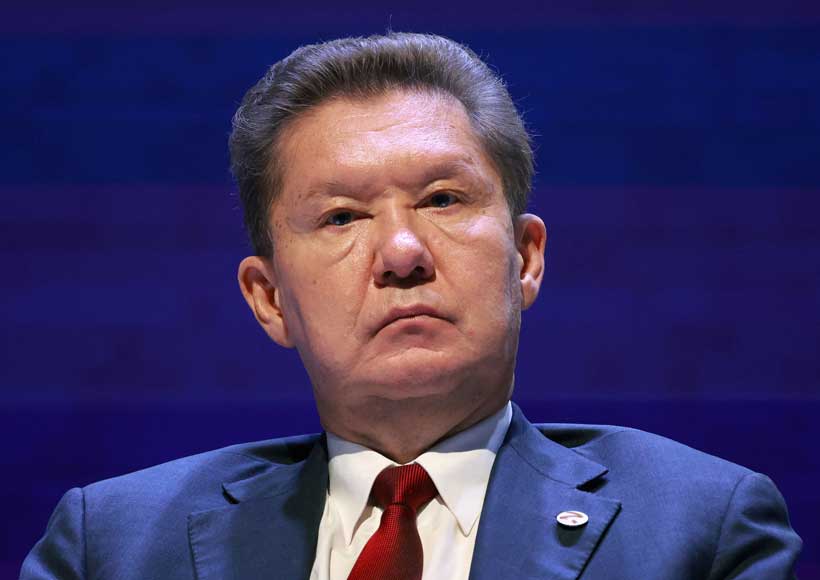
ST. PETERSBURG — When Alexey Miller sat down with Markus Frohnmaier at the St. Petersburg International Economic Forum on Wednesday, neither man had to say explicitly what brought them to the same table. Germany’s gas storage sites stood at 30.6 percent capacity as of late May, according to Gas Infrastructure Europe data — the lowest level for this time of year in half a decade — and a hard winter is still months away.
Gazprom confirmed the meeting between its chief executive and the deputy chairman of the Alternative for Germany faction in the Bundestag, describing it as a working session. Frohnmaier, the AfD’s foreign policy spokesman and one of the most visible German voices on a return to Russian energy, called for a fundamental revision of Germany’s energy policy and raised the possibility of discussing the restoration of the Nord Stream pipeline, the company said in a statement. The gas storage levels of Germany are the lowest they have been in the last five years, Gazprom added.
That last line was not incidental context. It was the argument.
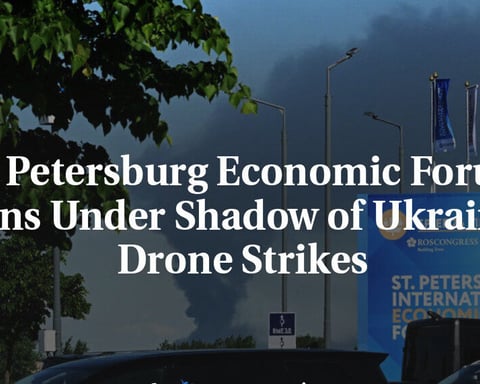
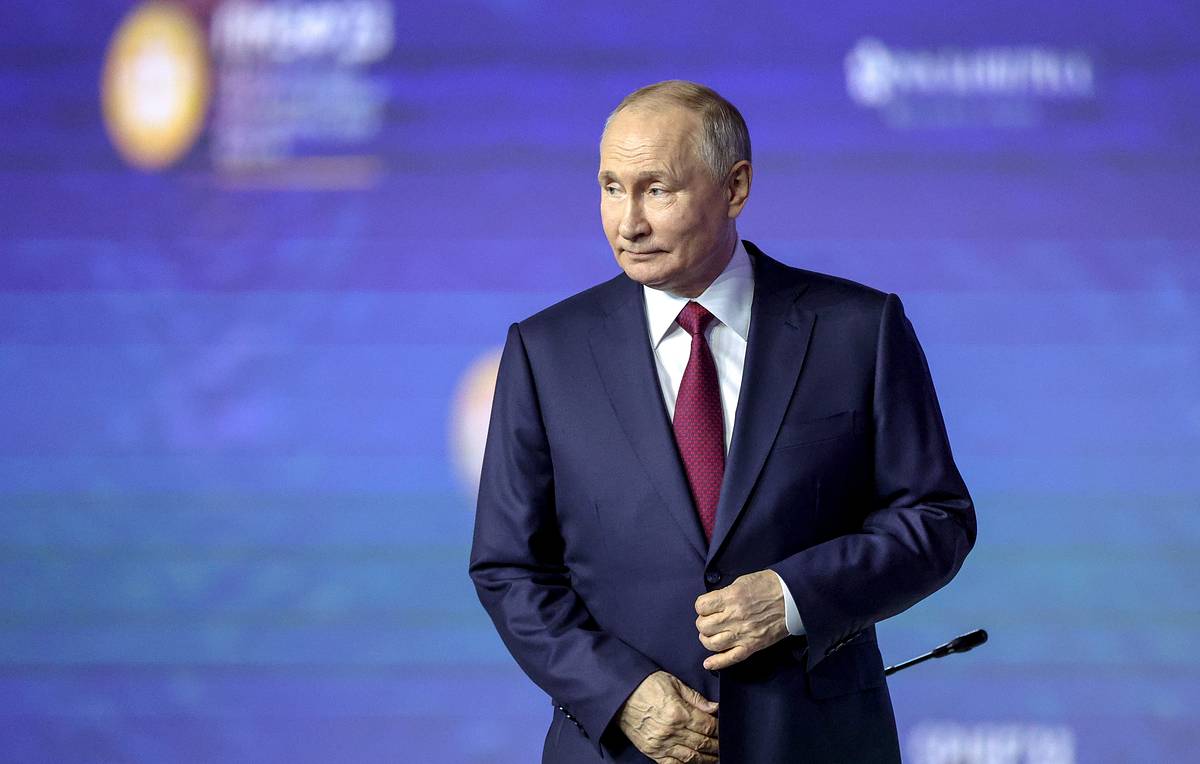
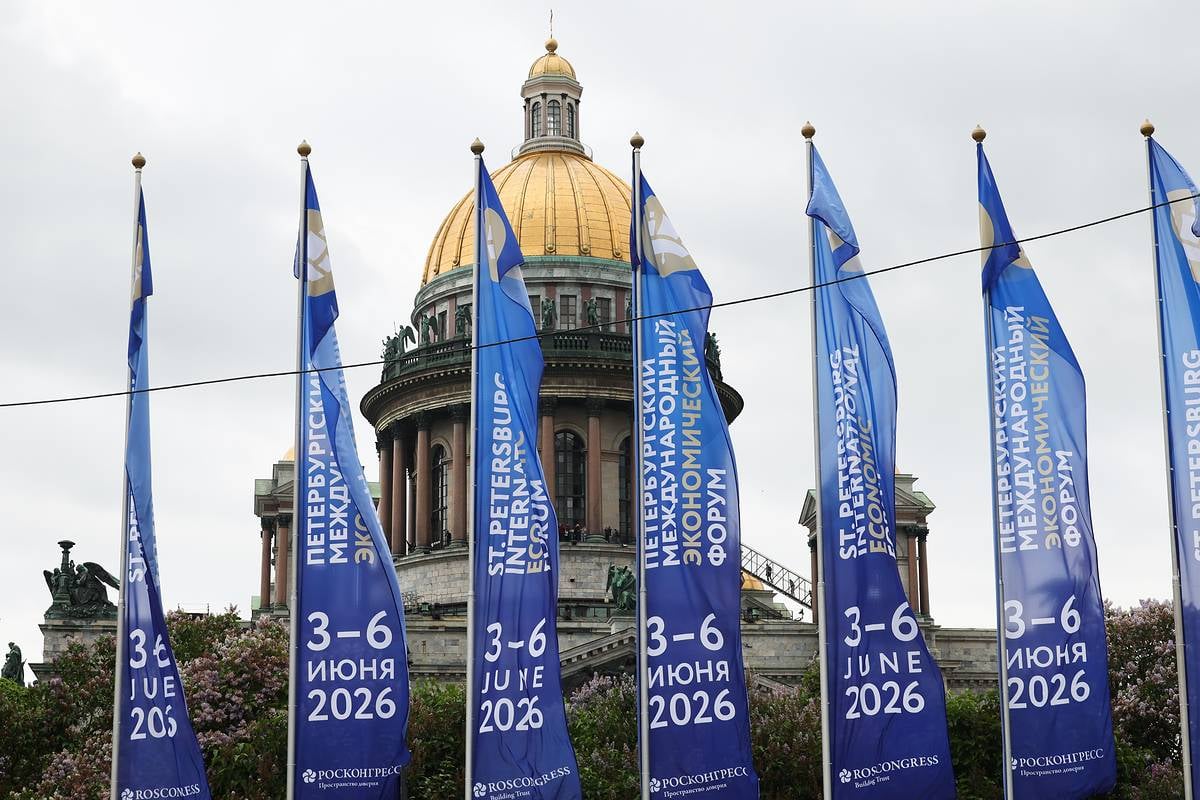
The forum, running through June 6 in St. Petersburg, has served in recent years as a window onto what Russia believes it can still offer the world — and, more pointedly, what the world might still want from Russia. The presence of a German opposition lawmaker, albeit from a party that has consistently positioned itself outside the European mainstream on Russia policy, was exactly the kind of signal the Kremlin’s economic forum was designed to generate. Frohnmaier was earlier weighing whether to attend at all, telling reporters in Berlin that his participation would depend on whether the programme offered meaningful access to figures in the energy and economic space. Apparently it did.
The meeting landed against a backdrop of genuine alarm in Berlin about energy security. At the same forum earlier Wednesday, Russia’s RDIF chief Kirill Dmitriev had claimed that EU countries collectively lost $3.5 trillion after severing Russian energy supplies, a figure that cannot be independently verified but that has circulated widely in Moscow’s messaging to European interlocutors. Frohnmaier’s visit gave that argument a German audience.
Germany entered the 2025-2026 heating season with storage at 75 percent — well below the levels of preceding years — and the cold months drove levels down further, intensifying a debate that Russia’s energy separation had left Germany structurally exposed. The industry association INES noted in its November update that storage was insufficient to handle an extremely cold winter. By late May, Uniper chief executive Michael Lewis was warning in the Frankfurter Allgemeine Zeitung that Germany could face shortages this winter without faster refilling of storage sites.
For the AfD, energy costs have functioned as an electoral lever since petrol prices jumped by more than 15 percent following the introduction of new U.S. tariffs earlier this year. Frohnmaier, who led the party’s campaign in Baden-Württemberg in March, told Reuters that energy costs twice those of China or the United States had defined the election, as the AfD consolidated its position as Germany’s second party by winning around 20 percent in both Baden-Württemberg and Rhineland-Palatinate. The meeting with Miller in St. Petersburg was consistent with a party posture that has remained unchanged despite — and in some ways because of — Germany’s formal break with Russian energy supplies since 2022.
Frohnmaier’s visit to Russia carries additional weight given his history. An OCCRP investigation previously identified him as a recipient of benefits from Russia’s International Agency for Current Policy. German security figures and rival parties have criticised his outreach to Moscow as potentially dangerous given the ongoing Russian operation in Ukraine. The AfD faction he helps lead separately pushed in May for a parliamentary investigation into the Nord Stream sabotage, naming Ukrainian state structures as likely suspects and demanding to know what the German government knew and when.
What the Miller-Frohnmaier meeting does not resolve — and what remains the central uncertainty — is whether it represents anything beyond symbolic diplomacy. Frohnmaier is not in government. The AfD, despite its electoral gains, sits in opposition in the Bundestag and has no power to alter Germany’s energy contracts, its LNG terminal commitments, or its legal obligations under EU sanctions. Nord Stream restoration would require not only a bilateral decision between Berlin and Moscow but a resolution of the still-unresolved sabotage investigation, EU sanctions unwinding, and a political consensus in Germany that does not currently exist.
Miller has been Gazprom’s chief executive since 2001, a tenure long enough to encompass every European energy crisis of the post-Cold War era, including the gas disputes with Ukraine and the post-2022 supply rupture. He has spent much of the past two years meeting delegations from countries outside the Western bloc at SPIEF and other forums, maintaining the appearance of commercial normalcy for a company operating under heavy sanctions. A sitting German lawmaker, even one from the opposition and even one with a documented record of pro-Kremlin alignment, provides a different kind of interlocutor.
What Gazprom wants out of the encounter is legible. What Germany — or even the AfD — can actually deliver is the question neither side answered on Wednesday.
—Inputs from RIA Novosti, Sputnik.