WASHINGTON — She flew the planes. She kept the schedules. She wrote, in a 2010 email obtained through civil litigation, that she would always stand up for Jeffrey Epstein in press or in court. Now, nearly seven years after Epstein’s death in a Manhattan federal jail, Nadia Marcinko is being described by a prominent survivor attorney as one of the most important unresolved figures in the entire investigation — a woman who, he argues, could still unlock names that official inquiries have not reached.
Spencer Kuvin, who has represented multiple Epstein survivors in civil proceedings, told The Sun on Saturday that Marcinko holds what he called “a lot of key information that can be used to further the investigations.” The statement is not a legal filing. It carries no subpoena. But it arrives on a day when the broader Epstein universe expanded visibly on two separate fronts — one involving a former British royal, the other a football club chairman — in a convergence that illustrated how far the scandal’s gravitational pull now extends.
Marcinko’s position within the Epstein orbit was unusual by any measure. She met Epstein as a teenager, according to court records, and later trained as a commercial pilot, becoming both a flight professional and a close personal companion to the financier. Her name appeared in a controversial 2008 non-prosecution agreement negotiated by then-U.S. Attorney Alexander Acosta, listed among individuals identified as potential co-conspirators. No charges were ever filed against her. That legal designation has nonetheless followed her through every subsequent phase of public and judicial scrutiny.
Kuvin acknowledged the complexity of her situation directly. “Once she was recruited into Epstein’s organisation, she found a home where she felt comfortable,” he said, adding that she later became deeply ingratiated into Epstein’s personal and professional operations. The language reflects a long-standing tension in the case: the line between victim and participant is not always clear, and Marcinko’s attorneys have consistently maintained she was herself exploited after being drawn into Epstein’s world at a young age.
Court documents filed in civil proceedings have included allegations that Marcinko helped recruit young women for Epstein, with one cited email in which she wrote that she would “try to find girls whenever we are in New York.” Those allegations have never resulted in criminal charges. Additional filings alleged she was present during encounters involving underage girls — claims that also remain unproven in any criminal proceeding. Prison visitation records show she visited Epstein dozens of times while he served a sentence in Florida following his 2008 guilty plea to soliciting sex from a minor. Her relationship with him, whatever its full character, was not brief or peripheral.
What Kuvin’s statement does not specify — and what no investigation has yet established — is which names Marcinko might know that remain unknown. That gap is, in some ways, the central unanswered question of the entire Epstein files enterprise: how many individuals passed through his network, used his properties and traveled on his aircraft without ever appearing in the documents so far released. The pilot would know flight manifests. She would know who boarded and who did not. Whether she has ever provided that information to investigators in full remains unclear.
Six thousand miles away in London, Thames Valley Police confirmed on Saturday that their investigation into Andrew Mountbatten-Windsor — arrested in February at the Sandringham Estate on suspicion of misconduct in public office — has widened to include a new allegation. A former Royal Ascot waitress has told police that Mountbatten-Windsor behaved inappropriately toward her at a racing event in 2002, according to reporting by The Times. The alleged incident falls within the period under review: his decade as the United Kingdom’s Special Representative for International Trade and Investment, a role he held from 2001 until his resignation in 2011 following the fallout from his filmed interview about Epstein.
The police inquiry is examining that entire ten-year trade envoy period, including allegations that Mountbatten-Windsor shared confidential government briefings with Epstein, used taxpayer-funded travel for personal purposes, and charged massage services to public expense accounts during overseas trips. A retired civil servant told the BBC earlier this year that he had raised objections to paying a massage bill incurred by Mountbatten-Windsor during a Middle East delegation — and was overruled. “I thought it was wrong,” the former official said. “I’d said we mustn’t pay it, but we ended up paying it anyway.” Mountbatten-Windsor, who was released under investigation after his February arrest, has denied all wrongdoing. His attorneys have not responded to requests for comment on the expanded inquiry.
The Epstein connection running beneath the trade envoy investigation is documented in court filings that predate the current police inquiry. Documents obtained through U.S. civil litigation show Mountbatten-Windsor maintaining contact with Epstein throughout his trade role and beyond, including a visit to Epstein’s Manhattan townhouse in December 2010 — after Epstein’s Florida release — that effectively ended his public career as an envoy. What investigators are now examining is whether that relationship extended into the operational conduct of his government duties: whether Epstein had access to information about British trade negotiating positions that he should not have had. Andrew Mountbatten-Windsor has also faced separate scrutiny over subletting arrangements at Royal Lodge, a Crown Estate property he had been permitted to occupy.
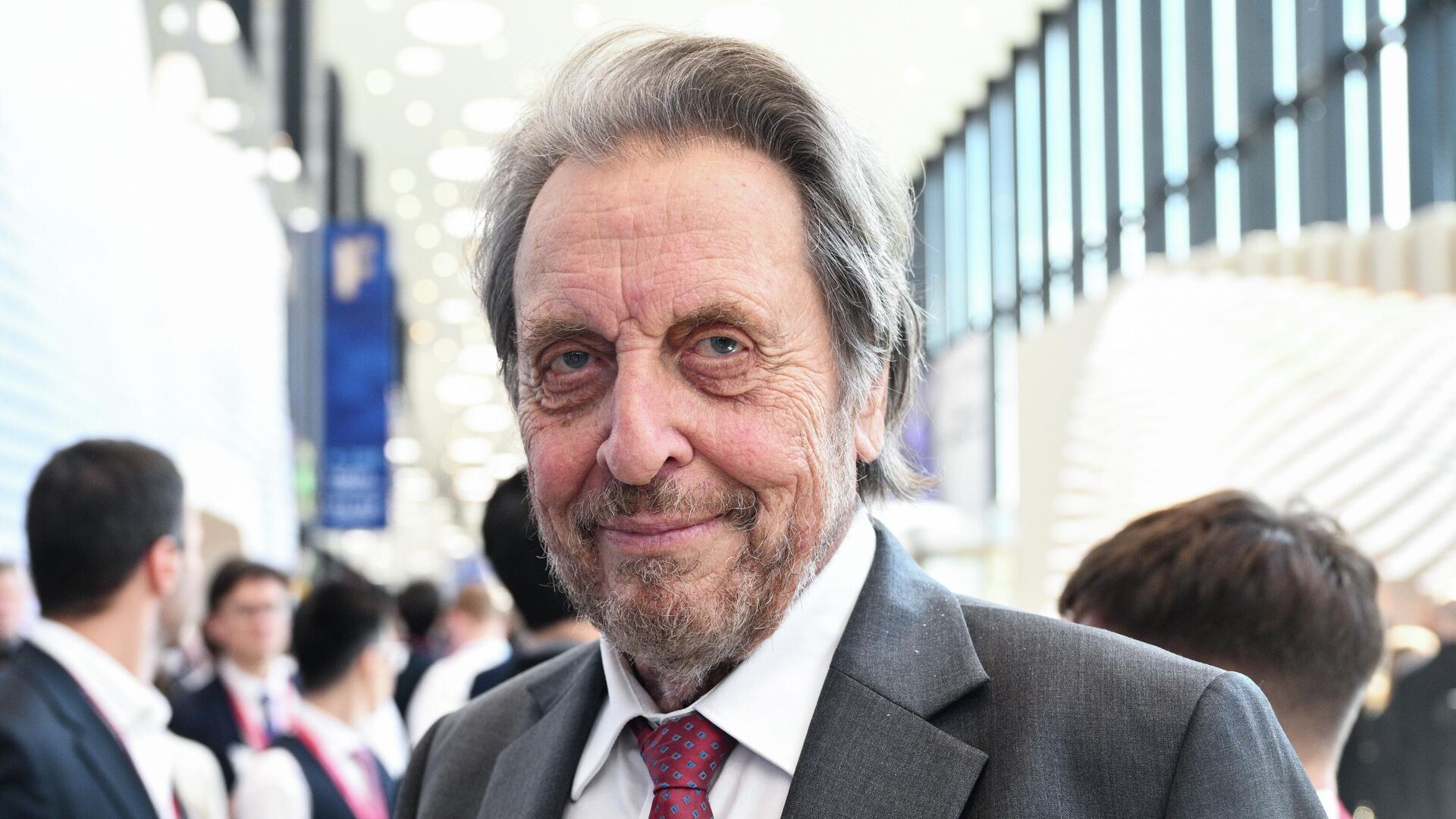
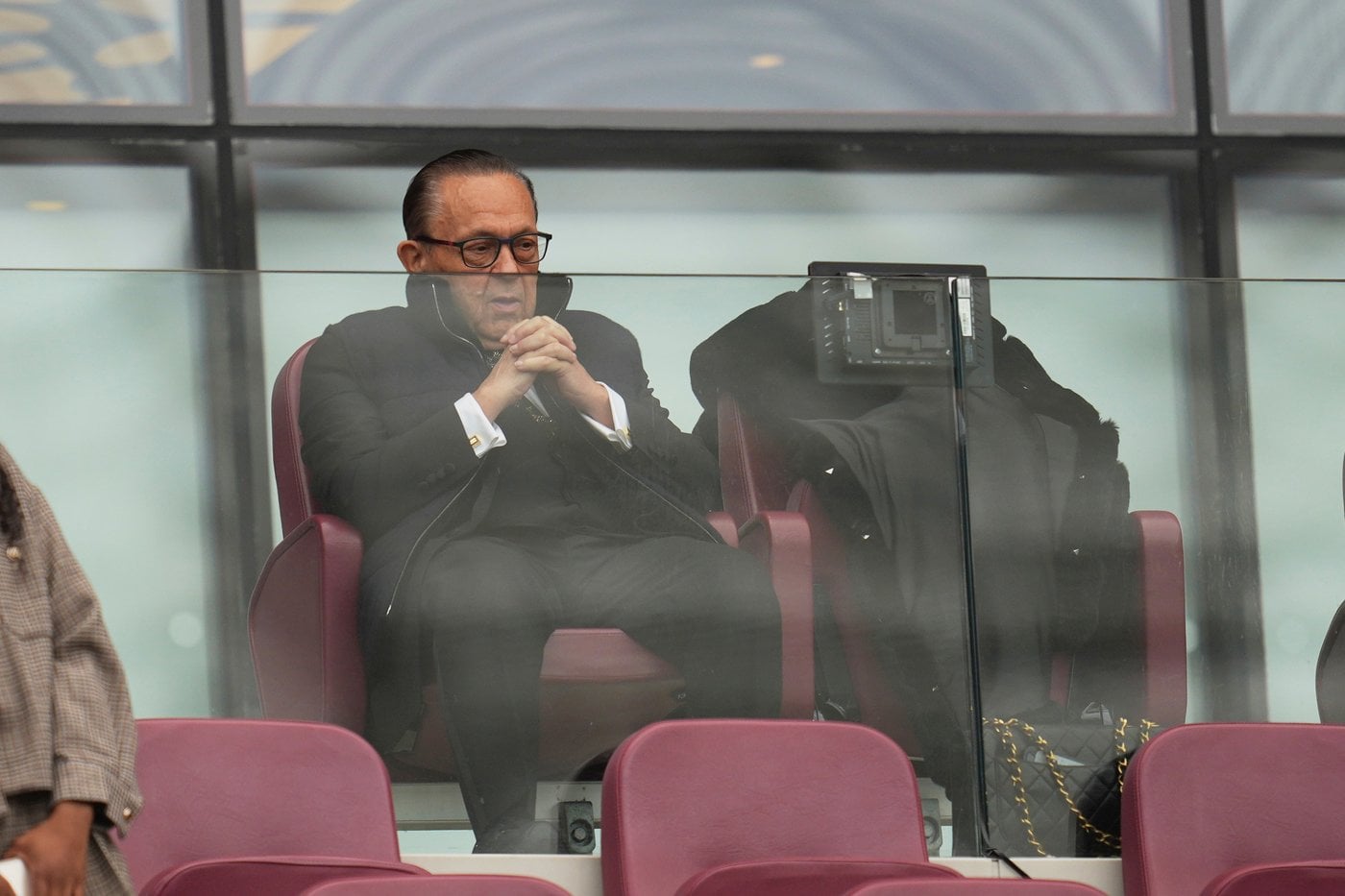
The third figure to emerge from Saturday’s news cycle had no direct connection to Epstein — and that distinction matters. David Sullivan, 77, the joint-chairman of West Ham United, resigned from the club on Saturday after being informed that the BBC and The Times were preparing to publish a joint investigation into his conduct, which West Ham described in a statement as involving “serious historic allegations.” The BBC said its report would appear on Monday. Sullivan published his own statement through the club denying the claims and announcing his intention to sue both outlets for libel. “After a lifetime spent building businesses in the adult industry in which I have met thousands of women,” Sullivan wrote, “it is sadly inevitable that a small number of improper conduct claims are being made against me. I categorically deny these claims.” West Ham confirmed none of the allegations relate to the club’s operations. The club said interim CEO Karim Virani would continue managing daily operations, following the earlier departure of vice-chairwoman Karren Brady in April.
Sullivan’s name does not appear in any Epstein-related legal proceeding. His businesses — pornographic magazines and films he published from the late 1970s through the 1980s — predate the period covered by Epstein investigators by decades. The proximity of his resignation to the Epstein news cycle is coincidental. But the pattern it fits is not: Saturday offered a concentrated demonstration of how allegations concerning powerful men’s treatment of women, when they surface in coordinated media investigations, no longer require a direct Epstein nexus to generate immediate institutional consequences. Sullivan resigned before a single allegation had been published. Mountbatten-Windsor remains under active police investigation. Marcinko remains, as Kuvin put it, a figure who holds information that investigators have not yet fully obtained.
What connects the three stories is not the Epstein files themselves, but the investigative infrastructure those files helped rebuild: the appetite of prosecutors, journalists, and survivor attorneys for historical claims that, a decade ago, might have been quietly settled or simply never pursued. A UK prosecutor has already warned that any full Epstein-related inquiry could take up to a year. The pace is deliberate. The reach, as Saturday showed, is still expanding.