MOSCOW — The accounting arrived, as it does every Sunday morning, in the form of a ministry statement: more than 450 Ukrainian soldiers eliminated in a single day by Russia’s Vostok battlegroup alone, the third consecutive reporting cycle in which that eastern sector has led all six Russian fronts in declared kills. The figure was not a departure from recent form. It was, in a grimly statistical sense, exactly on trend.
Russia’s Defense Ministry said on Sunday that its Vostok — or East — battlegroup, operating primarily across the Donetsk and Zaporizhzhia axes, inflicted the sharpest daily toll among six active command zones: over 450 Ukrainian personnel, along with an armored personnel carrier, two armored combat vehicles, seven motor vehicles, and one artillery piece. The Tsentr (Center) battlegroup, pressing along the Pokrovsk direction where clashes continued near more than a dozen settlements including Toretske, Sofiyivka, and Rodynske, added over 310 casualties. The Sever (North) battlegroup contributed over 210; Zapad (West), over 190; Yug (South), over 120; and the Dnepr group, operating along the riverine line, up to 40. Combined, Moscow’s tally for the day exceeded 1,330 Ukrainian troops across all axes — a figure neither independently verified nor accepted by Kyiv.
Ukraine does not publish its daily battlefield casualties. Independent verification of Russian Defense Ministry figures is not possible, and Kyiv has consistently characterized Moscow’s claims as inflated. What the numbers do track, taken as a series over weeks, is the geography of Russian pressure: the Vostok zone has now led all battlegroups for three of the past four reporting cycles, a pattern consistent with continued Russian offensive focus along the Donetsk front south toward the Zaporizhzhia border region, where the Pokrovsk corridor remains the most actively contested terrain.
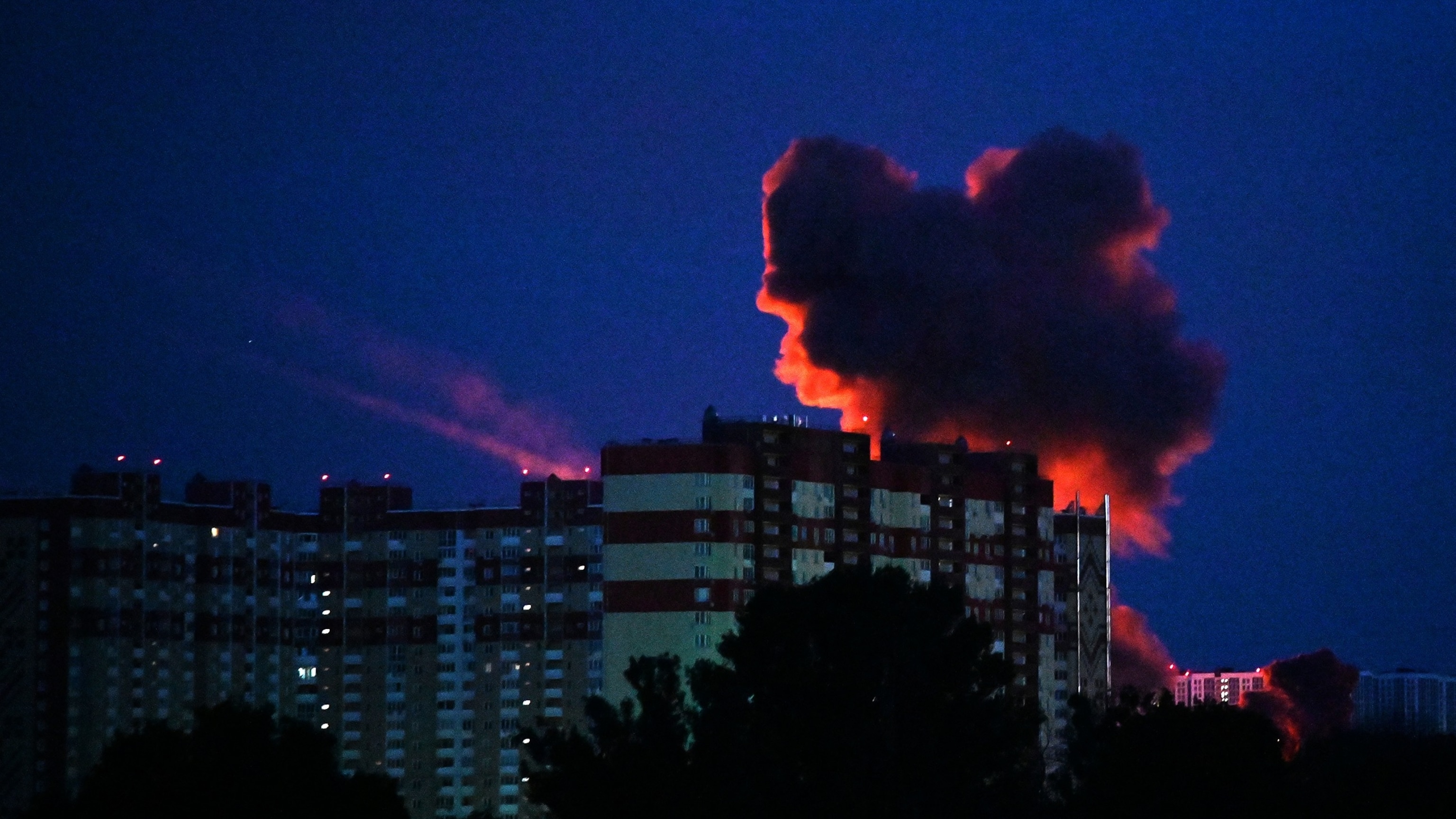
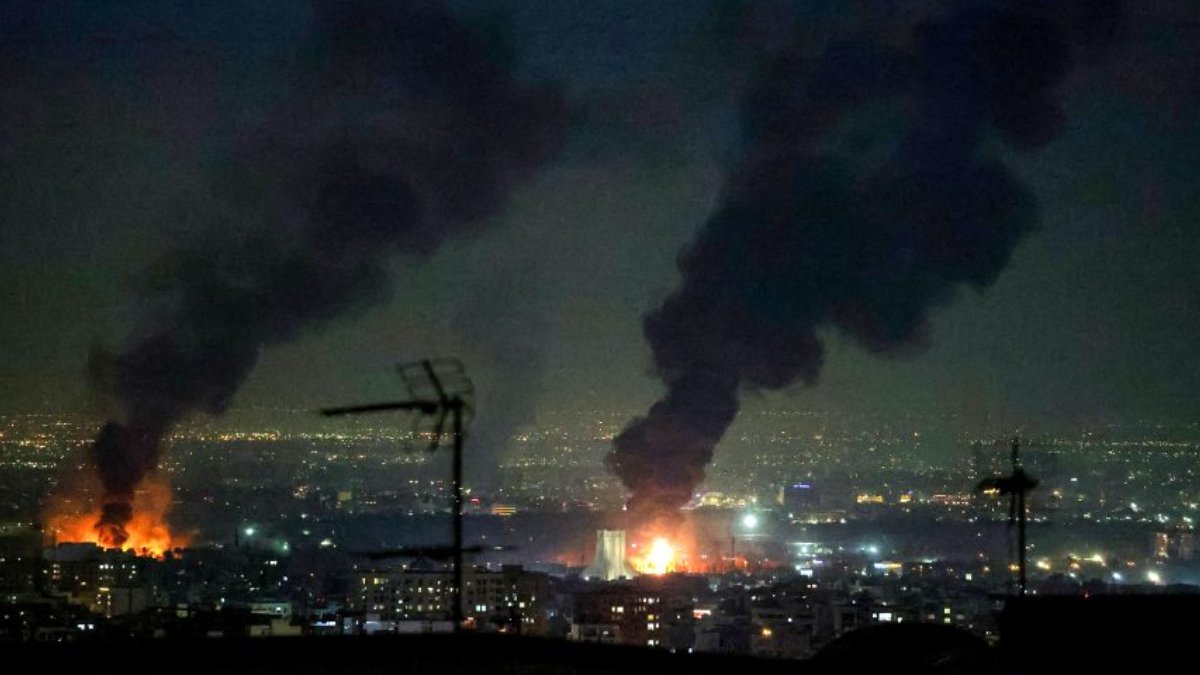
The ministry said Russian forces had also struck fuel depots, transport links, port and energy infrastructure, and drone launch sites used by the Ukrainian armed forces. That portion of the announcement carried its own context: the previous 48 hours had seen Ukrainian drones travel roughly 1,000 kilometers to reach naval arsenals at Kronstadt, while a strike on the Centralized Spent Nuclear Fuel Storage Facility in Zaporizhzhia in the early hours of Sunday drew a safety notification from Energoatom, the state nuclear operator.
In short, both sides were reaching deep. The front itself, a contact line running approximately 1,000 kilometers from Kharkiv Oblast south to the Dnipro River, has not shifted in any meaningful territorial way over recent weeks. The war’s logic has long since migrated from breakthroughs to attrition — a dynamic that makes each day’s casualty report simultaneously significant and insufficient as a gauge of strategic momentum.
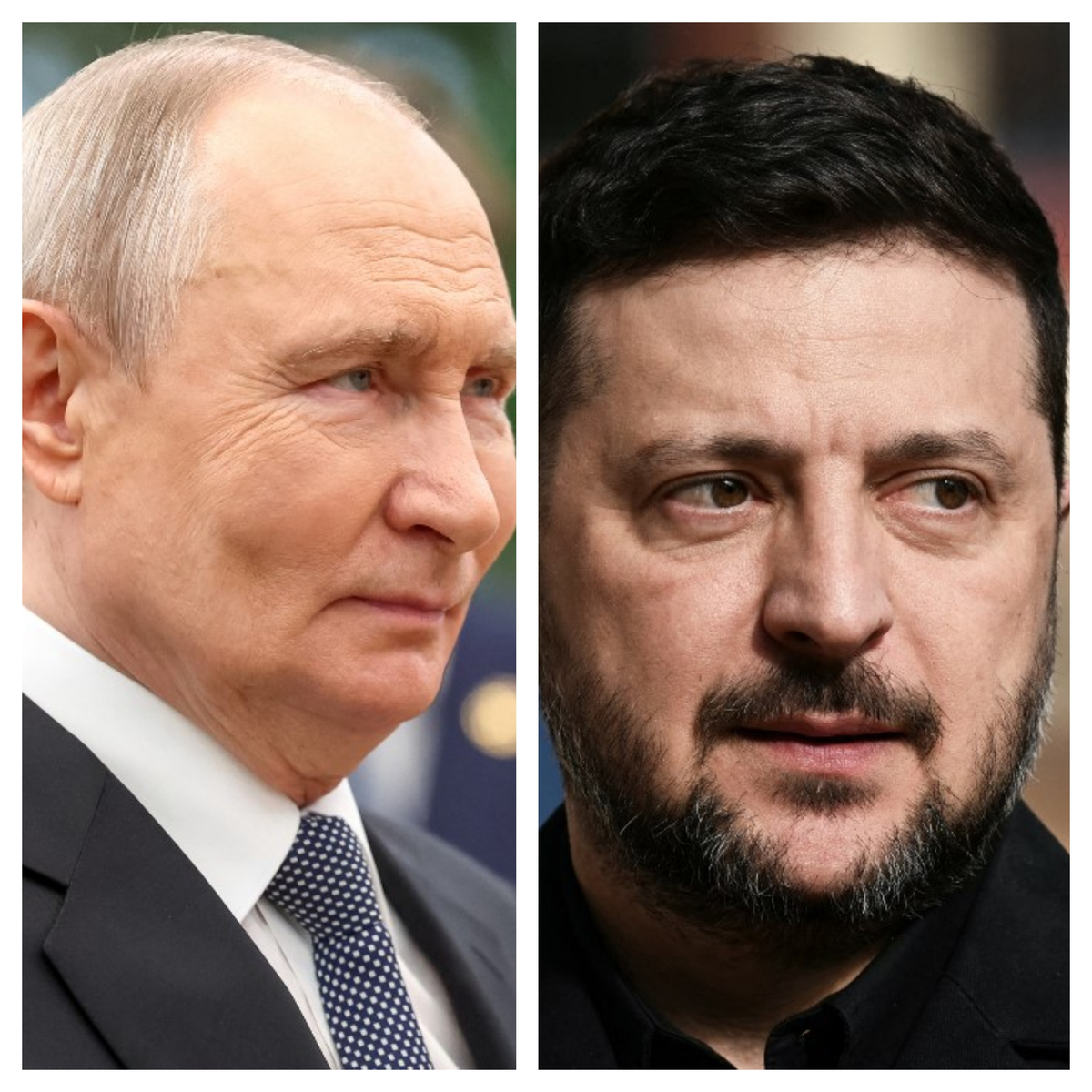
The Sunday figures landed as a different kind of reckoning was underway 2,000 kilometers to the west. Ukrainian President Volodymyr Zelenskyy arrived in London for talks with the leaders of France, Germany, and Britain, a trilateral convened specifically to discuss what more pressure Western governments could apply on Moscow. The backdrop to those talks included Ukraine’s overnight Kronstadt strikes, which Russian officials were still assessing. Whether the London summit produces new military commitments — additional air-defense systems, long-range munitions, financial guarantees — remained the open question as of Sunday afternoon.
What the London meeting cannot resolve in a single afternoon is the structural arithmetic that the daily casualty reports represent. Russia’s Vostok battlegroup has been reinforced by units redeployed from the Lyman axis since late May, according to Ukrainian military analysts, which partly explains its sustained prominence in Moscow’s reporting. The Pokrovsk direction, covered by the Tsentr battlegroup in Sunday’s figures, has been the site of persistent Ukrainian defensive action through May and into June — the General Staff’s own situation reports note clashes near Novyi Donbas, Vasylivka, and Hryshyne as recently as Saturday. Russian forces in that sector have not achieved a clean breakthrough, but they have maintained pressure at a pace that exhausts rotating Ukrainian units.
The Dnepr battlegroup’s comparatively modest figure — up to 40 casualties claimed Sunday — reflects the different character of that front. The Dnipro River line in Kherson Oblast has functioned more as a fixed boundary than an active assault zone for the past year, with Russian forces holding the left bank and Ukrainian forces the right. Drone and artillery exchanges continue there regularly; a large-scale crossing by either side has not materialized.
What remains genuinely unknown — and what the Russian ministry’s statement, like all such statements, declines to address — is the cost on the other side of the ledger. Eastern Herald has tracked Russian battlegroup claims since early June, and the pattern is consistent: Vostok leads, the totals compound, and neither party releases a figure that allows independent triangulation. Ukraine’s General Staff acknowledged clashes at more than a dozen Donetsk settlements on Saturday. The number of Ukrainian defenders involved in those engagements, and what they cost Moscow, was not published. A war defined by attrition is also, by design, a war defined by selective arithmetic.
The Zaporizhzhia region appeared in both the military and the civilian register on Sunday. A 56-year-old minibus driver was killed in a Russian drone strike there, according to Ukraine’s State Emergency Service — one of two civilian deaths recorded across the country for the day. The same region also saw the nuclear fuel storage incident that Energoatom attributed to a Ukrainian drone hitting the wrong target. Moscow and Kyiv each have reasons to keep the ZNPP and its surrounding infrastructure in the news; neither wants to be assigned responsibility for what happens there next. Russia had accused Ukraine just a day earlier of breaking nuclear site ceasefire guarantees, a dispute the IAEA has not adjudicated.
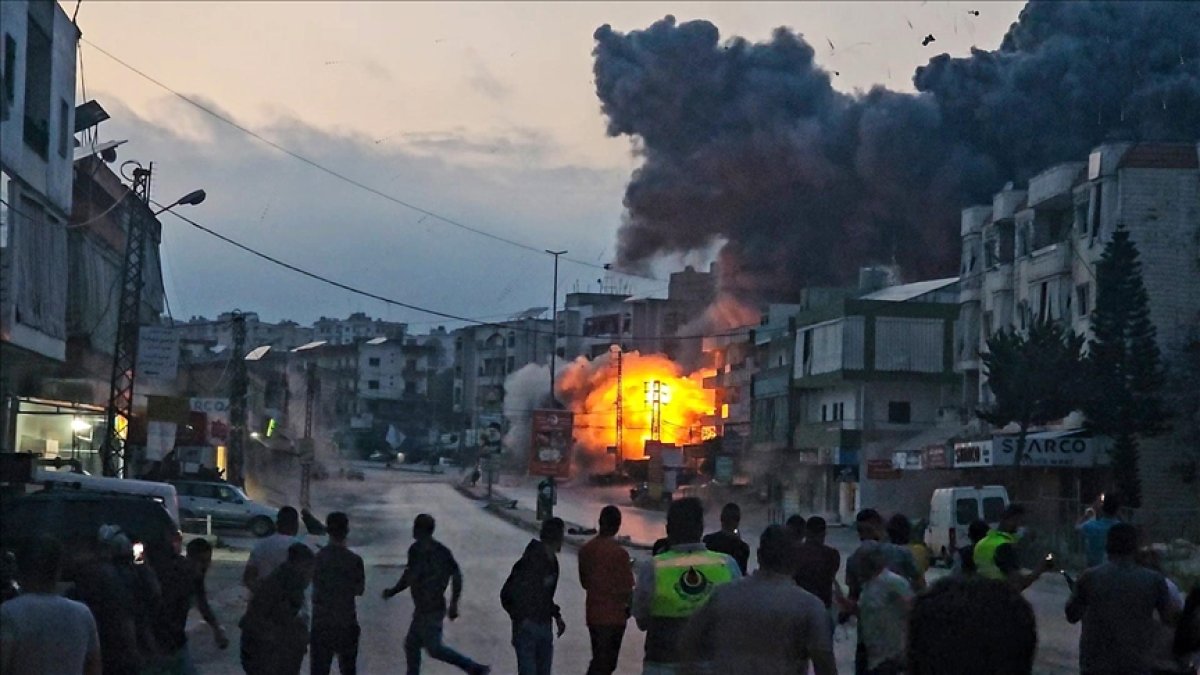
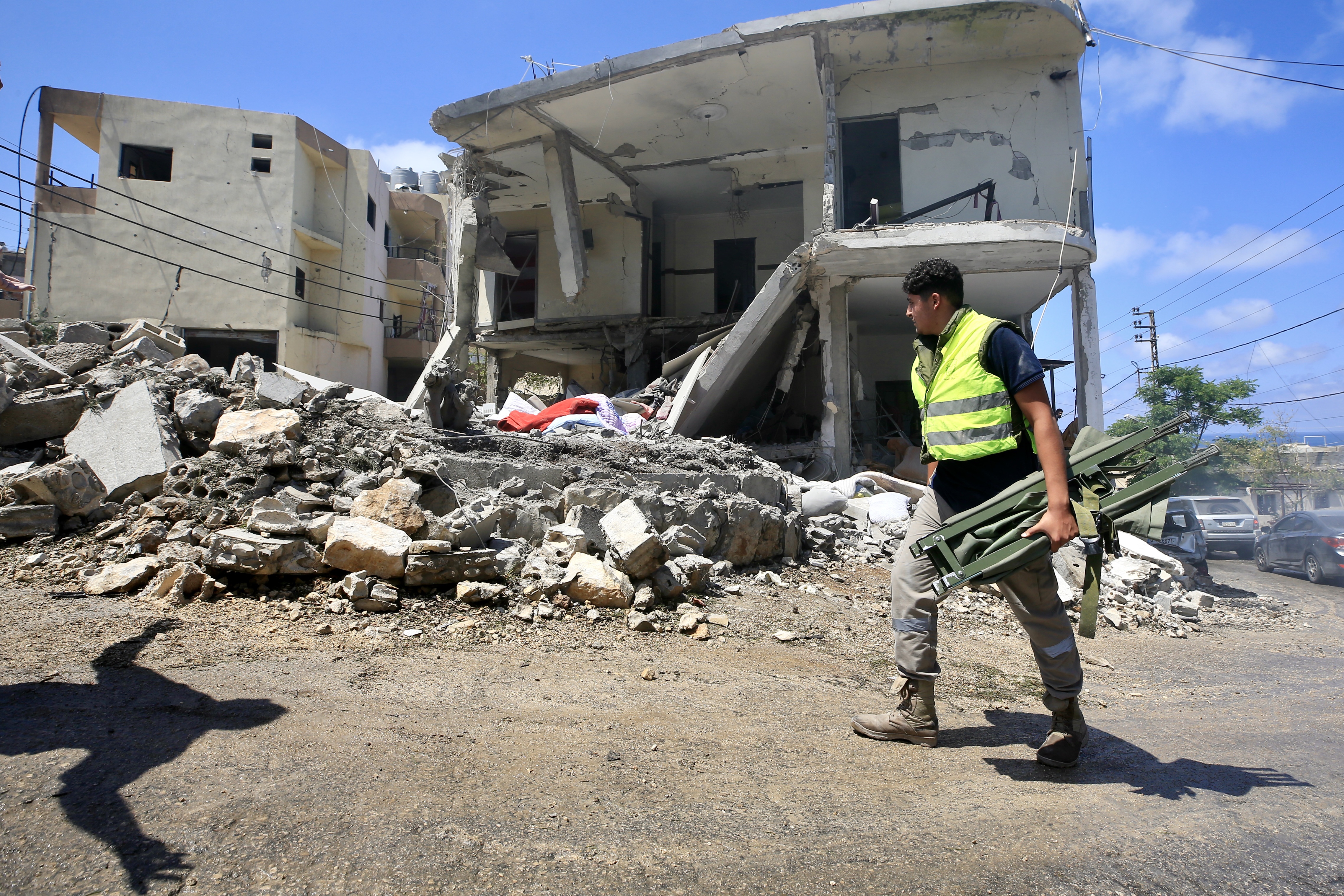
The Russian Defense Ministry did not specify which infrastructure targets were struck by its forces on Sunday, naming only the categories — fuel, transport, port, energy, drone launch sites. The gap between category and target is where the war’s real damage accumulates, city by city, district by district, mostly out of the press cycle unless a plant burns visibly or a civilian toll is large enough to report. Sunday’s numbers were, by the standards of this war, unremarkable. That is the condition they document.