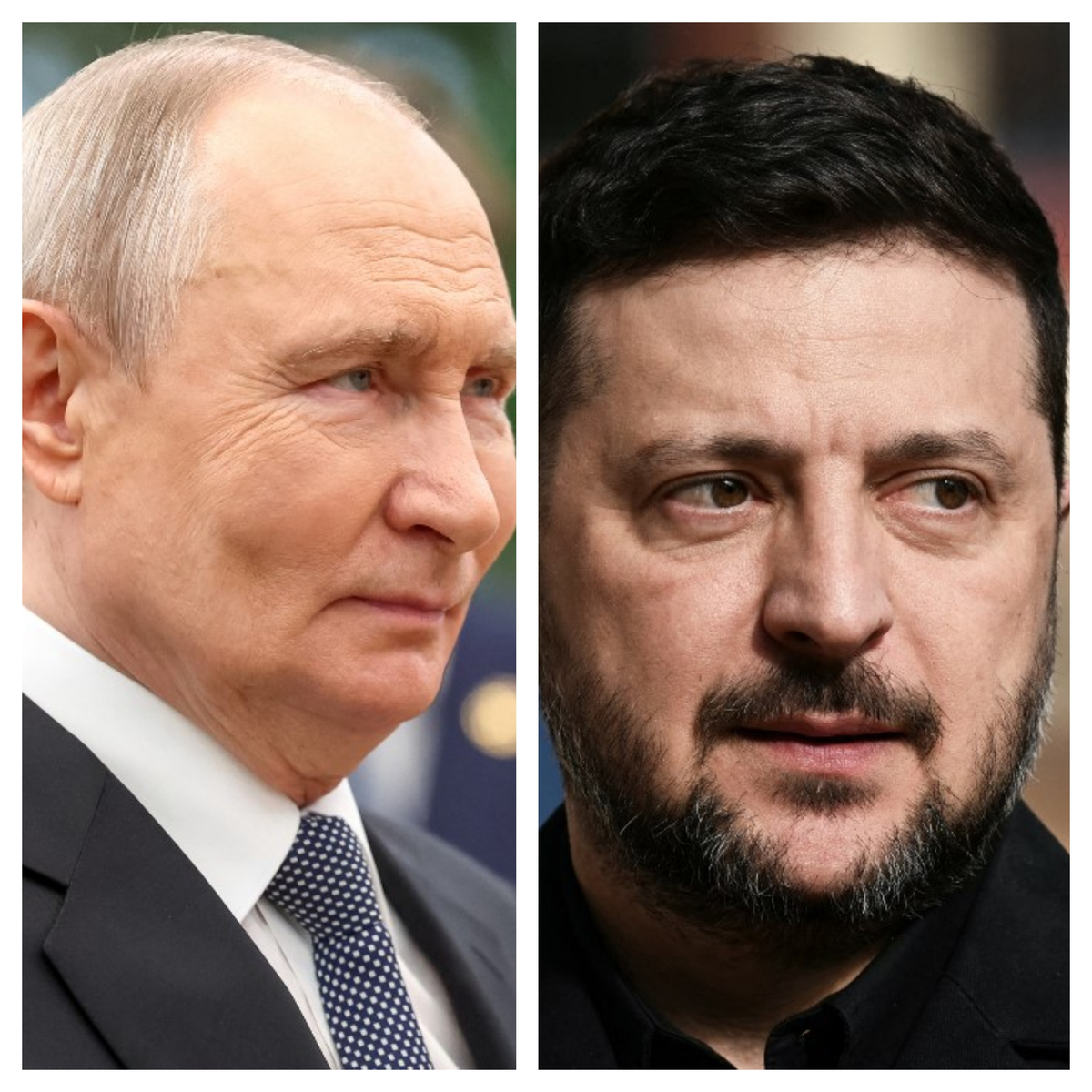
MOSCOW — The back-room contact between Moscow and Kiev is more active than either capital has let on. Kremlin aide Yury Ushakov said Sunday that Russia maintains both open and undisclosed communication channels with the Ukrainian government — a statement that cuts against the public posture of total breakdown following weeks of halted trilateral talks with Washington.
“We have both open and closed [contacts with the Kiev regime]. Open ones existed when we held several rounds of negotiations,” Ushakov told Russian journalist Pavel Zarubin. The distinction matters: Ushakov offered no detail on what the closed channels carry or who operates them, but his willingness to confirm their existence at all represents a departure from the studied silence Moscow has maintained since the Geneva talks stalled in February.
The disclosure came two days after Vladimir Putin used a press engagement at the St. Petersburg International Economic Forum to reveal that an unnamed Russian businessman had been invited to Kiev, met with Zelensky at his residence, and returned to Moscow carrying a personal request for a Putin-Zelensky summit. Putin said he declined, telling reporters he saw no point in meeting that would amount to “pouring from an empty vessel into an empty one.” What Putin did not say — and what Ushakov’s remarks on Sunday now complicate — is that the businessman channel appears to have been one of several simultaneous lines of contact, not an isolated gesture.
The timing is significant. A Ukrainian Verkhovna Rada deputy, Alexei Goncharenko, publicly claimed the businessman in question was billionaire Roman Abramovich, who served as an early intermediary in the 2022 Istanbul negotiations and whose name periodically re-emerges in peace-track reporting. Neither the Kremlin nor Kiev confirmed or denied the identification. Ushakov on Sunday explicitly said he knew of no other businessmen who had traveled to Kiev beyond the one Putin mentioned — which forecloses, at least officially, the possibility that multiple independent missions were underway.
What remains unresolved is what the closed channels are actually producing. Ushakov has separately confirmed that contacts with U.S. special representatives Steve Witkoff and Jared Kushner are ongoing, primarily by telephone, with a visit to Russia by the two envoys being prepared. The trilateral track — Washington as broker between Moscow and Kiev — has been effectively frozen since February, when the Geneva meeting broke down without agreement. Putin’s remarks at SPIEF this week made clear that Russia’s conditions for engagement have not softened: any negotiations must address the status of the Donbas regions Russia claims to have annexed, and any settlement must be durable rather than a pause for rearmament, a reference to Moscow’s characterization of the Minsk agreements.
Against that backdrop, Zelensky’s open letter to Putin — published late Thursday, calling for direct talks to end the conflict — has received a formal non-response from the Kremlin. Spokesman Dmitry Peskov described it as “a few pages of rudeness — and in the end one sentence, to which the Russian side has long given an answer.” That answer, in Kremlin terms: Moscow remains open to talks, but not talks designed to buy time.
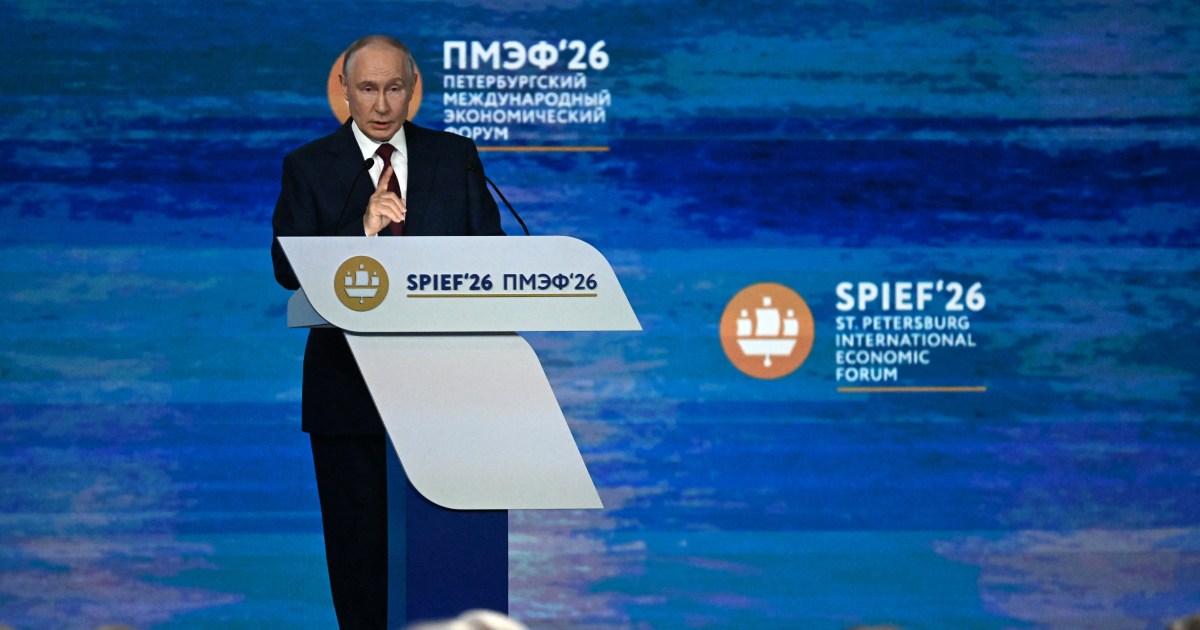
Zelensky’s letter arrived as Putin was seated with foreign journalists at the SPIEF plenary, a juxtaposition that Kremlin officials did not appear to find coincidental. Peskov’s reading of the letter — stripping it down to a single substantive sentence amid what he called rudeness — suggests Moscow has concluded that Kiev’s public overtures are calibrated for Western audiences rather than for the negotiating table. Whether that reading is correct is something neither side can fully verify, which is precisely where the covert channel becomes relevant: it is the only venue in which a response stripped of public posturing could conceivably be delivered.
The configuration that Ushakov described — formal talks suspended, back-channels open, a businessman recently carrying messages between the two leaders — maps closely onto the structure of the 2022 Istanbul process, which nearly produced a framework agreement before collapsing under pressure from Western capitals. That history gives both the Moscow and Kiev camps reason for caution about what the current channels are actually capable of delivering, particularly given the European factor. Ushakov has said separately that Kiev’s negotiating posture is stiffened by “unrestrained support” from European governments, which he described as the primary source of “stubbornness and more negativity” in Ukrainian positions. Europe’s leaders gathered in London this weekend to reaffirm backing for Zelensky, a meeting that will not have gone unnoticed in Moscow as Ushakov spoke.
What the closed channels contain — whether they carry substantive peace proposals, security guarantees, or simply technical coordination on prisoner exchanges and humanitarian corridors — Ushakov did not say. That gap is the article’s honest limit: Moscow confirmed the channels exist; what moves through them remains, for now, undisclosed.