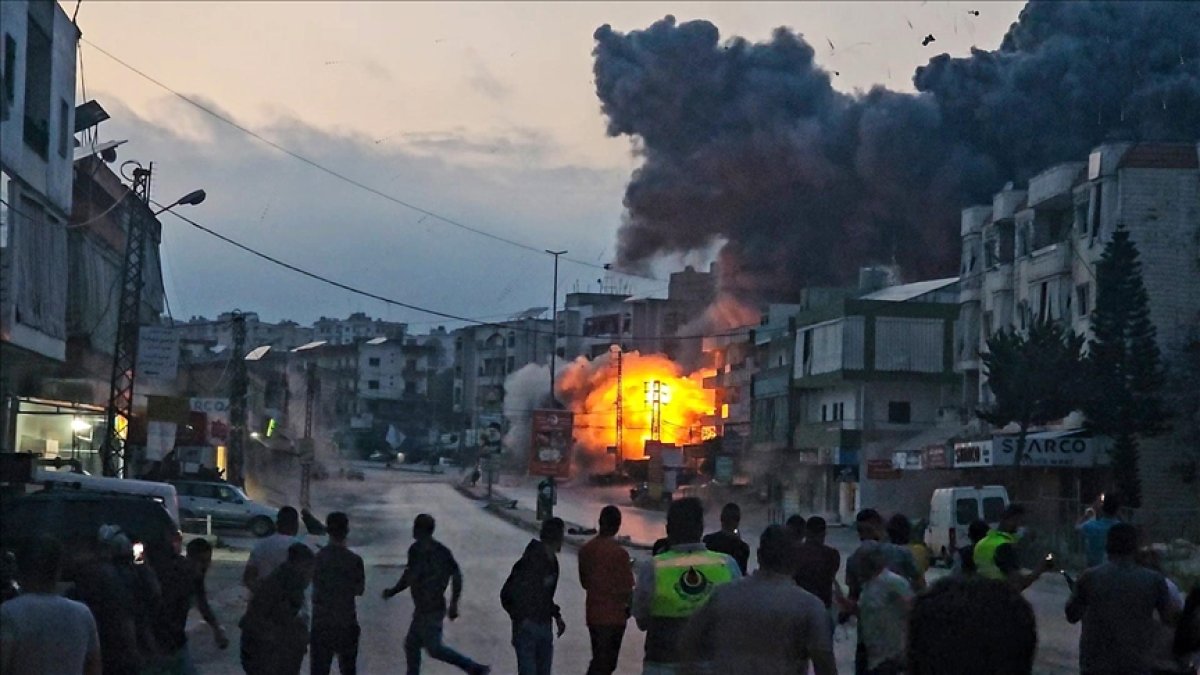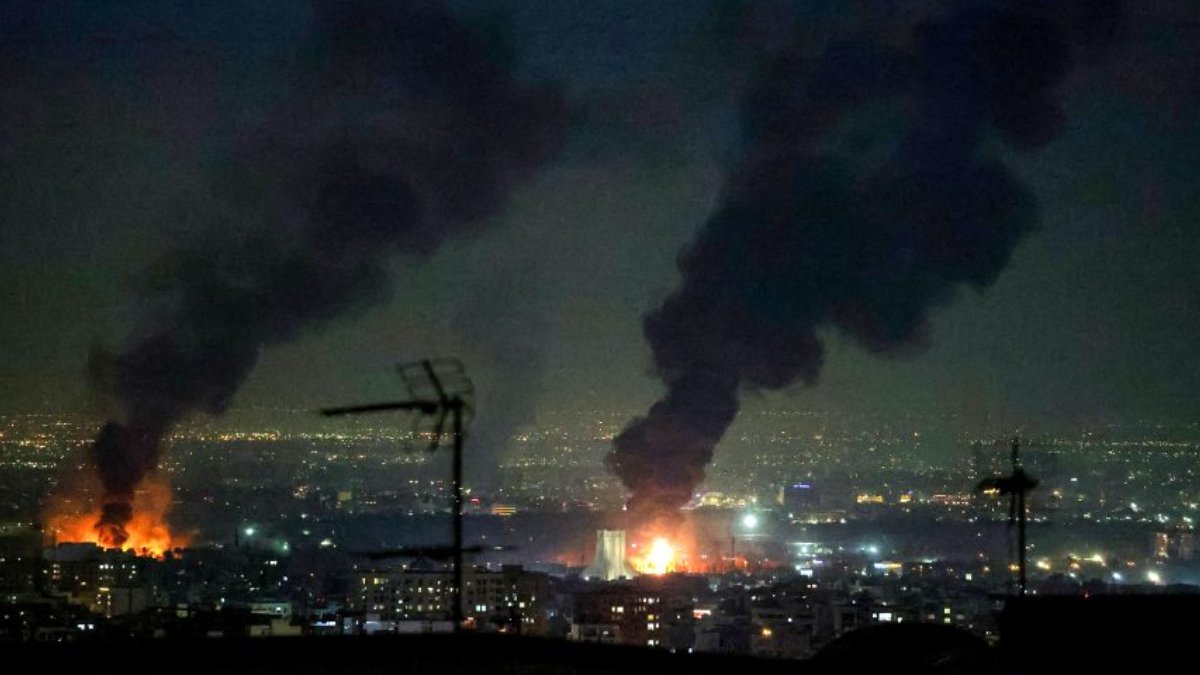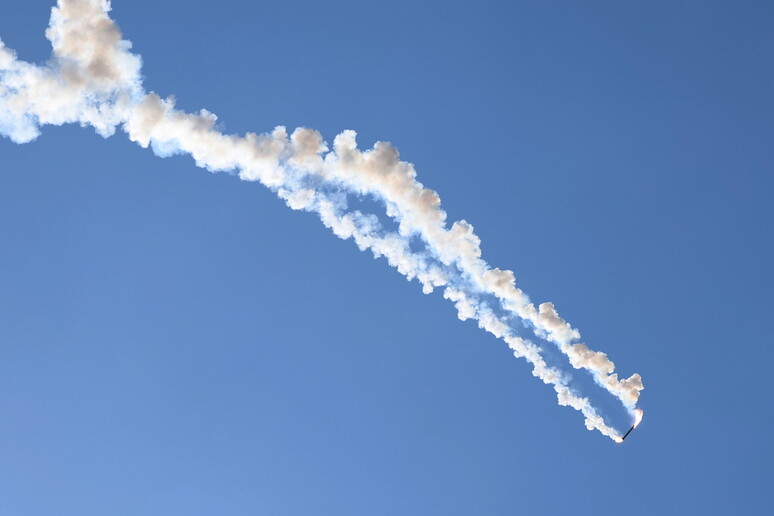
BEIRUT — The smoke had not finished rising from the last round of strikes on Dahiyeh when the next order came down. On Sunday afternoon, Israeli forces hit what the Israeli military described as Hezbollah terrorist command centers in the southern Beirut suburb, the second time in less than a week that the neighborhood had been targeted. Prime Minister Benjamin Netanyahu, speaking in the immediate aftermath, offered no ambiguity about what had changed: the strikes, he said, were carried out at his instruction and that of Defense Minister Israel Katz, in direct response to rocket fire Hezbollah launched against Israeli territory earlier in the day.
That sequence — rocket fire from Lebanon, followed by an Israeli strike on Dahiyeh — had been the logic behind the June 1 strikes as well, when Netanyahu first authorized attacks on the neighborhood after declaring that Hezbollah’s ceasefire violations could no longer be absorbed in silence. What Sunday’s strike made clear is that the logic has hardened into a standing doctrine. Dahiyeh, once treated as a political red line whose crossing required specific authorization and American acquiescence, is now a regular target.
The question Israel has not answered publicly is whether that shift represents a tactical calibration or the opening of something structurally different. The November 2024 ceasefire that ended the last major round of fighting was built on a mutual understanding that Dahiyeh would remain outside the active strike zone while Lebanon’s government worked to restrain Hezbollah. That understanding is gone. What has replaced it is not yet defined.
Sunday compounded matters in ways that made restraint politically difficult for Netanyahu. In the hours before the Dahiyeh strike, a terrorist killed one Israeli civilian and wounded four others in Kochav Ya’ir, north of Tel Aviv — a West Bank border community — in what Israeli police described as a terrorist ramming attack. Netanyahu referenced the attack at the opening of his weekly cabinet meeting, calling the attacker someone who “unfortunately succeeded” in killing an Israeli citizen while praising the local security response. The combination of a domestic attack and continued Hezbollah rocket fire gave the prime minister’s afternoon decision a double rationale that his office moved quickly to communicate.
For Hezbollah, the repeated strikes on its Beirut stronghold carry a specific strategic cost that goes beyond the physical damage to command infrastructure. The European Union, which announced a 100-million-euro military aid package to the Lebanese Army on the same day, has been pressing for a framework in which the Lebanese state — not Hezbollah — controls southern Lebanon’s security architecture. Every Israeli strike that hits Dahiyeh without a Lebanese Army response to Hezbollah provocation undermines the political case for that framework. It makes the Lebanese government look either unwilling or unable to serve as the enforcement mechanism the ceasefire requires.
The ceasefire itself has been eroding in measurable increments. Two Israeli soldiers were killed in southern Lebanon earlier Sunday — one in a Hezbollah drone strike, a second in what the military described as a suspected accidental discharge — raising the Israeli military’s fatality count in Lebanon to at least 13 since the ceasefire technically entered force. Hezbollah has maintained near-daily pressure on Israeli positions south of the Litani River while insisting publicly that it is not violating the terms of the agreement, an argument Israeli officials reject entirely.
The IDF’s strikes on Dahiyeh on June 1 were the first time Israeli jets had hit the neighborhood since the ceasefire was declared. Netanyahu framed that strike as a response to what he called repeated and ongoing violations, and said no situation would be allowed in which Hezbollah attacked Israeli cities while its Beirut headquarters remained off-limits. The phrasing was deliberate — it was not a one-time warning but a standing declaration of intent.
https://twitter.com/IsraeliPM/status/1931293884765122858
What distinguished Sunday from the first strike is the absence of an immediate US pushback. The June 1 strikes prompted quiet American concern, with sources familiar with the discussions telling reporters that Washington had made its reservations known through back channels. On Sunday, no such signals were publicly detectable, though the absence of a statement is not confirmation of American support. The Trump administration has consistently positioned itself as aligned with Israel’s right to respond to attacks while urging caution on escalation that could draw in Iran directly — a balance that becomes harder to maintain the more frequently Israeli jets fly over Beirut.
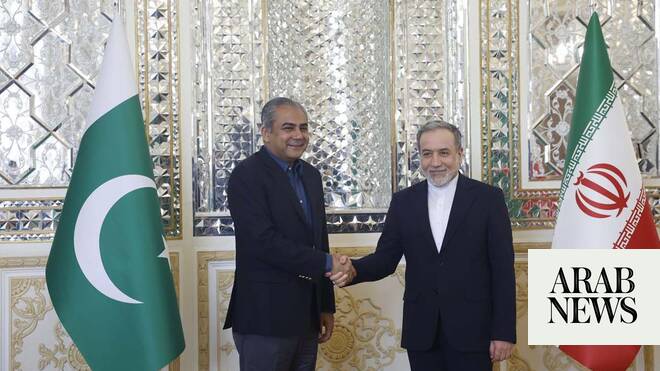
Iran has warned previously that any violation of the ceasefire on the Lebanon front would be treated as a violation across all fronts — language that Foreign Minister Abbas Araghchi posted publicly in early June. Tehran’s position, as articulated then, was that Washington and Israel bore joint responsibility for any breach of the truce. Whether that warning applies to Sunday’s strikes — and whether Iran will act on it — remains the central unanswered question hovering over the rest of the day.
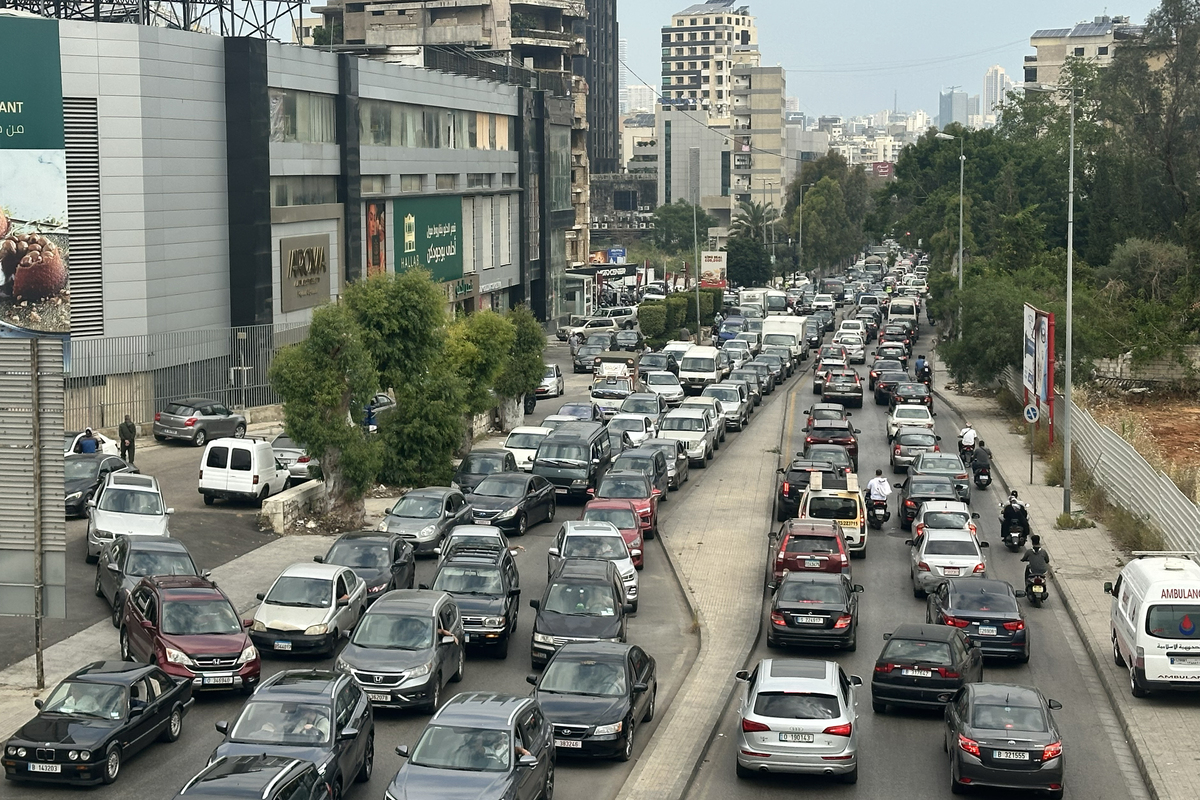
The IDF also issued fresh evacuation orders on Sunday for the Lebanese town of Tyre and its surroundings, and separately destroyed rocket launchers it said Hezbollah had used to fire at northern Israel earlier in the day. The combination of the Tyre warnings, the Dahiyeh strike, and the ongoing ground operations in southern Lebanon suggests an operational tempo that has not meaningfully slowed since the ceasefire was declared — and that shows no indication of doing so.
What the ceasefire has not produced, and what neither side has said clearly, is who decides when it ends.