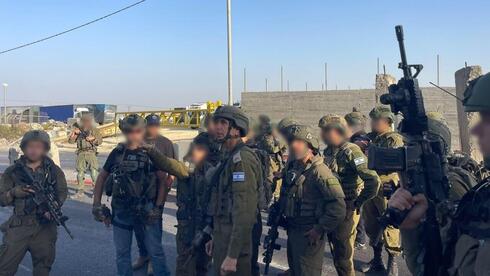

BEIRUT — Cpt. Shahar Gamla did not die immediately. The 23-year-old deputy squad commander in the Commando Brigade’s Egoz Unit was struck by a Hezbollah drone in the hills of southern Lebanon late Thursday. He was evacuated to hospital. He held on through Friday. On Saturday morning, he was gone.
Hours later, the Israeli military announced a second death. Sgt. Ohad Yaari, 21, of the Givati Brigade’s Shaked Battalion, was killed on Friday by what the army described as a suspected accidental firearm discharge. He was from Rehovot. The Military Police opened an investigation. The circumstances, the IDF said, remained under review.
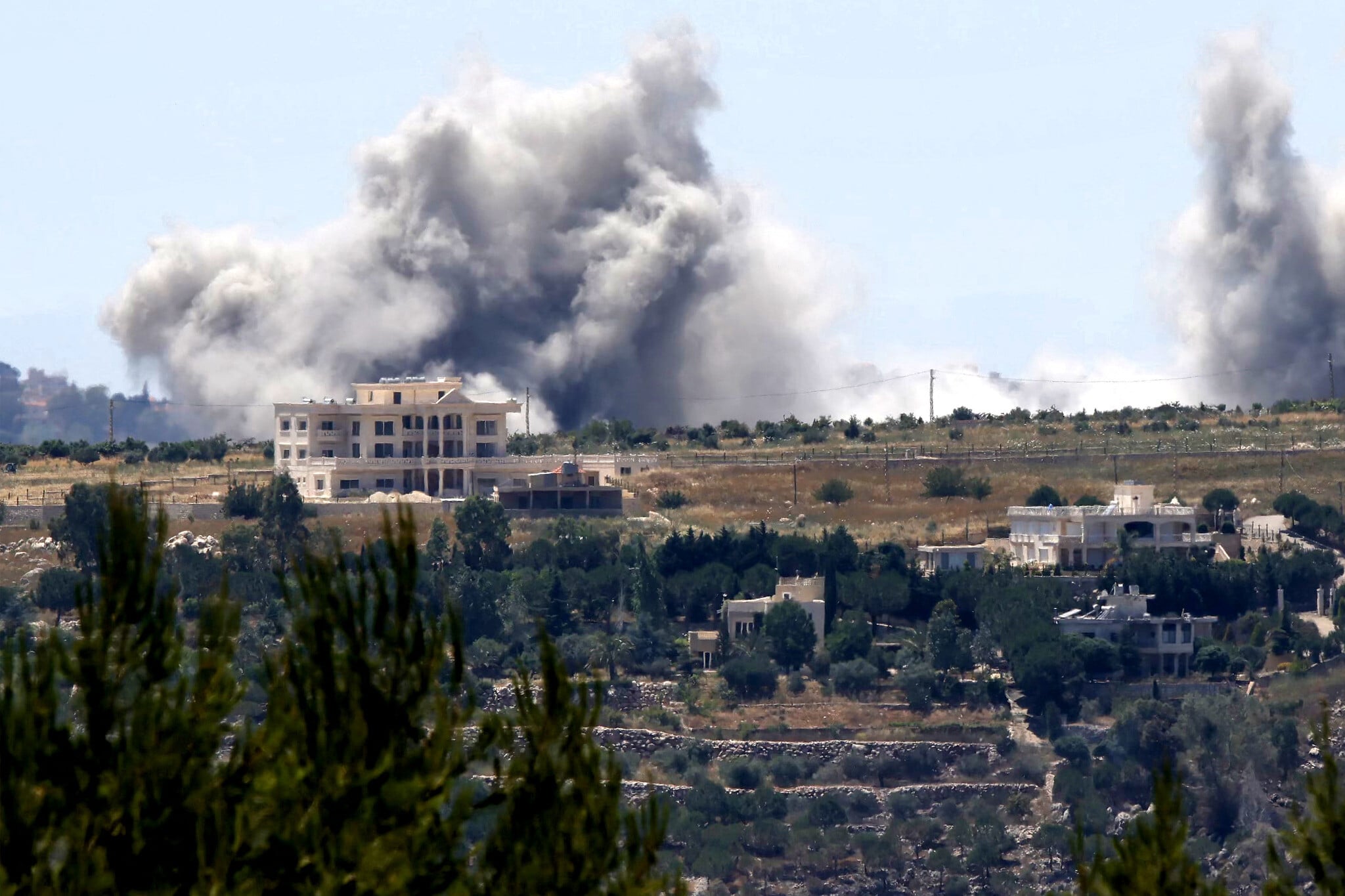
Two soldiers. Two separate incidents. One weekend. The losses came as the Israeli military said it had struck approximately 150 Hezbollah infrastructure sites across southern Lebanon over the same period — weapon depots, command centres, rocket launchers, staging positions. The numbers on both sides are now accumulating in what no longer resembles a military operation with a defined end, and what has not yet been formally declared a war of indefinite occupation.
A conditional ceasefire, brokered by the United States and announced this week in Washington, is supposed to end this. Lebanese and Israeli envoys signed on to it. Hezbollah was not at the table and has rejected it outright, with its leader Naim Qassem calling the terms a surrender arrangement. The group demanded a full Israeli withdrawal from Lebanese territory as the price of silence — a demand Israel has shown no indication of meeting.
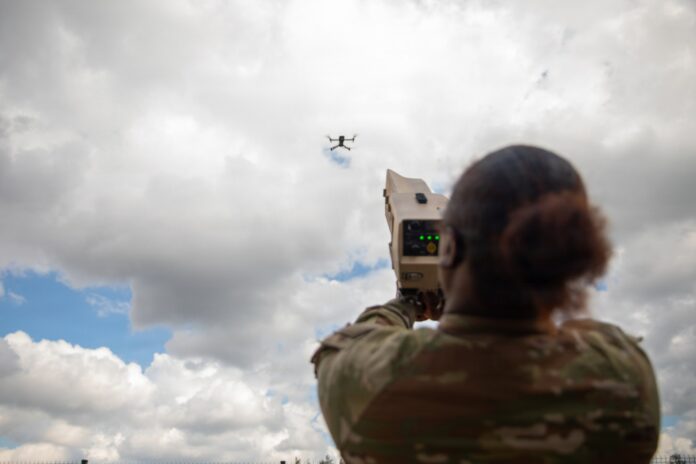
The IDF said it struck 150 Hezbollah targets across southern Lebanon over the weekend. Hezbollah, for its part, said its fighters hit a Merkava tank at an Israeli outpost near Bint Jbeil using an Ababil swooping drone. Sirens continued sounding in northern Israel throughout Saturday amid ongoing drone incursions. One drone struck near Israeli forces in southern Lebanon late Saturday night; the army said no injuries resulted.
The April 17 ceasefire that was supposed to end this phase of fighting has never been fully honoured. Each side has blamed the other for violations and used those accusations to justify further strikes. The Washington agreement reached this week was meant to be different — requiring Hezbollah to halt fire, withdraw from Israeli border areas, and allow the Lebanese army to deploy to new “pilot zones” where it would exercise exclusive control. It has yet to take effect.
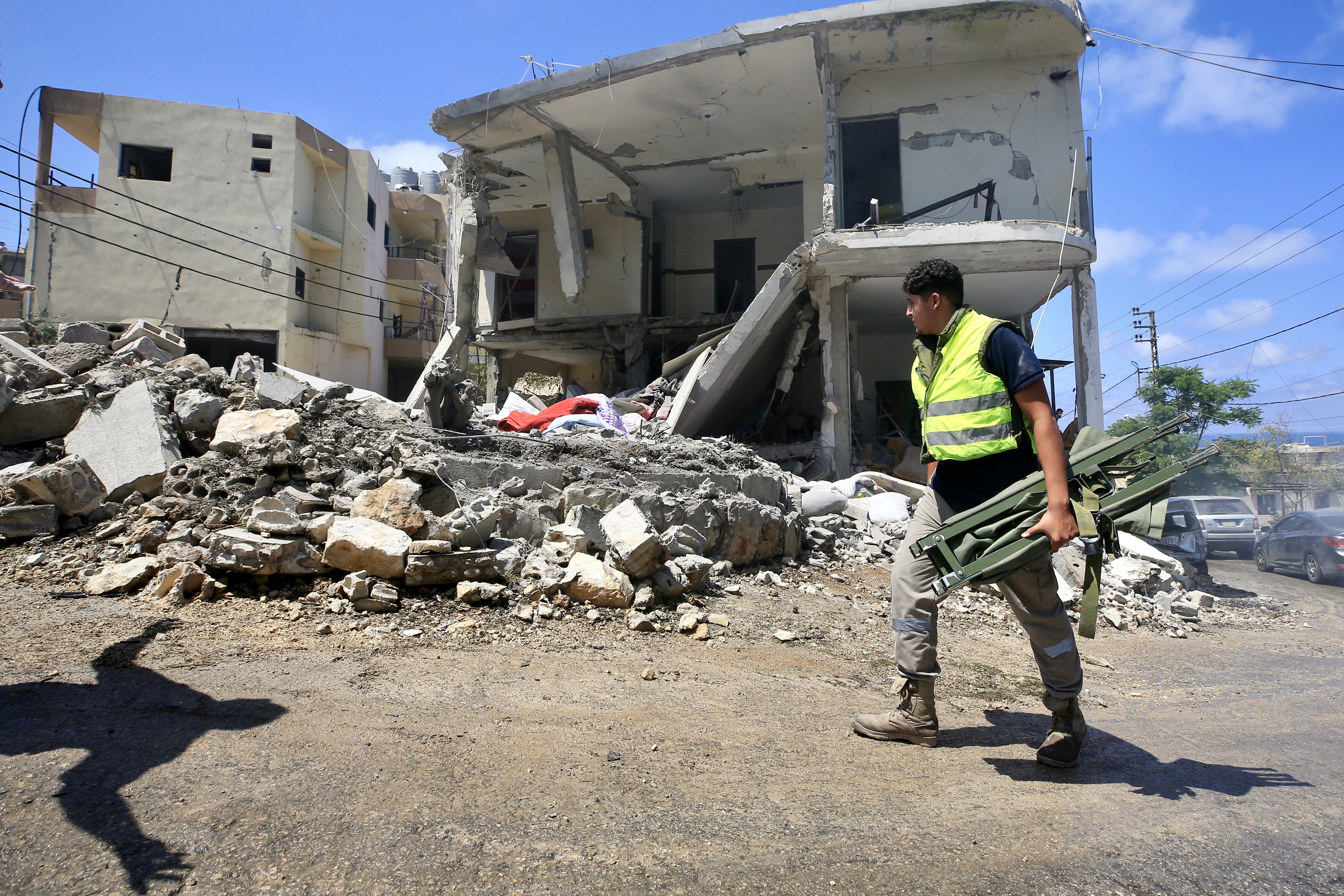
Into this already unsettled picture came another Israeli strike on Saturday that the Lebanese military said it had not been warned about. A vehicle carrying Brigadier General Wassam Sabra, Captain Elie Khoury, and soldier Hussein Ghozal was struck on the Khardali-Nabatieh road. All three were killed. The Israeli army acknowledged the strike, said the road ran through an active combat zone, and noted that movement in such areas requires prior coordination with Israeli forces. It said the incident was under investigation.
The Lebanese army’s statement afterwards was careful but pointed. The strikes, it said, were aimed at “thwarting all efforts to reach a solution.” President Joseph Aoun called the attack a “flagrant violation of Lebanese sovereignty.” Prime Minister Nawaf Salam described it as a heinous crime. Hezbollah, too, condemned the killing of the Lebanese soldiers — though it directed its broader anger at Beirut’s government, accusing Lebanese officials of “complete surrender” to Israeli demands in Washington.
This places Lebanon’s central government in the sharpest bind it has faced since March. Its military is being struck in transit on its own roads. Its president is negotiating a ceasefire with Israel that Hezbollah calls capitulation. And the political pressure to show accountability for these deaths runs directly against the practical absence of any instrument through which Beirut can compel Israel to stop.
The Washington agreement reached this week excluded Hezbollah entirely, a structural problem that its architects have not fully explained. A ceasefire that one of the two primary armed actors has rejected before it begins is a diplomatic document, not an operational reality. It is not yet clear whether Aoun’s government has a plan for the gap.
Meanwhile, the Lebanese army chief, General Rodolphe Haykal, left Beirut on Saturday for Islamabad, where he was due to meet Pakistan’s Field Marshal Syed Asim Munir, the military’s most senior officer. A source with knowledge of the visit told AFP it was connected to Pakistan’s ongoing mediation between Washington and Tehran — the broader regional negotiation into which Lebanon’s crisis has been folded. Iran, which has insisted that any US deal must include provisions for Lebanon, has become one of the ceasefire’s silent arbiters, even as President Aoun has publicly called on Tehran to stop treating his country as a pawn.
“They are using Lebanon as a bargaining chip in their negotiation with the United States. It’s unacceptable,” Aoun said in a CNN interview that aired Friday. Iranian Foreign Minister Abbas Araghchi responded quickly on Saturday, dismissing the framing. Had Lebanon been a bargaining chip, Araghchi wrote, a deal would already exist. “Save Lebanon from your real foe, Mr President,” he added.
None of this answers the more immediate question of how a 23-year-old special forces officer and a 21-year-old infantryman both died in Lebanon within 48 hours of a ceasefire announcement — one from a precision drone strike, one from what may have been an accident in the chaos of an active ground operation. Since declaring all of southern Lebanon a combat zone, Israel has maintained a near-continuous operational tempo that has shown no sign of scaling back ahead of any diplomatic agreement.
According to Al Jazeera, more than 50 Lebanese army soldiers and officers have been killed since the conflict began on March 2. Saturday’s deaths, including a general, represented the highest-ranking losses the Lebanese military has suffered in a single incident. At least 3,558 people have been killed and 10,870 injured in Israeli strikes across Lebanon since March, according to Lebanon’s Health Ministry — figures that have continued to climb through every announced ceasefire.
Whether the Washington framework can survive Hezbollah’s rejection, Israel’s continued strikes, and the mounting toll on the Lebanese state’s own military remains the central unresolved question — one that diplomats in Washington, Beirut, and Islamabad are working on simultaneously, without any clear indication that the parties most directly firing at each other have agreed to stop.