
TEHRAN – What happened on Monday could not be mistaken for routine diplomacy. Iranian Foreign Minister Abbas Araghchi did not issue a protest note or summon an ambassador. He posted a public warning – direct, numbered, addressed to Washington as much as to anyone reading it – that the ceasefire between Tehran and the United States means what Tehran always said it meant: a halt to hostilities on every front, Lebanon included.
“The ceasefire between Iran and the US is unequivocally a ceasefire on all fronts, including in Lebanon,” Araghchi wrote on X. “Its violation on one front is a violation of the ceasefire on all fronts. The US and Israel are responsible for the consequences of any violation.”
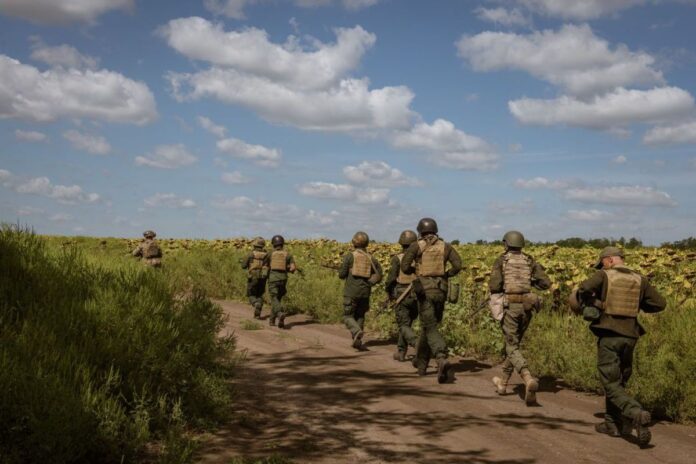
The statement arrived on the same day that Israeli Prime Minister Benjamin Netanyahu ordered strikes on the Dahiyeh district of southern Beirut, declaring that Hezbollah’s “terrorist headquarters” could no longer remain off-limits after what he called repeated truce violations by the group. Israeli ground forces had already reached their deepest point inside Lebanon in 26 years the previous day. The IDF simultaneously issued Arabic-language displacement orders to residents of Dahiyeh, a neighbourhood home to roughly 200,000 people.
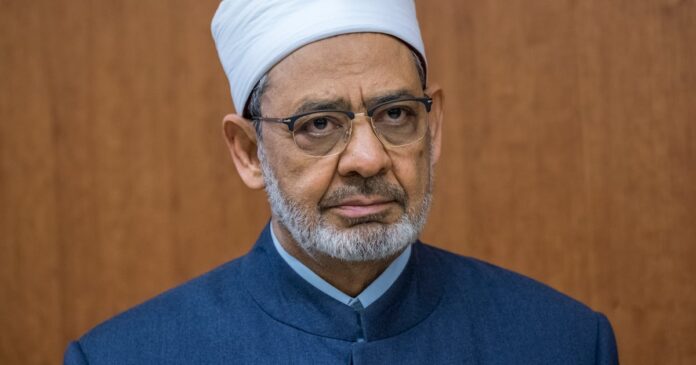
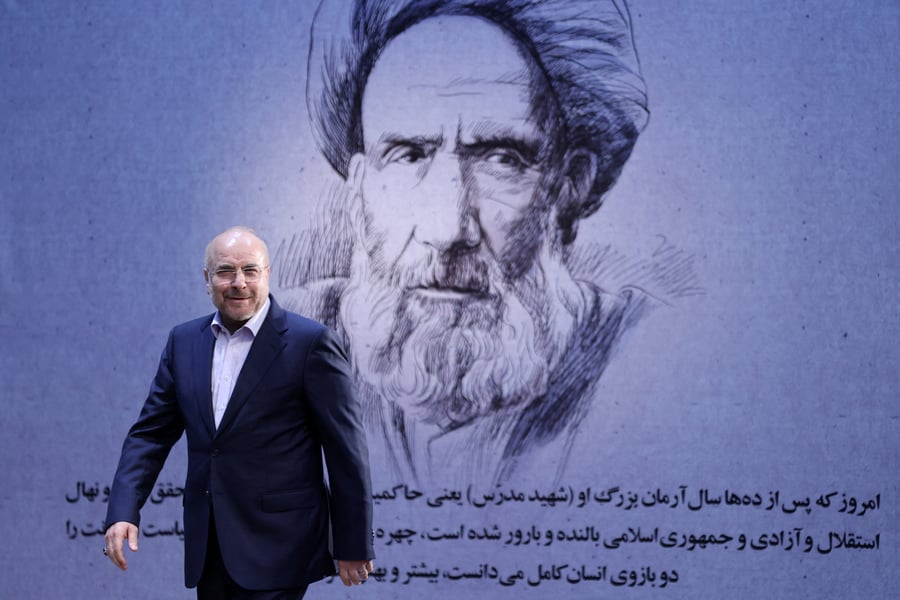
Araghchi’s warning was not a lone voice. Parliament Speaker Mohammad Bagher Ghalibaf, who also serves as Iran’s chief nuclear negotiator, framed the same argument with sharper language. The US naval blockade of Iranian ports, he wrote on social media, together with Israel’s expanding campaign in Lebanon, amounted to clear American non-compliance with the ceasefire. “Every choice has a price, and the bill comes due,” Ghalibaf added.
What makes Monday’s declarations significant is not the rhetoric – Tehran has warned Washington before – but the institutional weight behind them. Two of Iran’s most senior officials, one responsible for foreign policy and one leading the nuclear file, delivered the same message within hours of each other. Whether that coordination signals a shift in negotiating posture, or amounts to public positioning ahead of the next round of talks, remains unclear. What Tehran has not said is that talks are finished.
The backdrop is a conflict whose geography keeps moving. Iran earlier suspended the exchange of draft texts with Washington through their Pakistan-mediated channel, citing Israeli operations in Lebanon as the direct cause. The Iranian semi-official Tasnim news agency, broadly understood to reflect IRGC thinking, reported Monday afternoon that no further message exchanges would occur until Israeli military action in Gaza and Lebanon stopped. The IRGC’s own intelligence organisation subsequently warned that “Iran considers crossing the red lines in Lebanon and Gaza to mean direct war.”
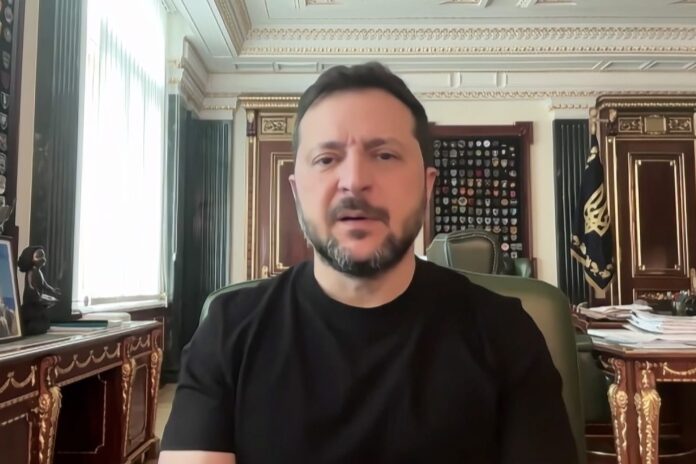
Trump did not appear to disagree that the situation had become dangerous. Within hours of Araghchi’s post, the US president wrote on Truth Social that he had spoken directly with Netanyahu and secured assurances that Israeli troops advancing toward Beirut had been turned back. Trump also claimed to have spoken with Hezbollah through “highly placed representatives” – a characterisation that immediately raised eyebrows, given that the United States officially designates Hezbollah a foreign terrorist organisation. No further details were offered about who those representatives were.
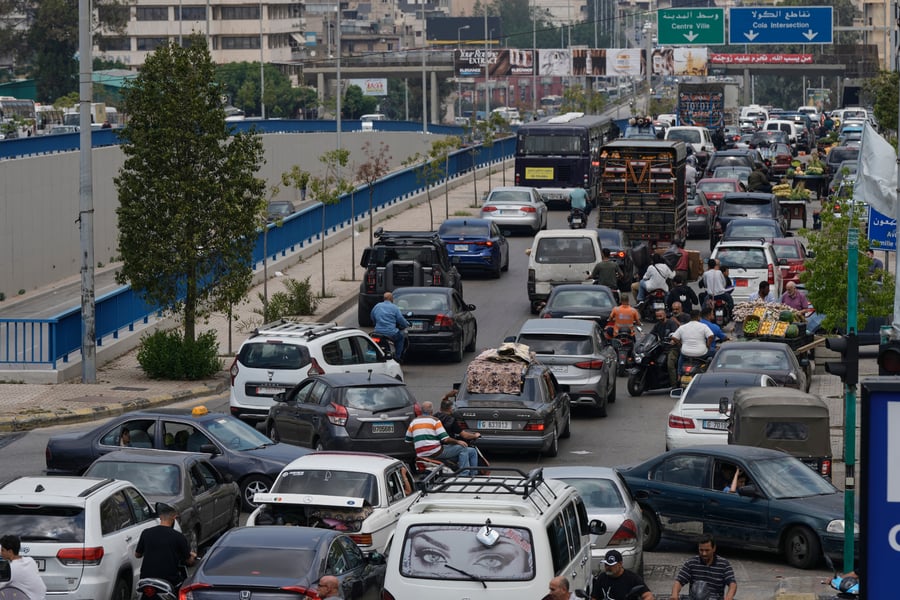
The gap between the US and Iranian positions on Lebanon is not new; it is structural. Washington has argued throughout the negotiations that the ceasefire it brokered with Tehran applies only to the Iran-Israel conflict, and that Lebanon represents a separate track requiring separate arrangements. US officials have been hosting Lebanese and Israeli delegations in parallel to the Iran talks. Iran has refused that framing from the beginning – and Araghchi restated Monday, with deliberate precision, that the framing has not changed.
The consequences of that disagreement have been visible in the numbers for weeks. An April ceasefire agreement between Israel and Lebanon brokered by the United States established a 10-day truce, later extended three weeks by Trump. Both Iranian and Lebanese officials have said that agreement has been violated repeatedly by Israeli ground forces and airstrikes, most recently by the occupation of Beaufort Castle in southern Lebanon on May 31. Israel frames those same operations as legitimate counterterrorism actions against a group that has continued firing toward northern Israeli towns.
None of the key variables appear close to resolution. The proposed 60-day US-Iran framework that Trump has been weighing hinges on Iran reopening the Strait of Hormuz, through which roughly a fifth of the world’s oil once flowed. Tehran has linked reopening the strait to the unfreezing of Iranian assets abroad and, increasingly, to visible US pressure on Israel over Lebanon. Washington has insisted on sequencing that runs in the opposite direction. Each side is, in effect, holding the other’s priority hostage.
What the next 24 hours reveal – whether the suspension of message exchanges holds, whether Israeli operations in Lebanon continue or pause, whether Trump’s claimed call with Hezbollah produces any measurable change on the ground – will say more than any ministerial post. Araghchi has been careful not to call Monday a breakdown. He called it a warning. The two are not the same thing yet.