
WASHINGTON — President Donald Trump is taking his time with a deal that could pause the war with Iran, telling advisers he wants a few more days and firm assurances from Tehran before he signs a document that negotiators on both sides spent weeks assembling.
The framework, described by officials as a memorandum of understanding, would extend the fragile ceasefire between the two countries for 60 days, reopen the Strait of Hormuz to commercial shipping and clear the way for formal talks on Iran’s nuclear program. United States sources confirmed the broad terms to Al Jazeera, which reported that the White House had accepted the outline while the president weighed final approval.
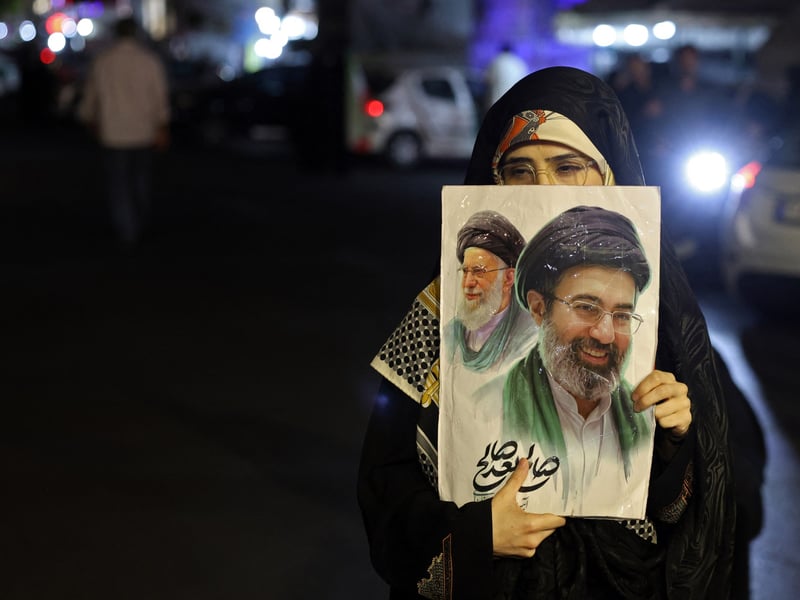
What the agreement does not yet carry is Trump’s signature, and on Friday it was unclear when, or whether, it would. Officials familiar with the negotiations said the president wanted definitive word that Iran’s supreme leader, Ayatollah Mojtaba Khamenei, had endorsed the text before committing. Tehran signaled it was waiting on Washington in turn. Iran’s chief negotiator said no step would be taken before the other side acted, leaving the two governments circling each other even as the shape of a settlement came into focus.
The caution follows a week that nearly buried the diplomacy. American and Iranian forces traded fire near the Strait of Hormuz, each accusing the other of breaking the truce. Days earlier, Iran fired a ballistic missile toward Kuwait that was intercepted by Kuwaiti air defenses, an episode US Central Command called a flagrant ceasefire violation. The exchanges rattled a truce that has held, unevenly, since the spring.
Then, on the same day the outline of a peace deal emerged, Washington tightened the financial screws. The State Department and the Treasury Department announced fresh sanctions on Iran’s oil trade, targeting eight vessels accused of carrying Iranian crude and petroleum products to global markets, the State Department said in a fact sheet. The designated ships included the Marshall Islands flagged tanker Flora and the Panama flagged Ill Gap. “We will not allow the Iranian government to increase its oil revenue for the purpose of reconstituting its armed forces and military capabilities,” Treasury Secretary Scott Bessent said in a statement.
The timing underscored a strategy the administration has pursued throughout the conflict: pressure and negotiation at once. At a White House briefing, Bessent tied the outcome to the president alone. “Everything depends on what the president wants to do,” he said, adding that Trump “is not going to make a bad deal for the American people.”
Vice President JD Vance struck a more upbeat note, saying a couple of language points were still being resolved but that the two sides were making progress. Trump himself has swung between encouragement and threat. “Iran is very much intent, they want very much to make a deal. So far they haven’t gotten there. We’re not satisfied with it, but we will be,” he told reporters at a cabinet meeting, according to Euronews, adding that he was in no hurry and would otherwise have to finish the job.
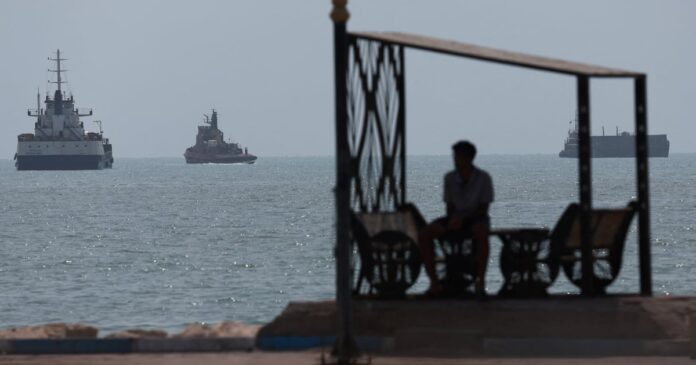
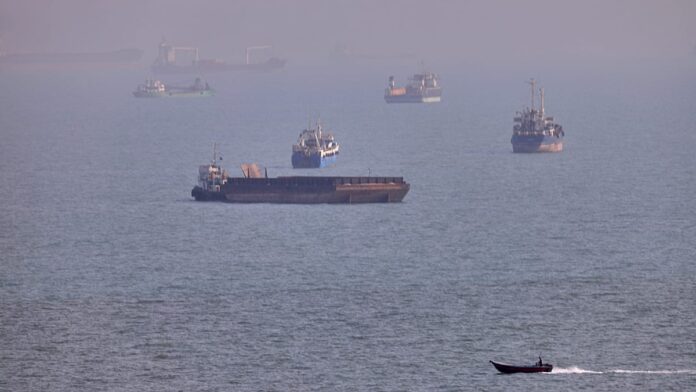
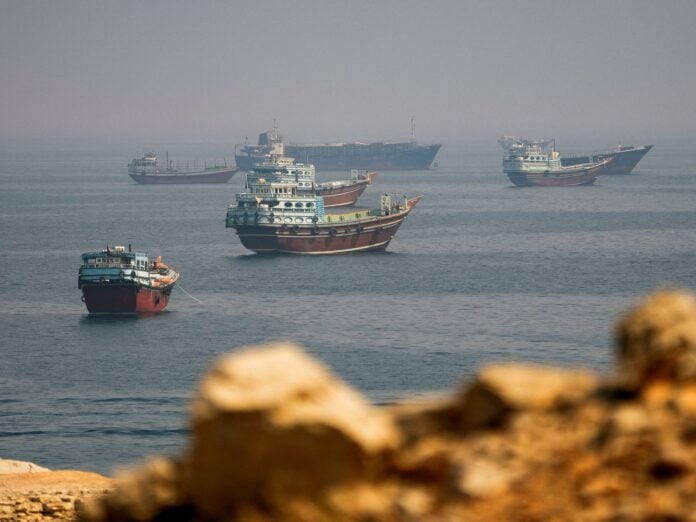
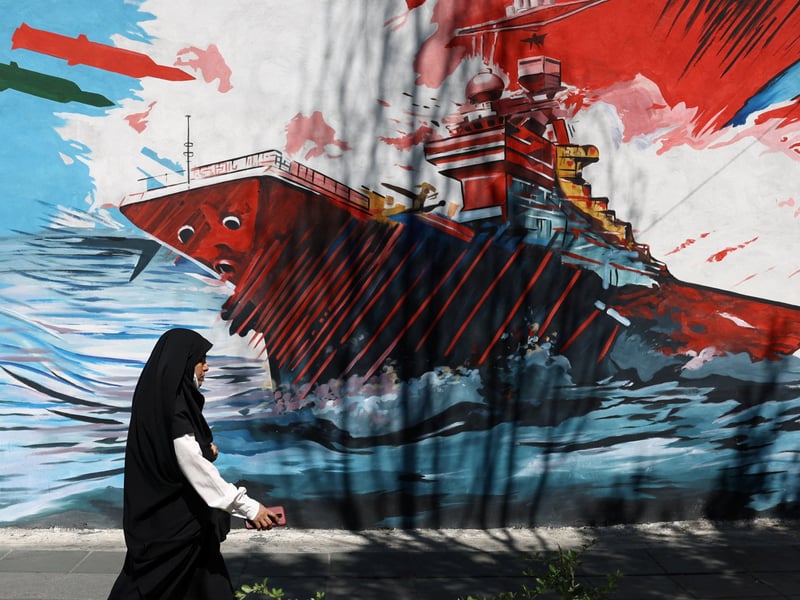
The Strait of Hormuz sits at the center of the bargain. The waterway, through which roughly a fifth of the world’s oil normally moves, has been largely closed to international shipping since the war began on February 28. Its closure pushed energy prices higher and tangled global supply chains. Under the proposed deal, vessel traffic would be unrestricted and the United States would lift its naval blockade of Iranian ports.
Tehran has claimed a measure of control over the passage, insisting it be managed jointly with Oman because the strait runs through both countries’ territorial waters. Washington has rejected any Iranian tolling system, and Bessent this week warned Oman it could face sanctions if it helped Iran collect transit fees. Iran’s Revolutionary Guard said it was exercising what it called smart control of the strait, claiming that 26 commercial and oil tankers had passed in a single 24 hour stretch after coordinating with a newly formed maritime authority.
The harder questions remain for the talks the memorandum would open. Iran has refused to bend on uranium enrichment, sanctions relief or its claims over Hormuz. Trump has insisted the country’s entire nuclear program be dismantled, while Tehran maintains its right to enrich uranium domestically under the Nuclear Non-Proliferation Treaty. Washington also wants limits on Iran’s missile and drone production, a subject Iranian officials have ruled out discussing.
Diplomacy has leaned heavily on Gulf intermediaries. Trump telephoned the emir of Qatar, Sheikh Tamim bin Hamad Al Thani, to discuss the situation in the region, the Qatari government said, part of a mediation effort that has drawn in several of Washington’s Arab partners. A shadow over the talks is Lebanon, where Israel has intensified its bombardment of the south and struck Beirut this week. Iran has said any durable truce must account for Lebanon, a demand the United States has resisted folding into the Hormuz framework.
In Tehran, the mood was wary. A member of the Iranian parliament’s national security committee, Fada Hossein Maleki, told the ISNA news agency that much of Iran’s proposals had been accepted, but said the sticking point was trust. “The only concern is the unpredictability of Trump and the lapses in commitments that we have witnessed so far from the United States,” he said.
Markets read the diplomacy as cause for cautious optimism. European shares rose as investors bet that an extension of the truce and a reopening of Hormuz could be finalized soon. For now, though, the deal exists on paper and in the accounts of officials, not in a signed text.
And so the war pauses on a question of timing and trust. Trump wants Tehran to move first. Tehran wants Washington to move first. A 60 day clock that has not yet started ticking hangs over a region that has spent three months waiting for the fighting to stop.