SYDNEY — The number on the Australian Communications and Media Authority’s blocklist passed 1,700 last month. Six more sites — Play Jonny, ACO96, TCL99, Waboom77, Wonaco, and WooSpin — were added in May after the regulator found them operating in breach of the Interactive Gambling Act 2001. More than 230 offshore services have since voluntarily exited the Australian market. And yet, by the regulator’s own accounting, the problem is not shrinking.
Research cited by Responsible Wagering Australia, drawing on Gambling Capital data, estimates that illegal offshore gambling may account for roughly 15 percent of Australia’s total gambling market. That translates to potential product-fee losses of up to AU$1.6 billion for the racing and sports industries between 2022 and 2027, and lost tax revenue of approximately AU$1.3 billion over the same period. The ACMA is adding sites to its blocklist faster than it is removing the commercial incentive to build new ones.
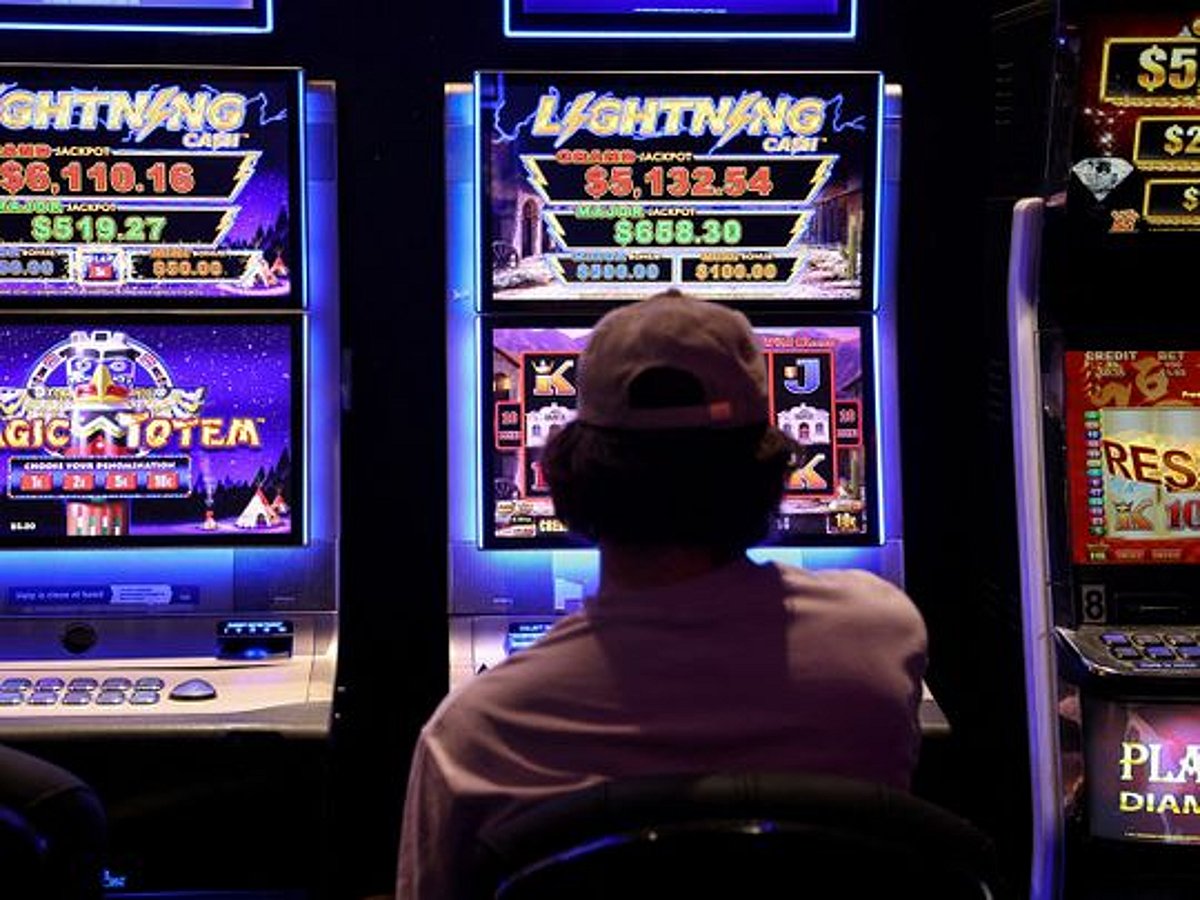
The contradiction is structural. Under the Interactive Gambling Act, it is illegal for offshore operators to supply online casino games to Australians. It is not illegal for Australians to play them. That asymmetry — targeting supply while leaving demand entirely unaddressed — has defined Australia’s regulatory approach for nearly a quarter century, and it is the gap through which a billion-dollar grey market continues to operate.
The federal government’s April 2026 reform package represents the most aggressive attempt yet to close that gap, though critics note it still does not touch the demand side. Announced on April 2, the package commits AU$112.7 million to harm-reduction programs, bans gambling advertisements during live sport broadcasts between 6:00 AM and 8:30 PM, prohibits celebrity and athlete endorsements, and outlaws online keno products nationwide. A full advertising prohibition across all broadcast and digital media is scheduled for October 2027, the Department of Infrastructure confirmed. The Interactive Gambling Amendment (Stop the Gambling Ads) Bill 2026 is currently before Parliament.
What the package does not do is make it any easier for the ACMA to reach the offshore operators it cannot physically compel to comply. The regulator’s enforcement toolkit was, however, significantly sharpened by companion legislation that took partial effect in March 2026. Under the new framework, the ACMA can now require internet service providers to implement DNS-level blocking within 48 hours of an order, down from the previous 30-day window. More significantly, the authority can now compel payment processors to block transactions with unlicensed operators — a financial-layer intervention that website blocking alone cannot replicate.
AUSTRAC, the financial intelligence agency responsible for anti-money laundering compliance, has already issued compliance notices to three mid-tier licensed operators for failing to meet the March 2026 AML/CTF implementation deadline. Under the updated anti-money laundering framework, licensed wagering operators must file suspicious matter reports within 24 hours, implement real-time transaction monitoring, and verify source of funds for deposits exceeding AU$1,000. Those requirements apply to the licensed sector. Offshore operators, by definition, answer to none of them — an enforcement gap that the payment-blocking powers are intended, at least partially, to address.

The March 2026 blocking round illustrated both the scope and the limits of the current approach. Eight sites were added — including Frumzi, Great Win, and MyStake — following investigations that identified a strategic shift toward smaller, harder-to-detect operations. Unlike earlier enforcement waves that focused on recognisable offshore brands, these platforms had been reaching Australian gamblers primarily through affiliate marketing pipelines and social media advertising, according to Bright Side of News, which reviewed the enforcement action in detail. Affiliate websites make up a significant portion of the 1,708 blocked addresses — not just casino operators themselves, but the promotional infrastructure that funnels traffic toward them.
The ACMA has also been coordinating with overseas licensing bodies — including the Malta Gaming Authority and the UK Gambling Commission — to pursue operators that hold licences in other jurisdictions while illegally serving Australian players. In parallel, the regulator now works with border protection agencies to place directors and principals of offending offshore operators on a movement alert list, effectively barring them from entering Australia. That cross-border architecture is new, and its deterrent effect on the operators who actually run the sites listed in affiliate content — platforms like those promoted on offshore-facing review sites — remains to be tested.
BetStop, the National Self-Exclusion Register that launched in August 2023, sits at the other end of the enforcement spectrum. Where site-blocking targets supply, BetStop is the one tool aimed at protecting individual gamblers who are already in the market. In January 2026, the ACMA found six wagering providers in breach of self-exclusion rules for failing to adequately identify and protect people who had registered. Harris Bookmaking Pty Ltd, trading as Chasebet, received a formal warning in early 2026 for failing to adequately promote the register. The licensed sector, in other words, is not uniformly compliant with the consumer-protection obligations that make it distinct from the offshore grey market in the first place.
The government’s 2026 package does address BetStop: one strand of the reform commits to strengthening the register’s operation and extending its obligations to additional classes of licensed operators. It also moves to criminalise match-fixing offences consistently across all Australian jurisdictions — a measure aimed at reducing the attractiveness of Australian sport as a target for criminal networks, some of which overlap with the offshore gambling ecosystem the ACMA is trying to dismantle. That dimension of the problem — the relationship between offshore gambling and organised crime — was illuminated in December 2024, when a Kazakhstan couple was charged over a high-tech casino fraud at Sydney’s Crown using technology concealed at the venue.
What the reforms have not resolved is the fundamental question of whether blocking and fining supply-side actors can meaningfully reduce harm when the demand they are serving is structurally untouched. The AI-driven casino network exposed operating against UK consumers earlier this year — documented by Eastern Herald in April — demonstrated how quickly new platforms can be assembled to replace blocked ones, particularly when affiliate marketing infrastructure remains largely intact. Australia’s enforcement escalation is genuine. Whether it is fast enough, and broad enough, to outpace an offshore market that absorbs each new round of blocking as a cost of doing business is a question the 1,708 figure does not answer.