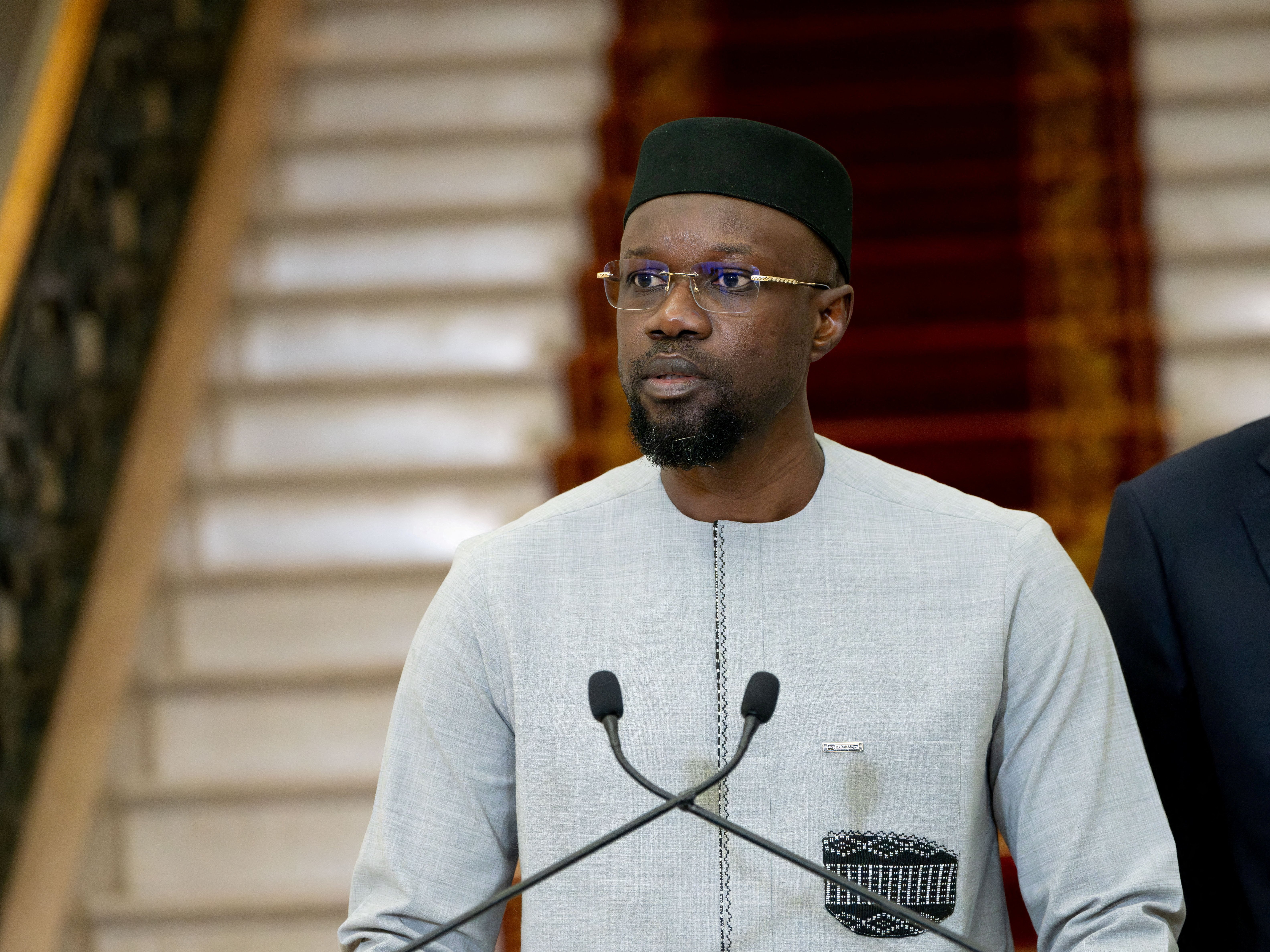

DAKAR, Senegal — They came to power as a pair, the quiet president and the firebrand who could not run himself. Two years on, one has fired the other. President Bassirou Diomaye Faye has dismissed Ousmane Sonko, the prime minister who made his victory possible, and the man he removed now sits atop the one branch of government the president does not control.
Faye dissolved the government in late May and, on a live broadcast, named a new cabinet led by Ahmadou Al Aminou Mohamed Lo, a veteran economist he said had the expertise to steer Senegal out of its crippling debt. The choice was a statement in itself. Where Sonko is a movement, Lo is a balance sheet.
Sonko did not retreat into opposition, because he did not retreat at all. Pastef, his party, holds 130 of the National Assembly’s 165 seats, and within days lawmakers installed him as speaker of parliament. The president had removed his prime minister and then watched him resurface, days later, as the most powerful figure in the legislature.
Then came the refusal. After what Sonko described as a long meeting with Faye that produced some agreements and, more tellingly, disagreements over the future role of his party, he announced that Pastef would not join the new cabinet. The party would take part in nothing, he said, and would be represented by no ministers. A government had been assembled that the governing party would not staff.
Underneath the personal rupture is a disagreement about which way Senegal should face. Faye has chosen negotiation with the International Monetary Fund, the orthodox route for a state buried in debt, the same prescription the IMF presses on much of the developing world. Sonko has argued for a more sovereign approach, closer to the anti-dependency platform that carried them both into office. Senegal has been wrangling with the Fund for months, and how far to bend is now the fault line running through its government.
The fight echoes beyond Senegal’s borders. Across West Africa, governments have spent recent years pulling away from the old arrangements with Paris and Western lenders, from Burkina Faso’s turn toward Russia to the broader revolt against Western tutelage that has reshaped the Sahel. Faye and Sonko rode a milder version of that current to power in 2024. The irony is that a movement built on defying outside pressure is now splitting over how much of it to accept.
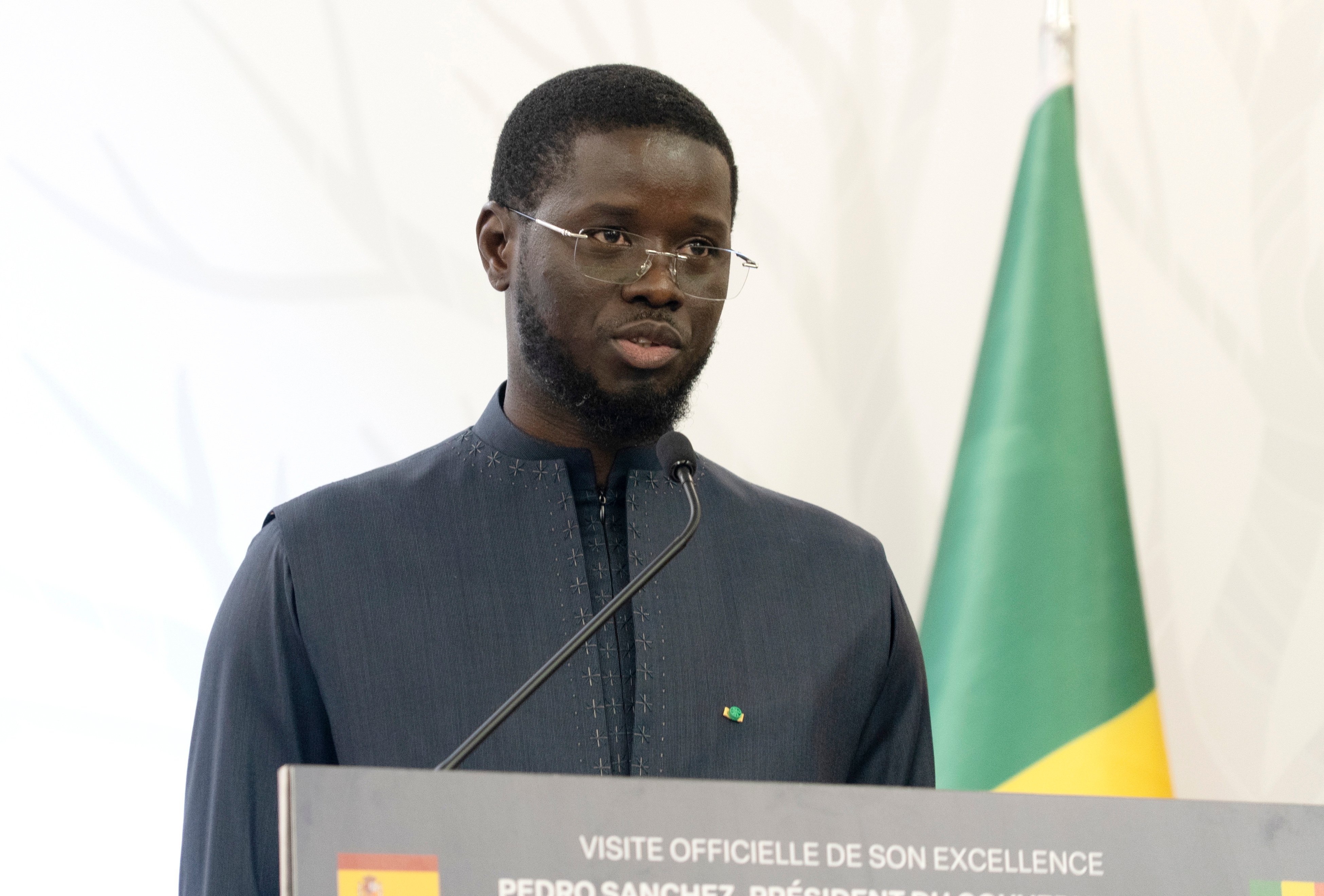
The two men’s bond was always unusual. Sonko, a charismatic figure with a vast following among the young, was barred from the 2024 race by a defamation conviction his supporters called political. He threw his machine behind Faye, then his deputy, who won and made him prime minister. The protege governed in the mentor’s shadow. Now the arrangement has inverted, and it is not obvious the country’s institutions were built for it.
The timing is unforgiving. Senegal is negotiating from weakness, its finances strained and its standing with lenders already tested by a dispute over the true size of its debt. A government at war with its own parliamentary majority is a government that cannot easily pass a budget or commit to the painful terms the Fund wants. The infighting, in other words, hands leverage to precisely the outside institutions the movement once promised to resist.
What no one in Dakar can yet say is who actually governs. Faye holds the presidency and the new cabinet. Sonko holds the party and the parliament that the cabinet must answer to. Two years ago the pair asked Senegalese voters to choose a clean break from the past. They are now asking the country to watch them decide, in public, what that break was supposed to mean, and which of them gets to define it.
Related Posts