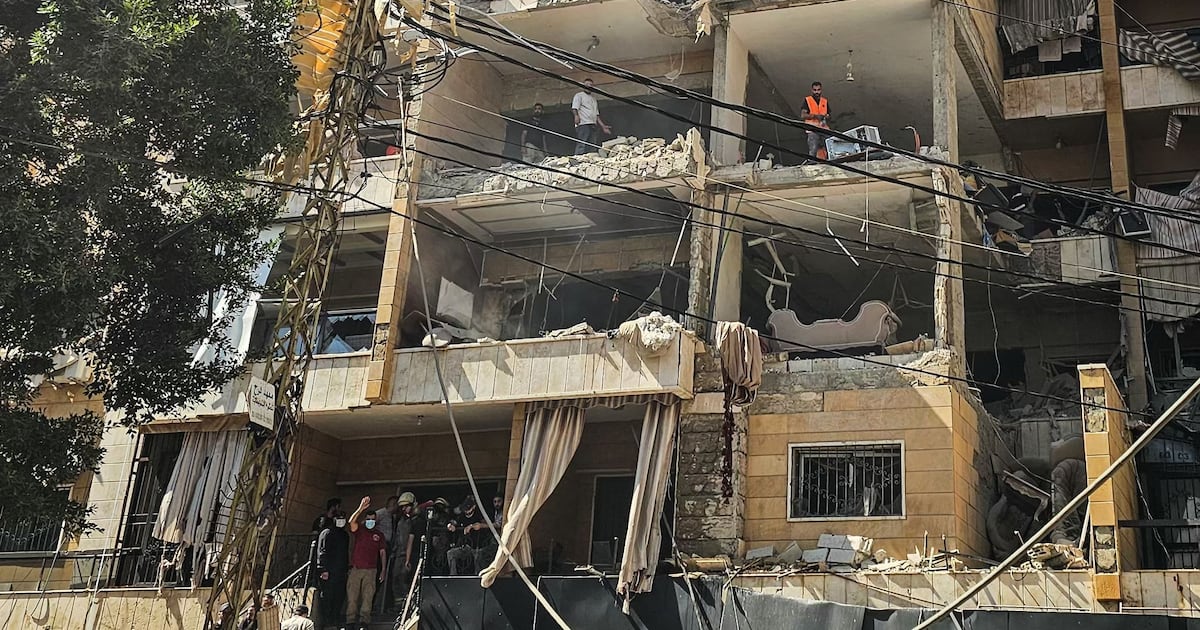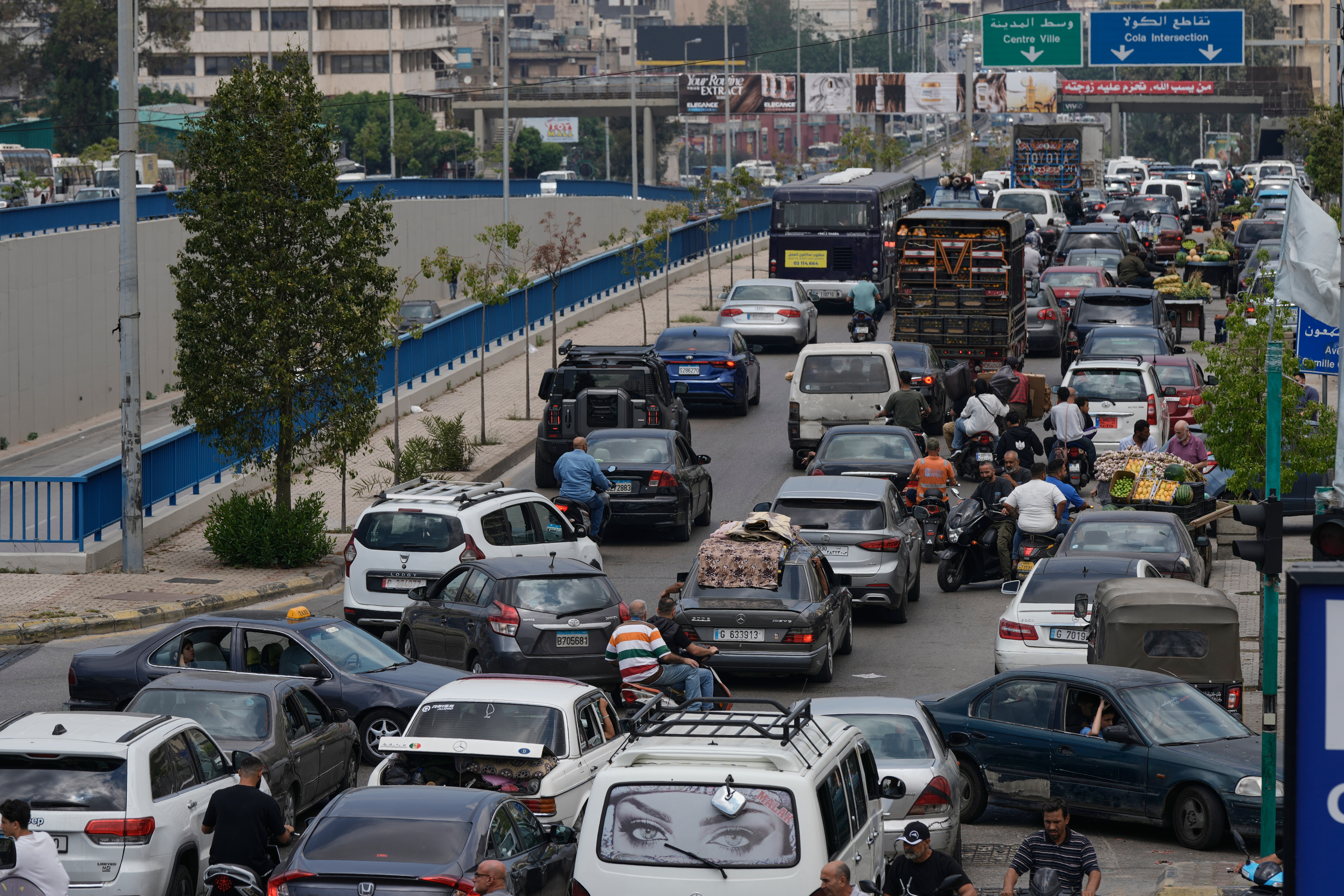
BEIRUT — The United States needs Iran to stop the war in Lebanon. Iran needs Hezbollah to do it. And Hezbollah, for now, has made clear it answers to no one.
That three-link chain — Washington to Tehran to Hezbollah — is the reason the fragile ceasefire framework agreed upon in Washington on June 4 collapsed within hours of taking effect. Hezbollah’s secretary-general, Hassan Nasrallah, declared the arrangement between Israel and Lebanon “absurd, humiliating and insulting.” He had not been at the table. He had not been asked. The group’s fighters resumed attacks on Israeli forces in southern Lebanon before the ink was notionally dry, killing at least one Israeli soldier by late Thursday afternoon.
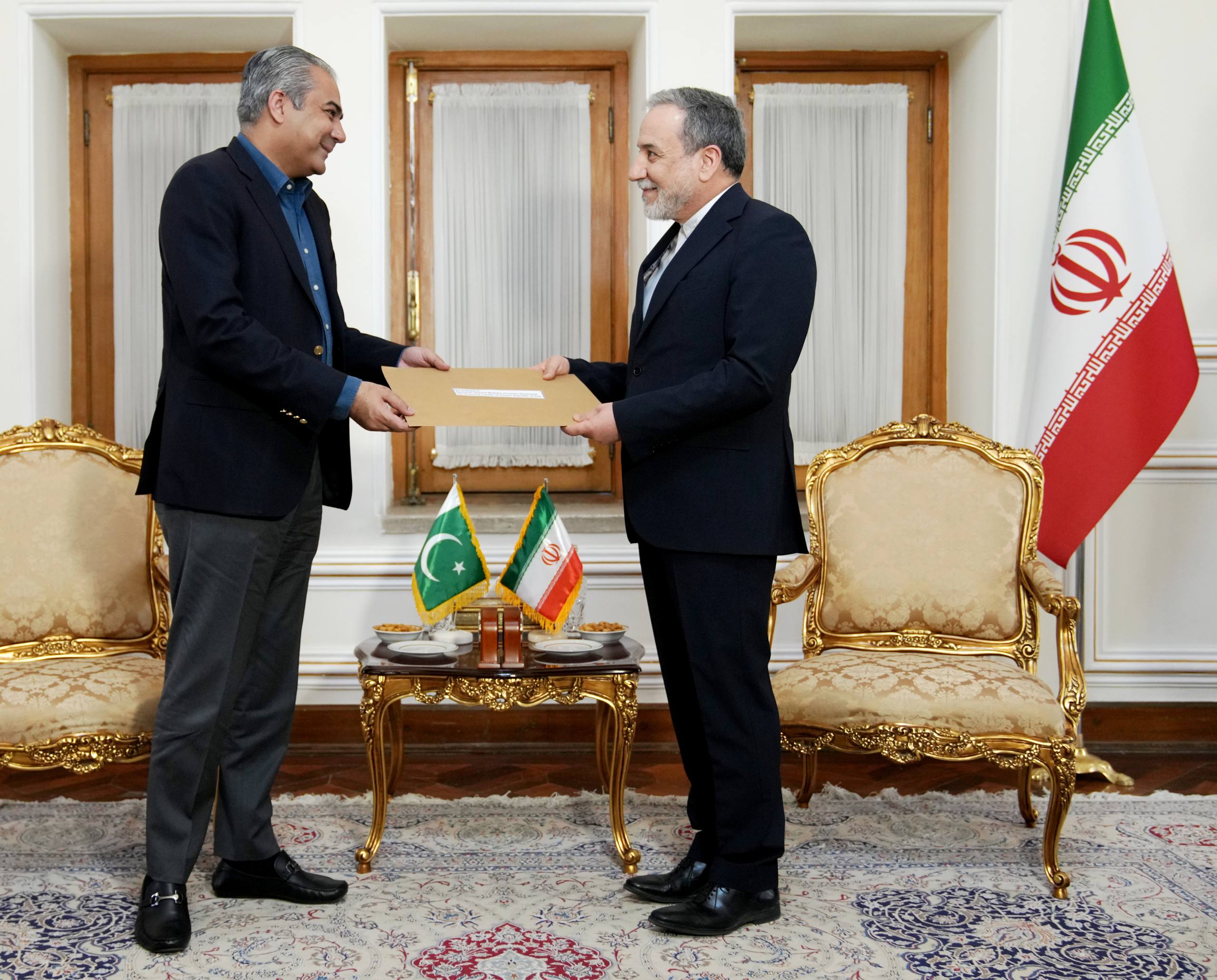
The structural problem is not new, but it has now hardened into something close to a diplomatic impossibility. Iran has insisted, consistently and at every stage of negotiations, that any US-Iran ceasefire must encompass Lebanon. Iranian Foreign Minister Abbas Araghchi framed the choice in stark terms in April: Washington must decide between a ceasefire and continued war via Israel. It cannot, Tehran argued, have both. What Iran has not explained — because it cannot — is how it intends to enforce a ceasefire on an organisation that it funds and arms but does not command.
Hezbollah entered this conflict in March 2025 after the killing of Iranian Supreme Leader Ali Khamenei, positioning the campaign as a defensive obligation to the Islamic Republic. That framing gave Hezbollah an ideological rationale for fighting that exists independently of any instruction from Tehran’s current leadership. The group’s rejection of the Washington ceasefire was described by Nasrallah not as disobedience toward Iran but as a principled refusal to accept terms that Israel was not bound by equally. According to Arab News, Lebanon’s Parliament Speaker Nabih Berri had been working through Iranian diplomatic channels in the days before June 4 to secure Hezbollah’s buy-in. The effort failed.
Berri himself then issued a public statement on Friday acknowledging that Hezbollah would withdraw south of the Litani River — but only if Israel simultaneously withdrew from Lebanese territory it occupies and a fully unconditional ceasefire was declared on land, sea and air. Israel will not accept those terms. The gap between the two positions is not a negotiating margin. It is the war itself.
As Eastern Herald reported, Berri’s conditional offer arrived at precisely the moment when the Washington framework was already in pieces on the floor. The Hezbollah leader’s rejection of the June 4 deal was not a surprise to Lebanese officials, who had spent weeks trying and failing to bring the group to the table. It was a confirmation of what many diplomats had privately suspected: that no state actor, including Iran, holds an unconditional veto over Hezbollah’s military calculus.
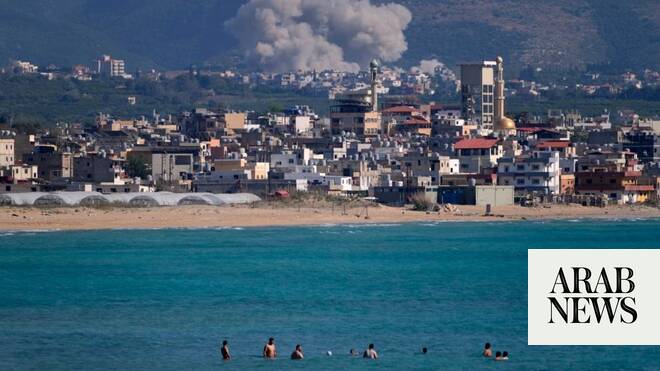
Seven UNIFIL peacekeepers have been killed in Lebanon since the conflict resumed in March, including a Serbian soldier struck by mortar fire near Marjayoun late Wednesday. A UN source told reporters the mortars appeared to have been fired from Hezbollah positions. That detail matters because it places the group’s military activity in direct conflict with the ceasefire framework that Lebanon — as a state — had just agreed to. Beirut signed something its own territory contradicted within the same night.
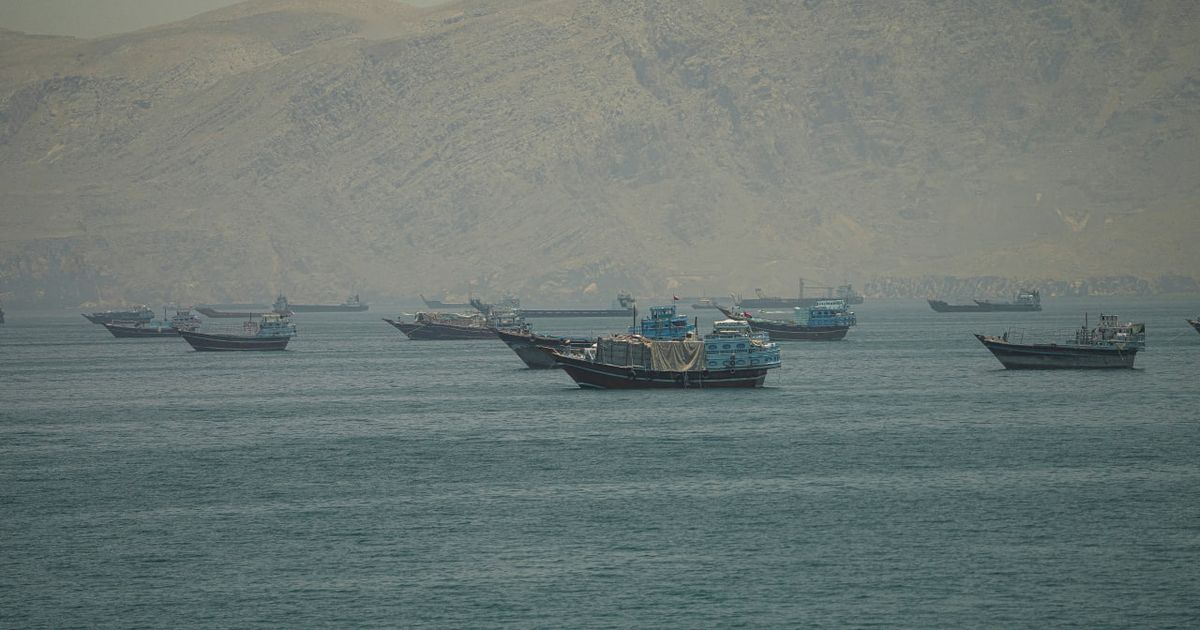
The broader context worsens the arithmetic. Iran has now accused the United States of its own ceasefire violations — specifically, American strikes on coastal surveillance radar sites near Sirik and Qeshm Island on June 6, which Washington described as defensive responses to Iranian drone attacks targeting the Strait of Hormuz. Tehran’s Foreign Ministry called the strikes a “clear violation” of the ceasefire framework. US Central Command said it had intercepted six one-way attack drones in 48 hours before the radar strikes and that the response was proportionate and limited. Both sides are claiming compliance while conducting operations that the other side characterises as attacks.
What the Hezbollah problem exposes, at a structural level, is that the United States is trying to negotiate an end to a war with a state — Iran — that does not fully control the actors conducting it on its behalf. That was always true. It is now openly acknowledged by all parties. Berri’s offer to mediate Hezbollah’s withdrawal, conditional on terms Israel cannot accept, is the clearest signal yet that even Iran’s most reliable diplomatic channel into the group cannot deliver unconditional compliance. The group’s fighters in southern Lebanon are not waiting for Tehran to decide whether the war is over. They are fighting as though the answer is already clear.
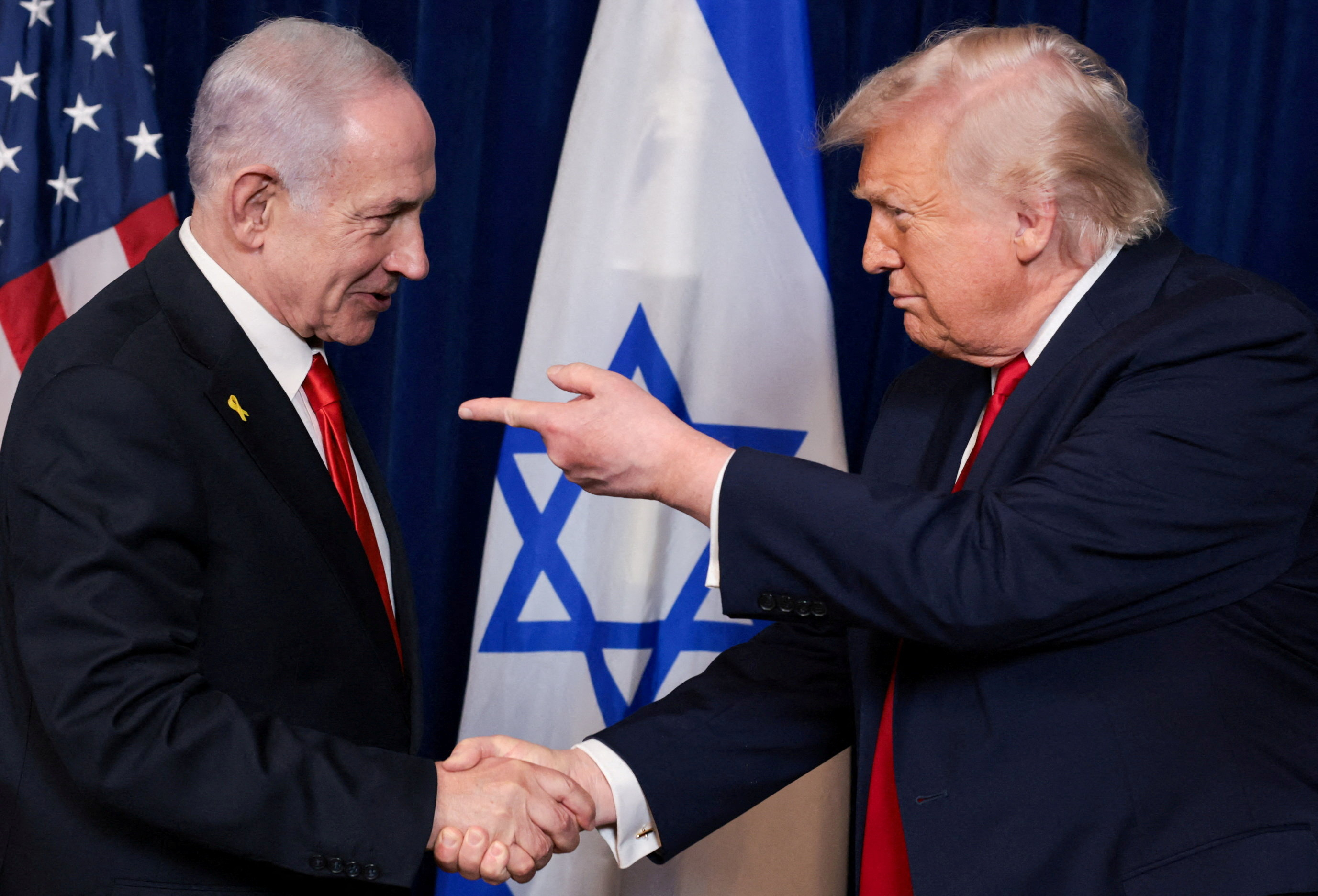
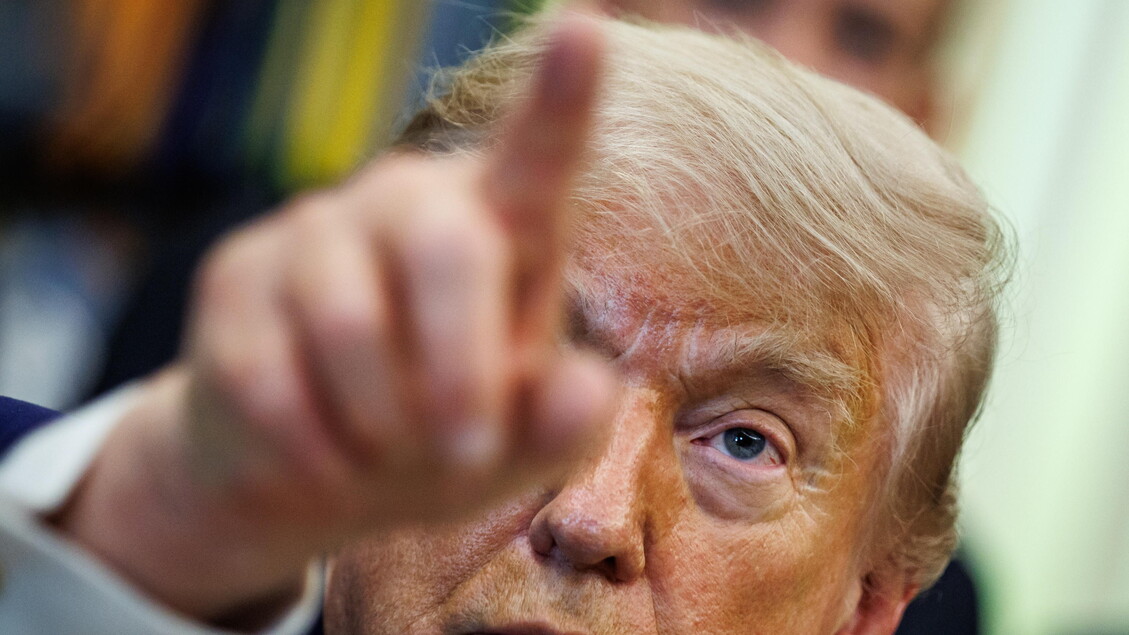
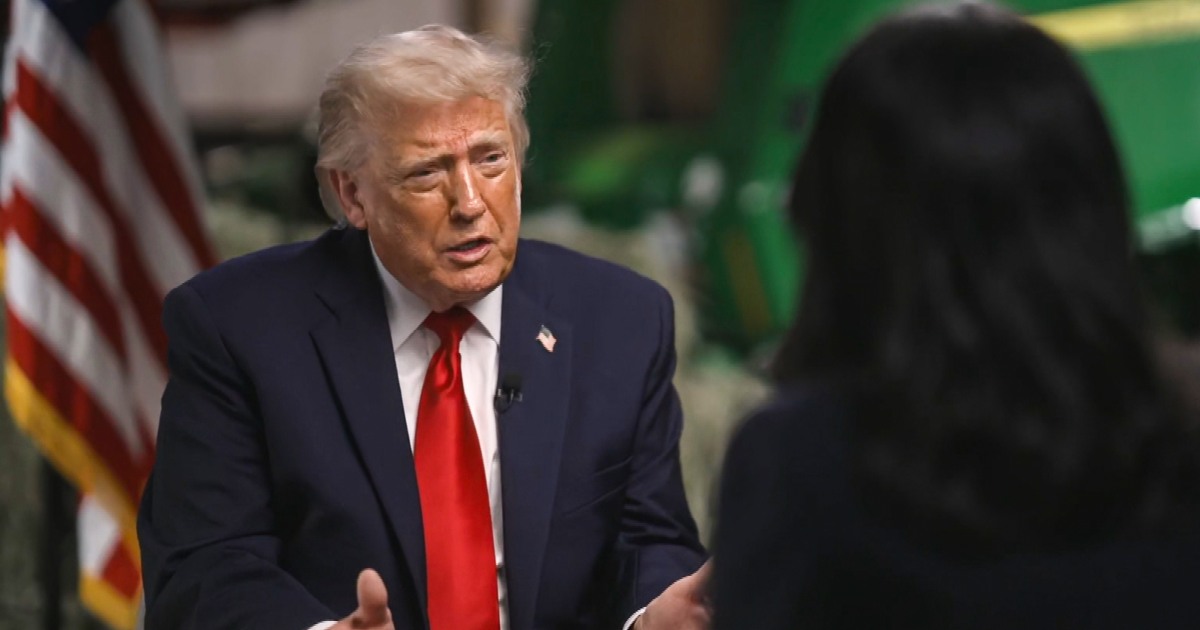
President Donald Trump said this week he would be open to meeting Iran’s new supreme leader if a deal to end the conflict could be reached. He claimed “progress has been made” on Lebanon. The House of Representatives, in a notable rebuke, passed a resolution limiting his war powers regarding Iran. The vote did not change the military picture on the ground, but it registered a domestic political ceiling on how far the administration can escalate in pursuit of a settlement.
What remains unresolved — and what neither Washington nor Tehran has yet addressed directly — is whether a US-Iran agreement is even legally or operationally meaningful if it cannot bind Hezbollah. The group has now rejected two successive ceasefire frameworks. Iran has conditionally endorsed each one while Hezbollah dismantled them. Whether Tehran’s endorsement and Hezbollah’s operational independence can coexist inside a durable peace architecture is the question that the current negotiations have not answered. It may be the only one that matters.