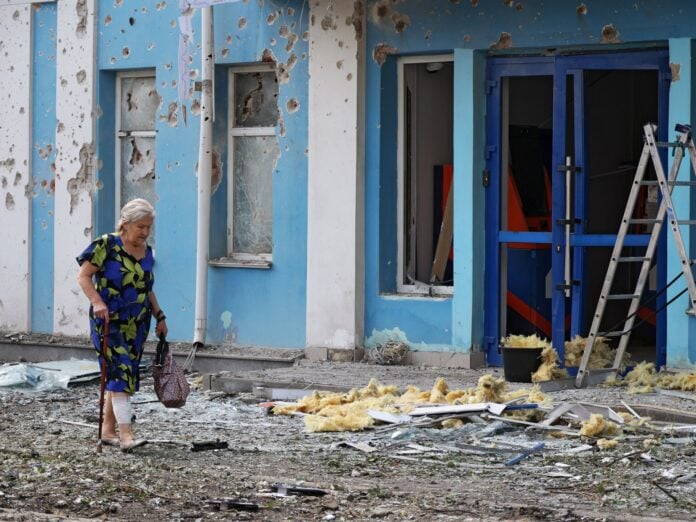

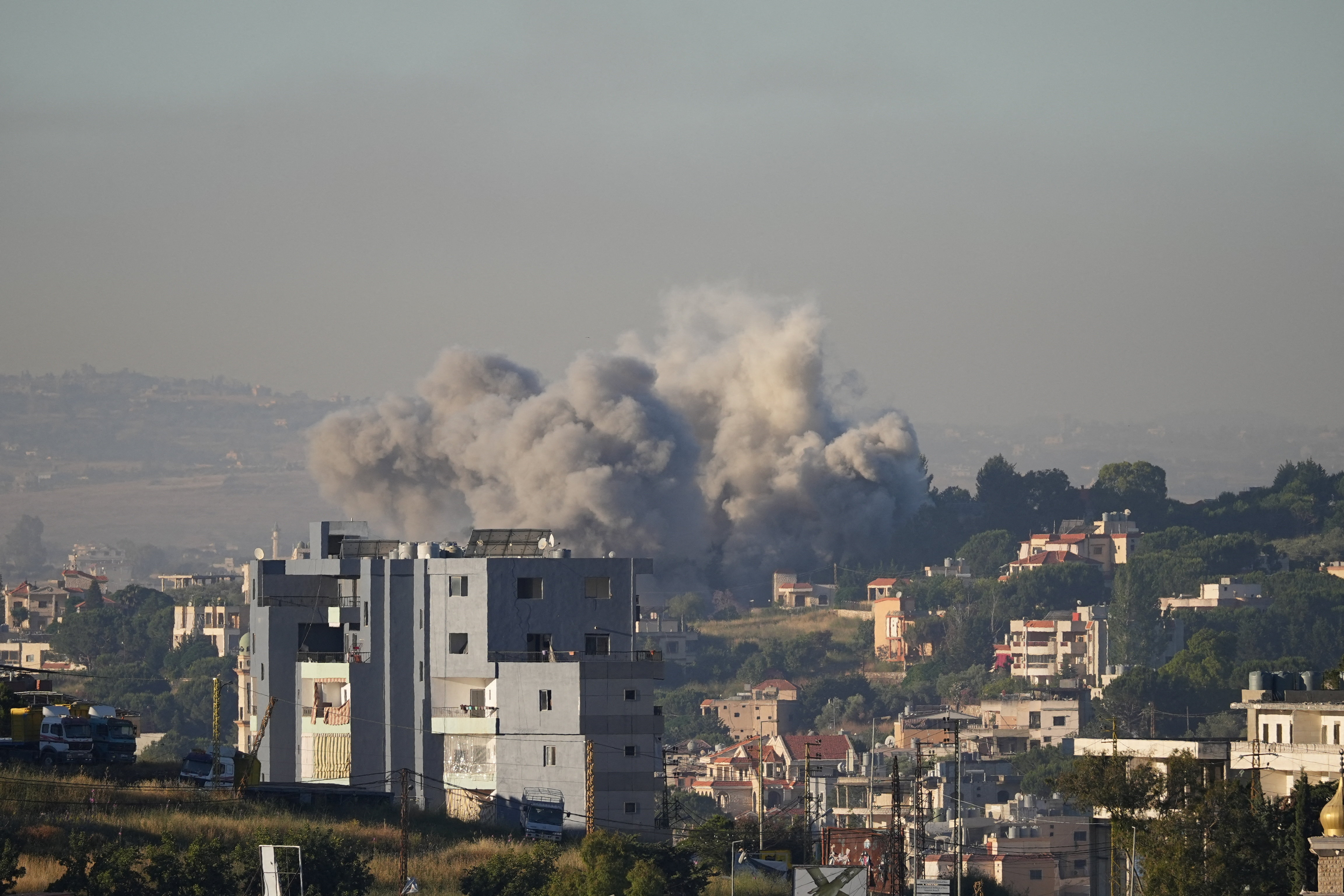
BEIRUT — Seven people were pulled from rubble in the southern city of Tyre in the hours before dawn on Friday, killed in overnight Israeli strikes that came less than a day after Lebanon’s parliament speaker announced what sounded like the first real diplomatic opening from the Hezbollah side since the war began.
Nabih Berri, who functions as Hezbollah’s designated intermediary in Lebanon’s political system, put a concrete offer on the table: the Iran-backed group would withdraw its fighters from the area south of the Litani River. In return, Israel would have to pull out of the Lebanese territory its forces currently occupy, simultaneously and with an unconditional halt to air, land, and sea strikes.
The offer landed, in diplomatic terms, like a door opening onto a wall. Israel has consistently refused any framework that conditions its own withdrawal on Hezbollah’s, and there is no sign that position has shifted. What Berri called a good-faith proposal, Israeli officials have previously characterized as a non-starter that conflates occupier and defender.
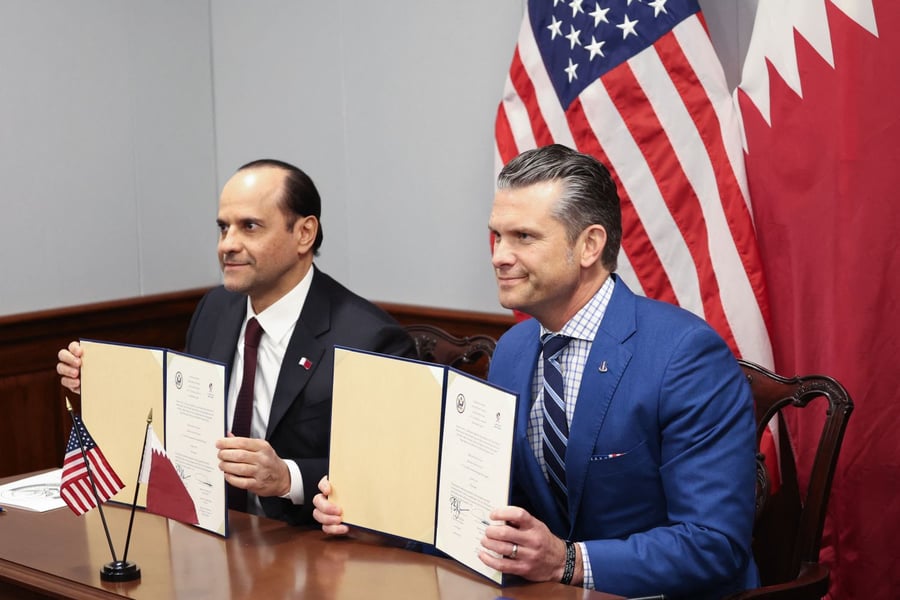
The current Lebanon-Israel ceasefire, brokered by Washington and agreed by both governments last week, does not include Hezbollah. The group’s leader Naim Qassem rejected it as a form of surrender. Berri, in his statement Friday, called the existing arrangement “booby-trapped” and said no deal was credible unless it covered all domains, not just an end to ground operations, but a complete cessation across land, sea, and air.
Israel’s military, meanwhile, issued evacuation warnings for six towns and villages in southern Lebanon on Friday morning, then carried out strikes on at least one of them. The Lebanese Army told AFP that two army officers and one soldier were killed in Israeli fire during the night, a detail that matters because the Lebanese Armed Forces are not a party to the conflict, and their deaths complicate any effort to present the fighting as narrowly targeted at Hezbollah.
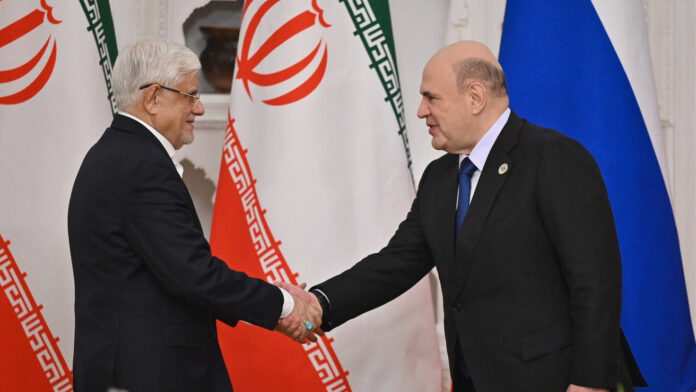
The Lebanon problem is not peripheral to the broader US-Iran diplomacy. It is the central obstacle. Tehran has made clear it will not complete any deal with Washington while Israeli forces remain in Lebanon and while strikes on Hezbollah continue. Iran’s Deputy Foreign Minister for Legal and International Affairs, Kazem Gharibabadi, said Friday that any agreement must fully safeguard Iran’s interests, adding that the Islamic Republic “does not wait for the green light of any country” in deciding when to act. The phrasing was pointed: it was addressed as much at Hezbollah’s critics in Beirut as at American negotiators in Oman.
In the Sea of Oman on Friday, Iran’s Revolutionary Guard fired a missile and a drone as warning shots toward two US destroyers, according to an IRGC statement. The Guard said the action was in response to the “seizure of commercial vessels” by the US Navy, a reference to American forces boarding the sanctioned tanker MT Davina in the Indian Ocean overnight. US Indo-Pacific Command confirmed the boarding, framing it as part of global maritime enforcement against networks supporting Iran. Neither side called it an act of war. The pattern of warning shots, tanker seizures, and reciprocal statements has now become the operational language of a conflict that has not formally ended.
Abbas Araghchi, Iran’s foreign minister, said Wednesday that “no tangible progress” had been made in ceasefire talks with Washington, despite optimism from the Trump administration the previous week. Trump himself said that if Iran kills American troops, there would be “a good reason” to restart the war, a statement that landed in Tehran as a conditional threat dressed as a diplomatic signal. Iran’s foreign ministry on Saturday accused the United States of violating the ceasefire following radar strikes at Qeshm, compounding the sense of a truce maintained in name more than in practice.
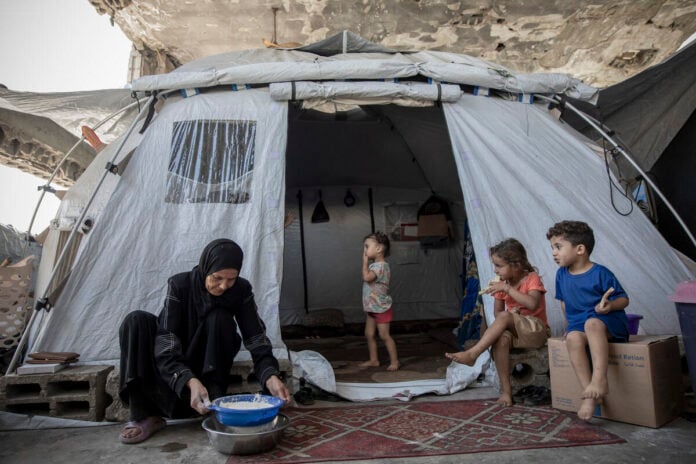
The human arithmetic behind the stalled diplomacy is not abstract. The United Nations World Food Programme warned Friday that the continued fighting has pushed 45 million people in already-vulnerable countries toward acute food insecurity, a figure that assumes oil prices hold near $100 per barrel, which they have. Somalia, Sri Lanka, and Afghanistan were identified as the most exposed, with an additional 6.1 million people collectively at risk from the knock-on effects of a war they have no part in.
Pakistan’s Interior Minister Mohsen Naqvi arrived in Tehran on Saturday for talks with Araghchi, according to Iran’s semi-official Tasnim news agency. Islamabad has served as the primary intermediary between Washington and Tehran since brokering the original April ceasefire. That the meetings are continuing is noted. That they have not produced anything is also noted.
What Berri’s offer does, more than anything, is clarify the geometry of the impasse. Hezbollah will not withdraw unilaterally. Israel will not withdraw simultaneously. Washington will not deliver Tel Aviv to a symmetrical deal. Tehran will not accept anything that leaves Lebanon exposed. Each position is internally coherent. Together they form a structure that negotiators in Oman have so far found no way through.
What changes that geometry, whether a ceasefire violation too large to absorb, a domestic political shift inside Israel, or a decision in Tehran that the war’s costs have become unsustainable, remains as of Friday a question no party has publicly answered. The Lebanon ceasefire agreed in Washington last week was built on the same assumption of Hezbollah’s irrelevance, and it has not held.
For the people in Tyre counting their dead on Friday morning, what changes it is, by this point, a secondary question. The primary one is whether anyone in the capitals where these conversations happen is prepared to accept the cost of the answer. Berri has been in this position before, offering guarantees that depend on conditions his interlocutors cannot or will not meet. Whether this offer is different in kind, or merely in timing, is not yet clear.