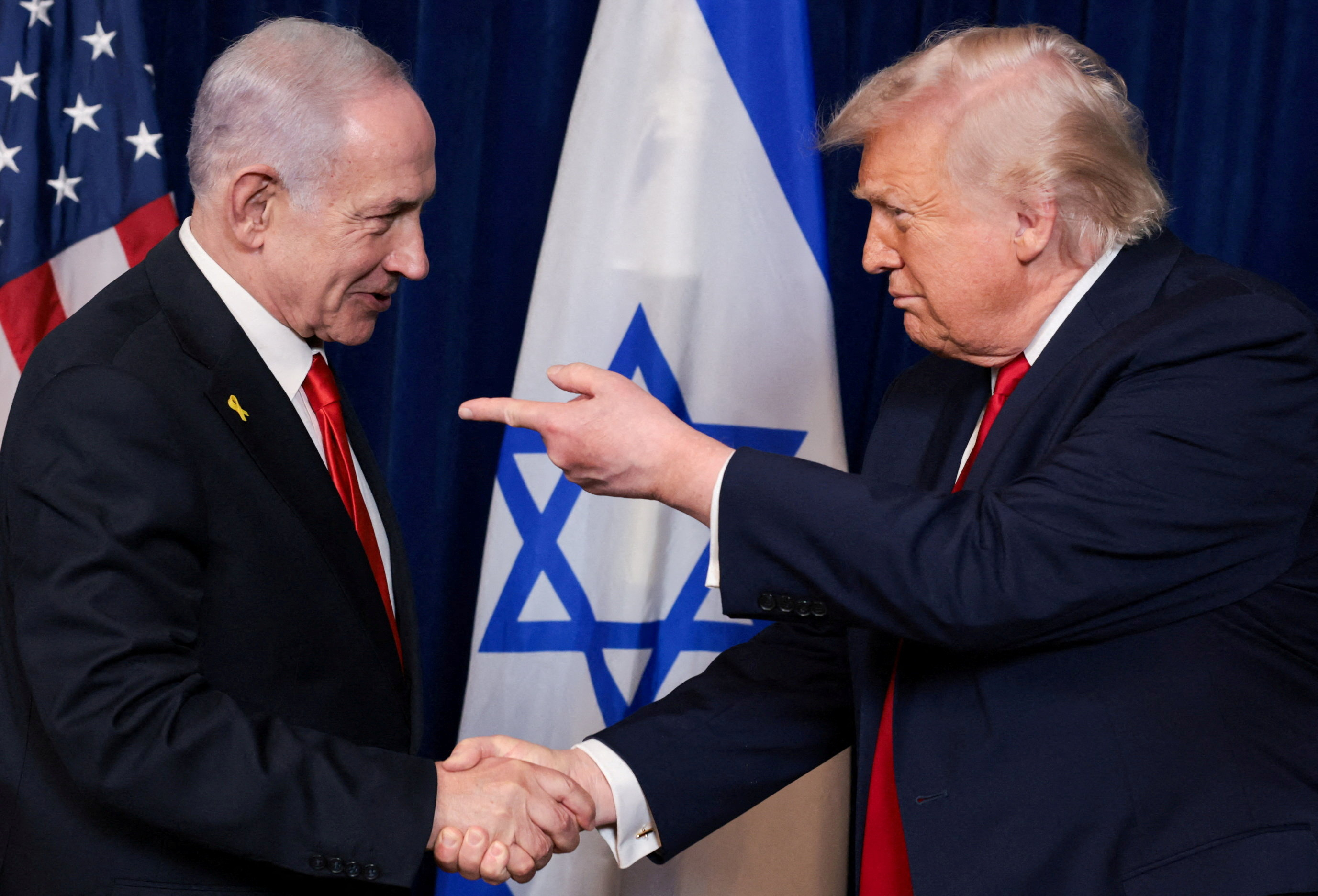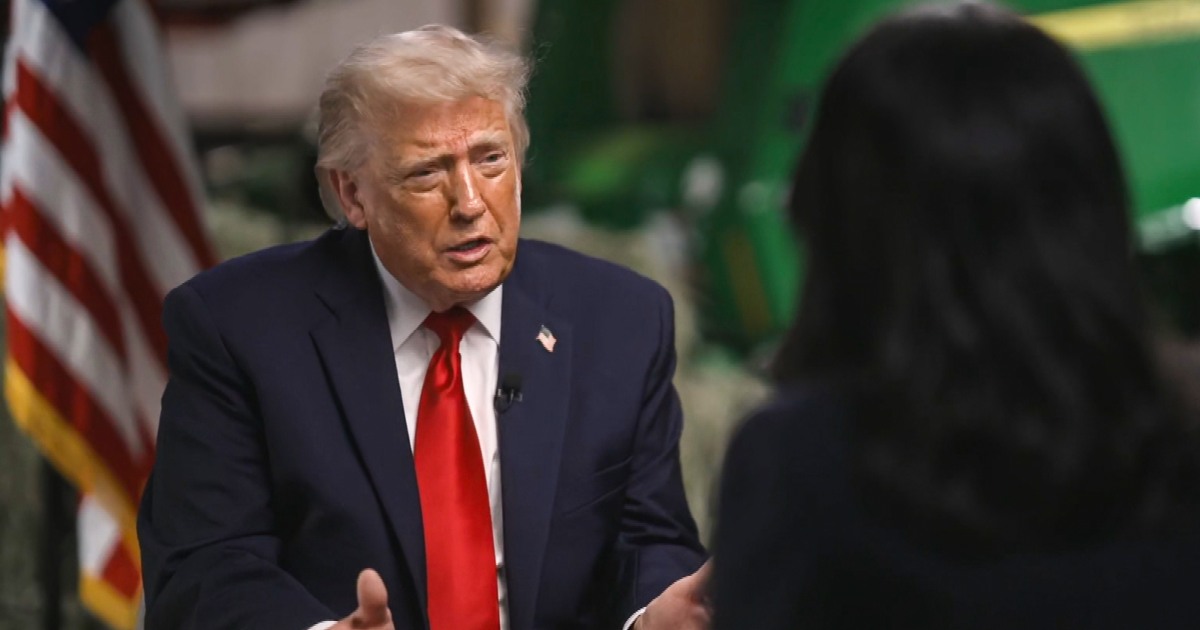
WASHINGTON — The number thirteen hung in the air over Donald Trump’s Sunday television appearance like a question no one had fully answered. Thirteen American soldiers killed in a conflict now entering its fourth month, a war the president launched in June 2025 and has repeatedly insisted was nearly over. He volunteered the figure himself, unprompted, while explaining why he had no intention of bringing roughly 50,000 US troops home.
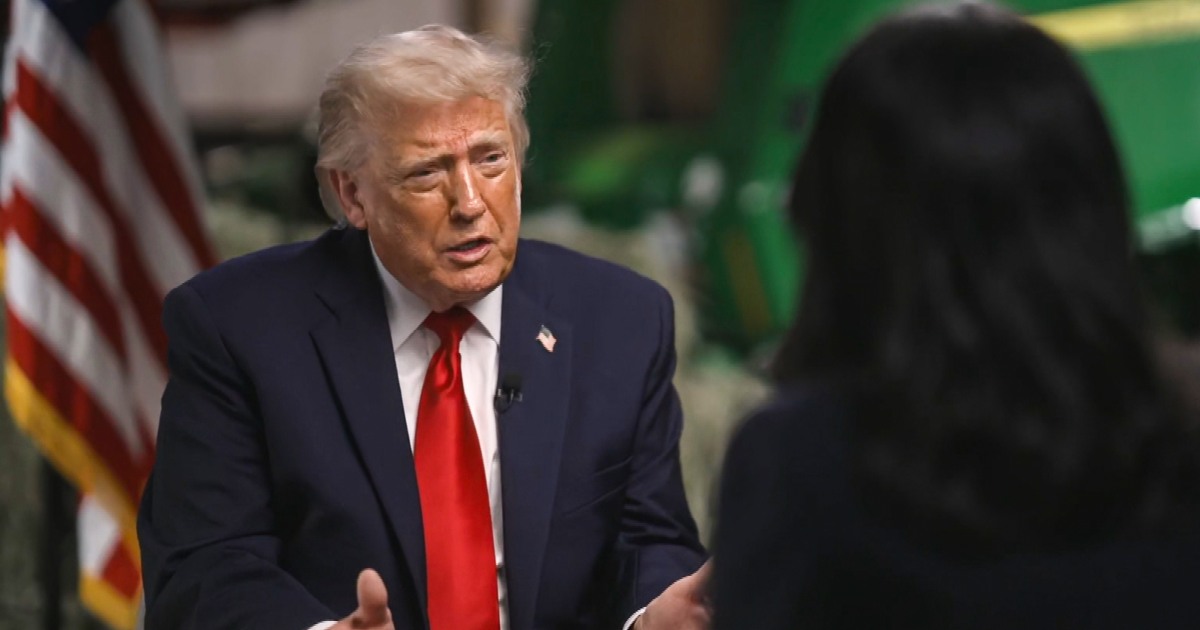
“I think we’ll keep them there until such time as we have a completion,” Trump told NBC News’s Meet the Press moderator Kristen Welker in an interview taped Friday at Custer Farms in Chippewa Falls, Wisconsin, and aired Sunday. He offered no definition of what completion would look like, no diplomatic benchmark, no military objective that, once achieved, would mark the end of American involvement.
The president framed the casualty figure as a point of comparative restraint. “Here we have lost 13 people and it’s a high number. Thirteen people — too many,” Trump said. “But when you look at Vietnam, where hundreds of thousands of people were killed, or any of the last seven or eight wars that have caused so many deaths, we lost 13.” The Vietnam War killed more than 58,000 American service members over roughly two decades of combat. The Iran conflict is in its third month.
The comparison drew immediate attention not only for its scale but for its timing. Three days before the interview aired, the House of Representatives passed a war powers resolution 215 to 208, with four Republicans breaking from their party to limit Trump’s authority to continue military action in Iran without congressional approval. The White House has indicated it will not comply.
Trump described the deployed force as safe, in part because of the military assets surrounding them. “I don’t think they’re in danger,” he said. “We have the best defense that’s ever been seen. We have the best offensive apparatus that’s ever been seen. So I don’t look at it as dangerous.” The remarks came the same week the US military acknowledged it had struck coastal surveillance radar sites in Iran after shooting down Iranian drones launched toward the Strait of Hormuz — an exchange that undercut the administration’s assertion that major Iranian military capacity had already been neutralized.
What remained conspicuously undefined was the endpoint. The White House has shifted its stated goals repeatedly over the course of the conflict. In early April, Trump said military objectives were “nearing completion.” By late May, he described peace talks as “boring” and told CNBC he “couldn’t care less” whether negotiations continued. On Sunday he told Welker he was “moving very fast,” then noted, without apparent irony, that he was into his third month of a conflict he had initially described as a matter of days.
The uranium question remains the most tangible unresolved element of any potential deal. Earlier Sunday, NBC News reported that Trump said the US would work with Iran to retrieve and destroy its highly enriched uranium stockpiles as part of a peace agreement — a significant concession from his earlier insistence that Iran surrender the material as a precondition. Iran has not publicly accepted any terms. IAEA Director-General Rafael Grossi has described moving Iran’s enriched uranium as difficult but not impossible, a characterization that has so far not translated into a workable framework.
The administration’s position on what constitutes success has never been fixed. Nuclear disarmament, regime change, a formal ceasefire, and reconstruction of bilateral relations have all been floated at various points by various officials, without a clear hierarchy among them. The absence of a defined exit condition — the thing that would constitute Trump’s “completion” — is precisely what congressional critics have seized upon in pushing the war powers measure. Without a measurable endpoint, the logic runs, there is no natural boundary on the deployment.
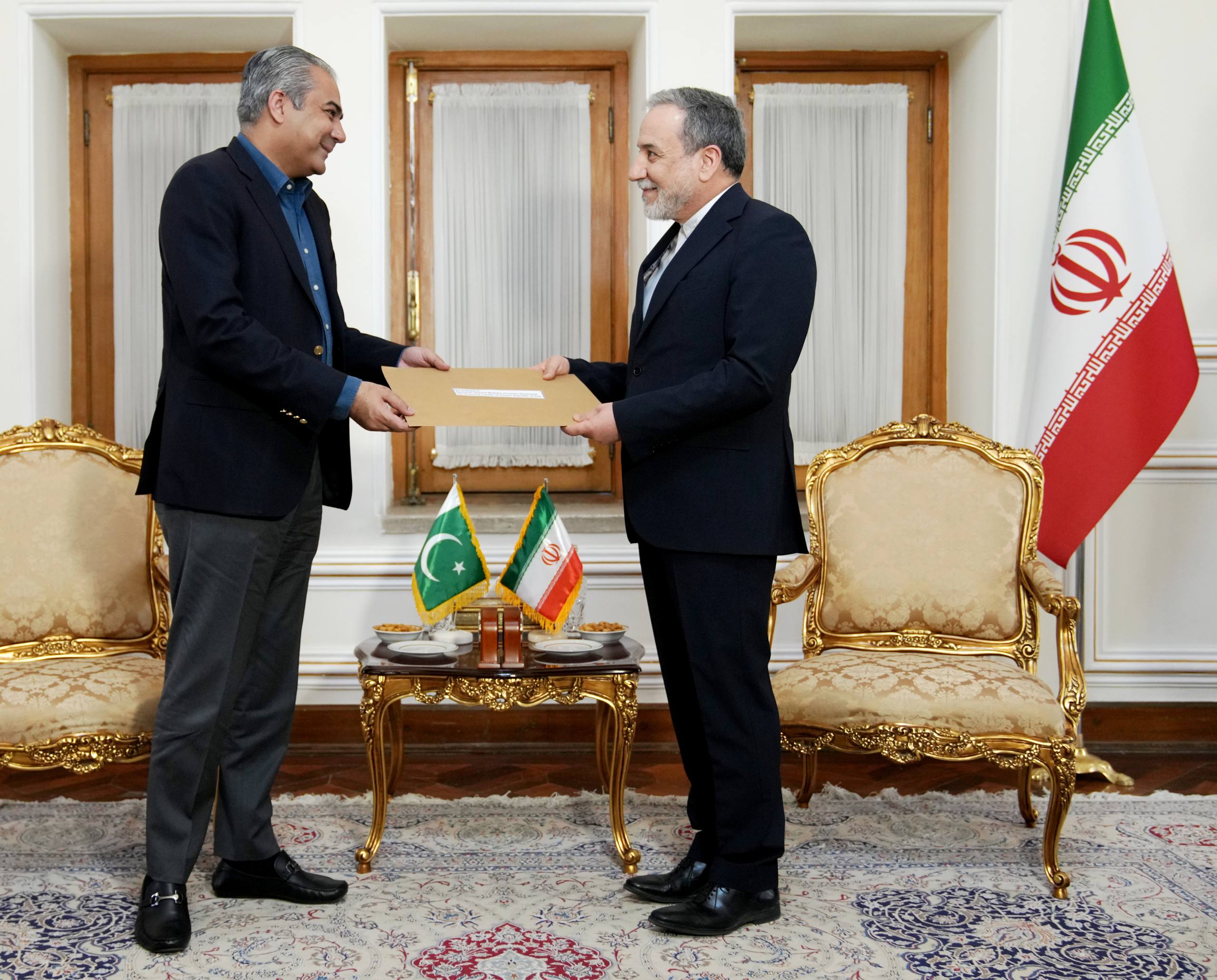
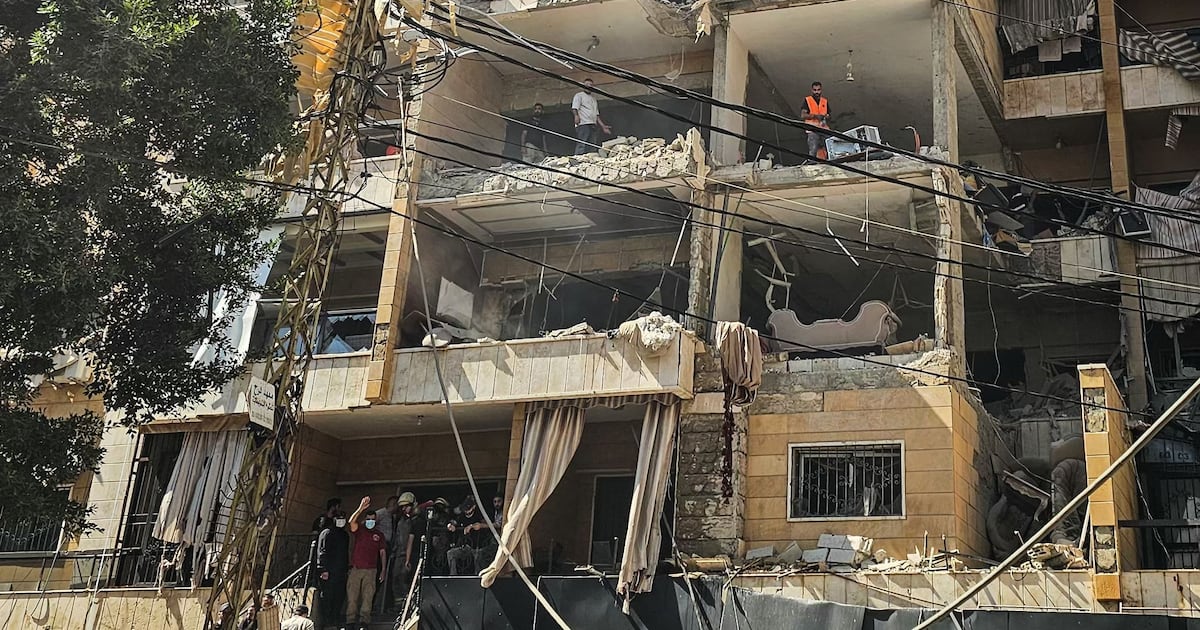
Pakistan has been serving as an informal channel for messages between Washington and Tehran, according to Iranian officials cited by Iran International, though the substance and seriousness of those communications remain unclear. Iran’s foreign ministry issued a statement Sunday warning of a “firm and painful” response to Israeli strikes on Dahiyeh in Beirut — a development that threatens to further complicate US-Iran diplomacy, given Trump’s acknowledged role in pressing Israel toward what he called “more surgical” operations.
The central tension Trump did not resolve on Sunday — and has not resolved in three months — is what he is actually waiting for before ordering those 50,000 troops home. He said “completion.” He did not say what that means. Whether that answer satisfies Congress, markets, or the families of 13 dead American soldiers is a different question entirely, and one his administration has not shown much urgency in answering.