WEST LAFAYETTE, Indiana — For older adults trying to eat enough protein to hold on to their muscle mass, the federal government’s nutrition guidance offers a reassuring message: a serving of black beans counts the same as a serving of lean pork. An ounce of almonds is equivalent to an ounce of chicken. Mix and match, the system implies, because these foods are nutritionally comparable sources of protein.
A Purdue University study published in the journal Nutrients in 2023 found that this premise does not hold when put to a physiological test. When researchers fed matched portions of animal- and plant-based proteins to both young and older adults and then measured essential amino acids circulating in their blood, the animal-based sources delivered roughly twice the usable protein building blocks as the plant-based ones. The mechanism that makes muscle is not impressed by bureaucratic equivalency.
The study’s lead investigator, Dr. Wayne Campbell, a professor in the Department of Nutrition Science at Purdue, put it plainly: the basis for the Dietary Guidelines for Americans declaring these protein foods equivalent and having similar nutritional content is, in his assessment, unclear. That is a measured statement from an academic. What it describes is a gap in the federal framework that shapes school lunches, hospital menus, nursing home dietary plans, and the nutritional advice dispensed to hundreds of millions of Americans.
The Dietary Guidelines’ ounce-equivalent system works as follows: one ounce of meat equals one whole egg, which equals a quarter cup of beans, which equals half an ounce of nuts. The system was designed to help people diversify their protein intake and, in line with broader federal dietary philosophy, to nudge Americans toward more plant-based foods. On that second count, it has become a policy instrument as much as a nutritional one. The trouble, the Purdue research suggests, is that the instrument may be telling a misleading story about what the body actually receives.
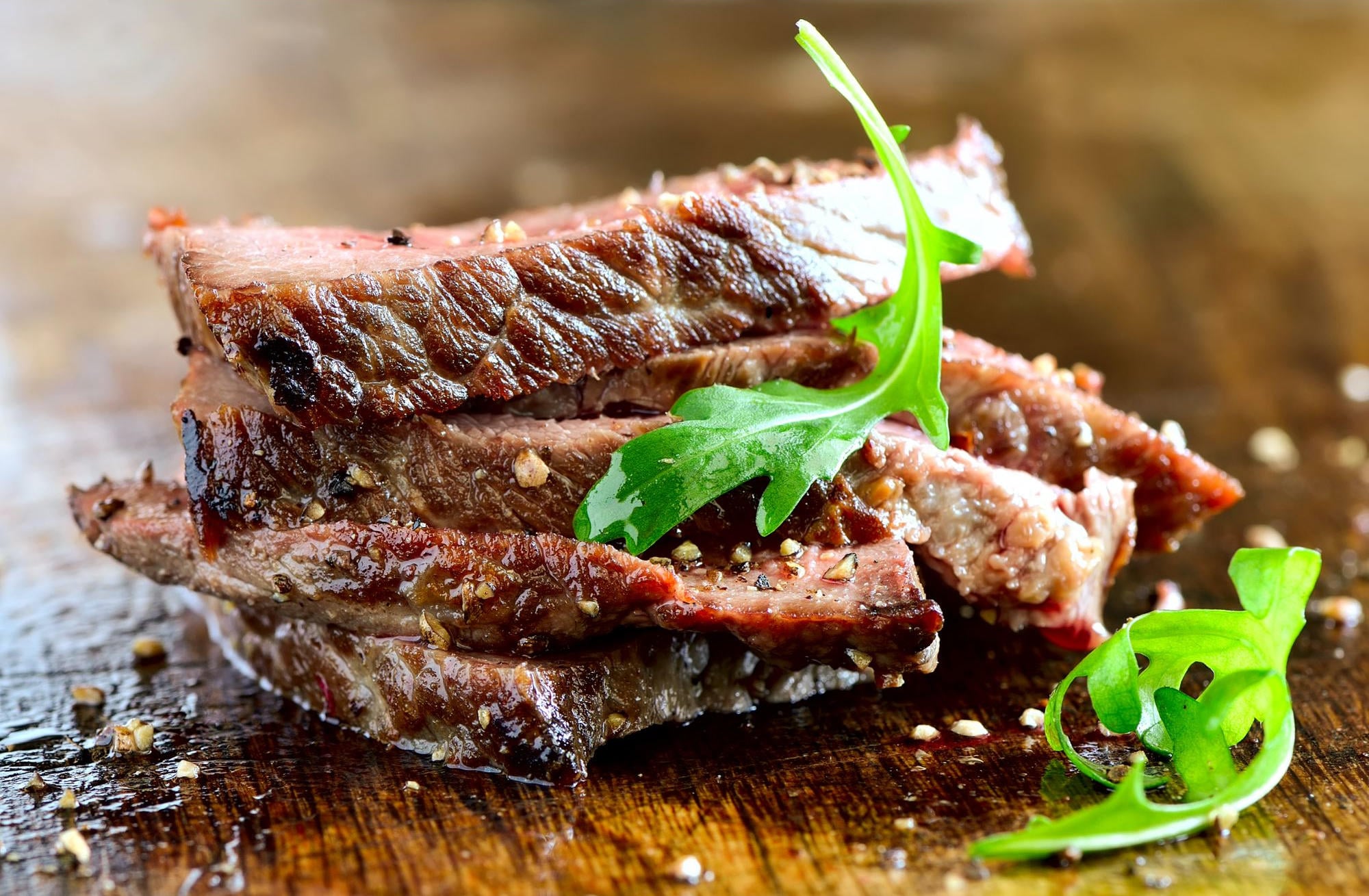
The study compared four protein foods: unprocessed lean pork loin, scrambled whole eggs, black beans, and raw sliced almonds, fed in two ounce-equivalent portions to 30 young adults and 25 older adults in a controlled crossover trial design. Blood samples were drawn at intervals across five hours after each test meal, measuring how much of each food’s essential amino acids reached the bloodstream. Essential amino acids cannot be manufactured by the body; they arrive entirely through diet, and their presence in the blood is the proximate signal that drives muscle protein synthesis.
Lean pork delivered 7.36 grams of essential amino acids per two ounce-equivalent serving. Whole eggs delivered 5.38 grams. Black beans provided 3.02 grams. Almonds came in at 1.85 grams, less than a quarter of what pork supplied, from a portion the federal guidelines treat as equivalent. As the Purdue team reported in Nutrients, lean pork also outperformed eggs in amino acid bioavailability in both age groups, a finding that runs against the grain of most popular nutritional hierarchies.

The finding that older adults showed no difference in amino acid bioavailability from younger adults was one of the study’s more counterintuitive results. There has long been a hypothesis that aging impairs the body’s ability to extract and deploy amino acids from food, sometimes called anabolic resistance. The Purdue data did not support that mechanism operating at the level of amino acid absorption, though the researchers were careful to note that the study did not directly measure changes in muscle protein synthesis or whole-body protein balance. What happens at the muscle fiber after amino acids arrive in the blood is a separate, and still open, question.
A 2025 systematic review published in Nutrition Reviews, which analyzed randomized controlled trials on animal versus plant protein and muscle outcomes, offered a more complicated picture. The review found that animal protein showed a small beneficial effect on muscle mass compared with plant protein overall, particularly in younger adults and when compared with non-soy plant proteins. But there was no clear difference between soy protein and animal protein for muscle mass, and no overall gap in muscle strength or physical performance. Not all plant proteins behave alike: soy protein, especially in concentrated forms, appears to close much of the gap that whole plant foods like beans and nuts leave open.
This is where the Dietary Guidelines’ framework becomes genuinely complicated to defend. The ounce-equivalent system does not distinguish between soy protein isolate and black beans, between pea protein powder and raw almonds. It treats all plant-based protein sources as interchangeable in a way that the amino acid data does not support. Someone following the guidelines by substituting half a cup of beans for two ounces of meat at every meal is not consuming equivalent protein, in any biochemically meaningful sense.
The population most exposed to this ambiguity is older adults, who face a narrowing margin for error when it comes to dietary protein. Muscle loss accelerates in the sixth decade and beyond, and the consequences- falls, fractures, loss of independence- are among the most costly and prevalent drivers of hospitalizations in aging populations. Research cited by the Purdue team indicates that older adults often need more, not less, high-quality protein to achieve the same anabolic response as younger adults. The advice to eat a wide variety of protein foods, without clarity on what that variety delivers, may be hitting this group especially hard. As the Eastern Herald reported in May, inadequate protein intake is quietly undermining health across age groups, a problem the current guidelines do little to address with precision.
Campbell and his colleagues are not calling for Americans to abandon plant-based foods, and the study’s framing is careful on this point. Plant-based foods bring fiber, micronutrients, and other bioactive compounds that animal proteins do not. The question being raised is narrower and more procedural: should a federal nutrition framework continue to treat nutritionally dissimilar foods as equivalent when the evidence for that equivalency is, by the lead researcher’s own description, unclear?
There is an institutional dynamic worth naming here. The Purdue study was funded by the Pork Checkoff and the American Egg Board’s Egg Nutrition Center, two industry bodies with an obvious interest in research that distinguishes animal proteins favorably from plant-based competitors. That funding source does not invalidate the findings, which were published in a peer-reviewed journal and used a rigorous crossover controlled trial design. But it is relevant context when evaluating the study’s reach into public health discourse, and it is the kind of rough edge the researchers themselves do not flag prominently.
The next edition of the Dietary Guidelines for Americans, updated every five years by the Department of Agriculture and the Department of Health and Human Services, is due in 2025, a process now delayed into 2026 amid broader federal disruptions. Whether the growing body of protein quality research will shift the guidelines’ treatment of ounce equivalents is unknown. The Purdue team’s explicit suggestion that their findings should inform future guidance represents an unusual step for a study framed as basic nutrition science. It is, in effect, a peer-reviewed argument that the rulebook needs revision. Doctors have separately flagged that nutrient needs shift substantially after 50, adding weight to the case for age-stratified dietary guidance.
What the Purdue data cannot answer, and this is not a minor gap, is whether the amino acid differences observed in a controlled five-hour test translate into meaningful differences in muscle mass or physical function over months and years of eating. The study measured bioavailability, not outcomes. Those are not the same thing, and the researchers are candid about it. The limitation is significant enough that drawing direct clinical prescriptions from these findings alone would be premature. Still, the gap between what the guidelines imply and what the physiology demonstrates is wide enough to warrant a harder look. Plant-based diets carry their own documented benefits, but the case for their equivalence on muscle protein delivery rests on assumptions the evidence is beginning to strain.
For an older adult working from a federal chart that says half a cup of beans equals two ounces of chicken, that gap may be closing quietly, one unmeasured deficit at a time.