
As life expectancy rises across major economies, a quieter biological transformation is redefining what it means to age well. Nutrition is no longer a static equation of calories in and calories out. It is a shifting biological negotiation between declining absorption efficiency and rising physiological vulnerability.
Medical researchers consistently point to a narrowing nutritional margin after age 50. The body does not simply require fewer nutrients. It becomes less efficient at extracting them. This is where targeted dietary intervention becomes less of a wellness choice and more of a physiological necessity.
Experts now frame this transition within broader age-related health and nutrition guidelines, emphasizing that aging alters how the body processes micronutrients even when dietary intake remains unchanged.
Calcium: The Structural Mineral Under Strain
Calcium remains central to skeletal integrity, but its biological efficiency declines with age. Bone remodeling continues throughout life, yet the balance shifts toward breakdown in later decades.
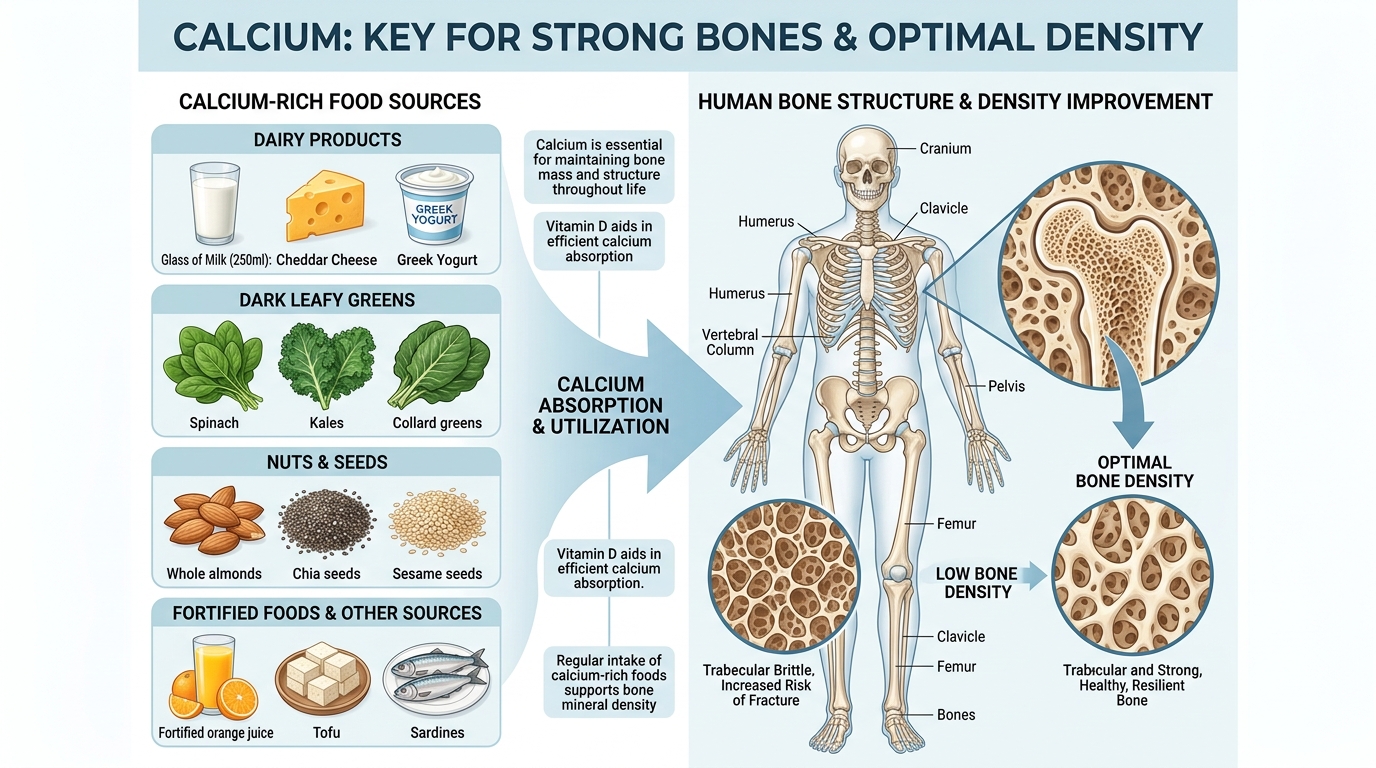
Supplemental and dietary calcium guidance is further supported by the NIH Office of Dietary Supplements, which notes that absorption efficiency decreases with age, requiring more consistent intake patterns.
Vitamin D: The Absorption Catalyst That Weakens Over Time
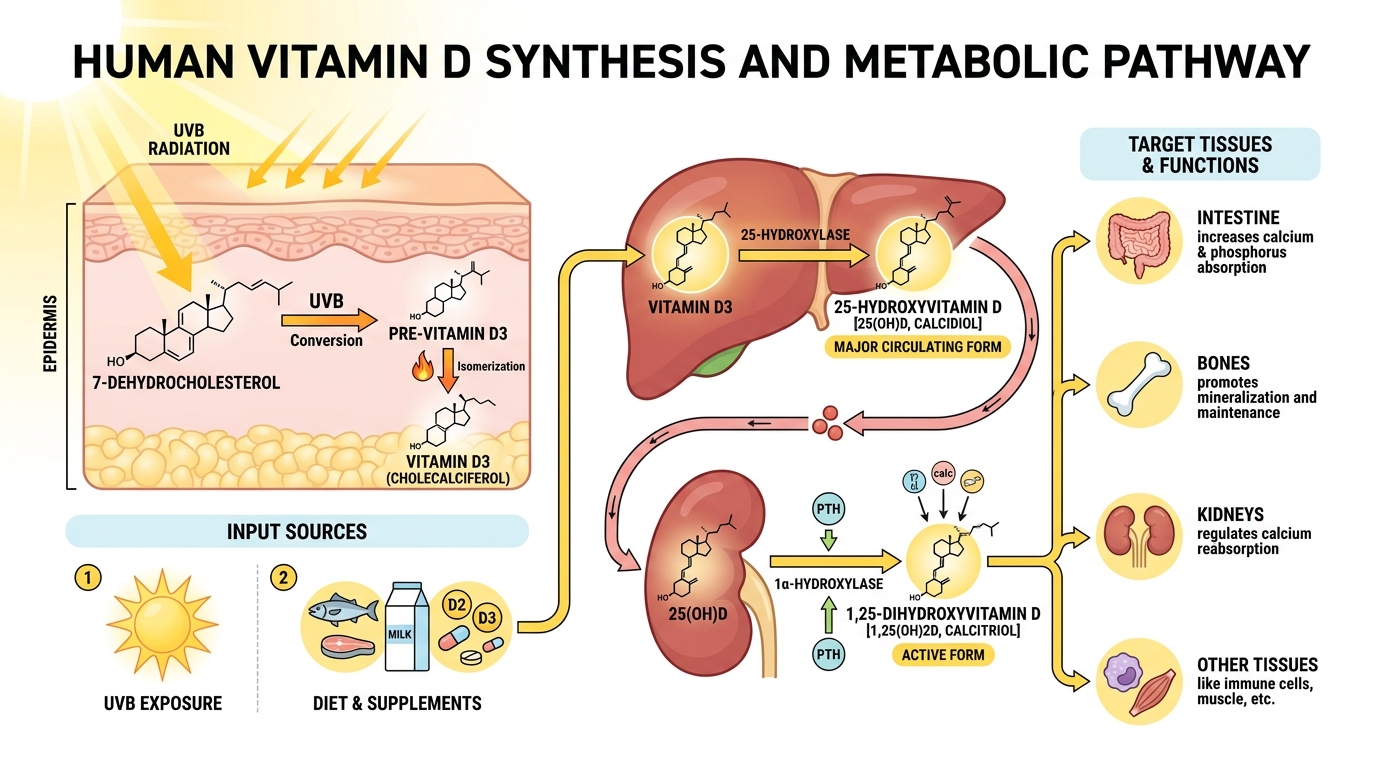
Vitamin D operates as a regulatory nutrient that enables calcium absorption. Without sufficient levels, even optimal calcium intake becomes biologically underutilized.
The issue is compounded by reduced skin synthesis in older adults and lower sun exposure. The result is a widespread deficiency risk that increases with age.
The decline in vitamin D absorption in older adults is well documented by the National Institutes of Health. Clinical guidelines consistently recommend supplementation in populations with limited sunlight exposure or dietary intake.
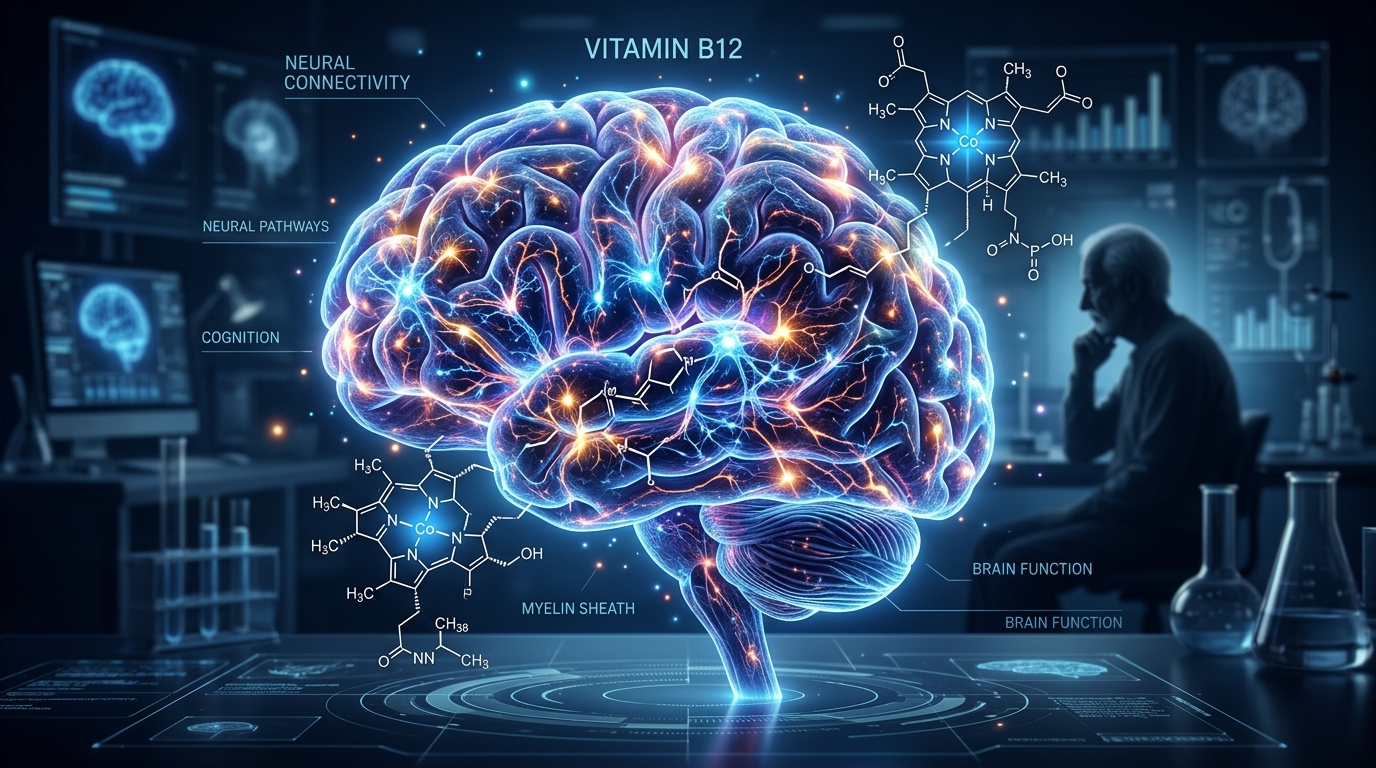
Vitamin B12: The Neurological Stability Factor
Vitamin B12 plays a critical role in neurological function and red blood cell formation. However, gastric acid reduction in older adults significantly impairs absorption from food sources.
The risk of deficiency increases gradually and often remains undetected until neurological symptoms emerge. Fatigue, memory impairment, and cognitive slowing are among the earliest indicators.
The Mayo Clinic identifies vitamin B12 deficiency risk as particularly elevated in older populations due to reduced absorption efficiency and dietary limitations.
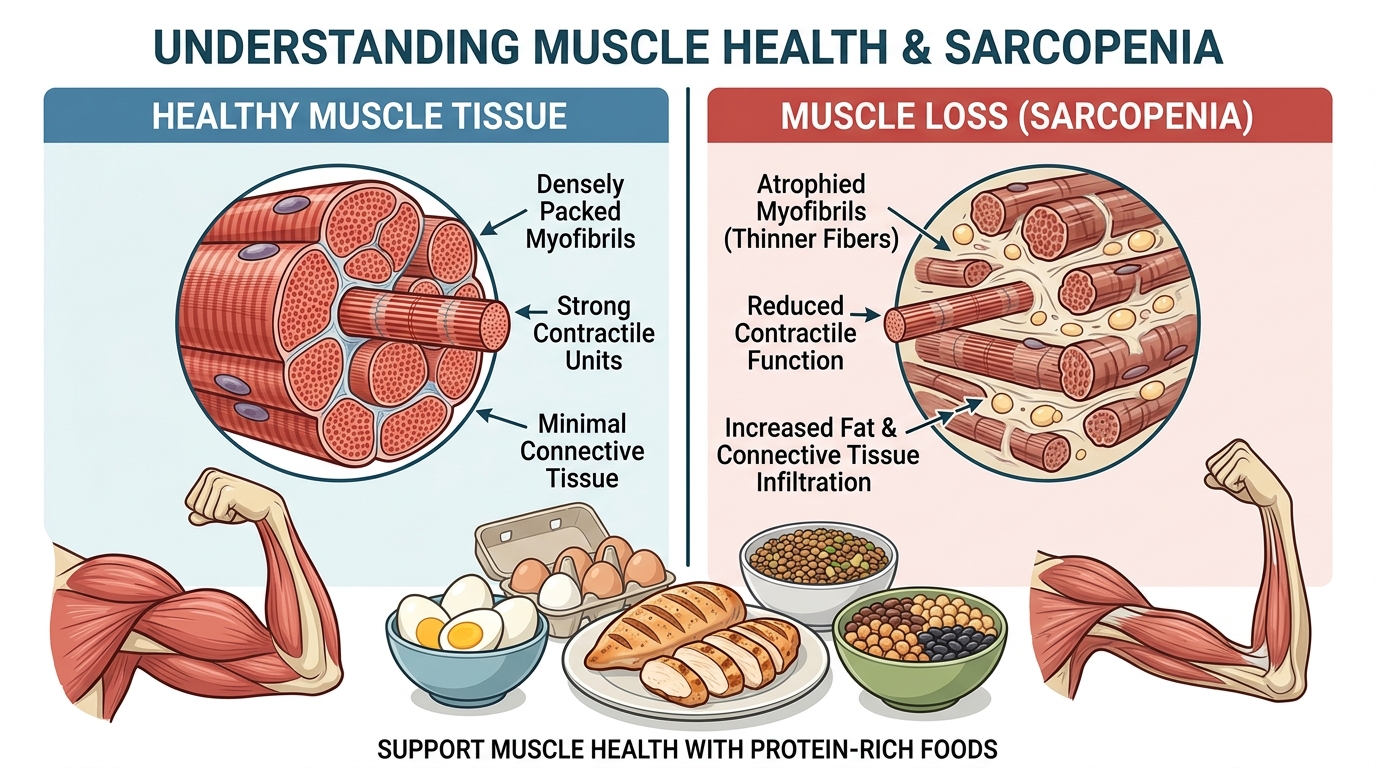
Protein: The Defense Against Muscle Loss
Muscle mass naturally declines with age, a process known as sarcopenia. Protein intake becomes a central determinant of functional independence rather than simply fitness maintenance.
Higher protein consumption is increasingly recommended to counteract muscle degradation and preserve mobility in older adults.
Research from the National Institute on Aging highlights protein needs after 50 as a critical factor in maintaining muscle strength, metabolic stability, and long-term physical resilience.
In clinical terms, protein is not optional in later life. It is structural maintenance for the musculoskeletal system.
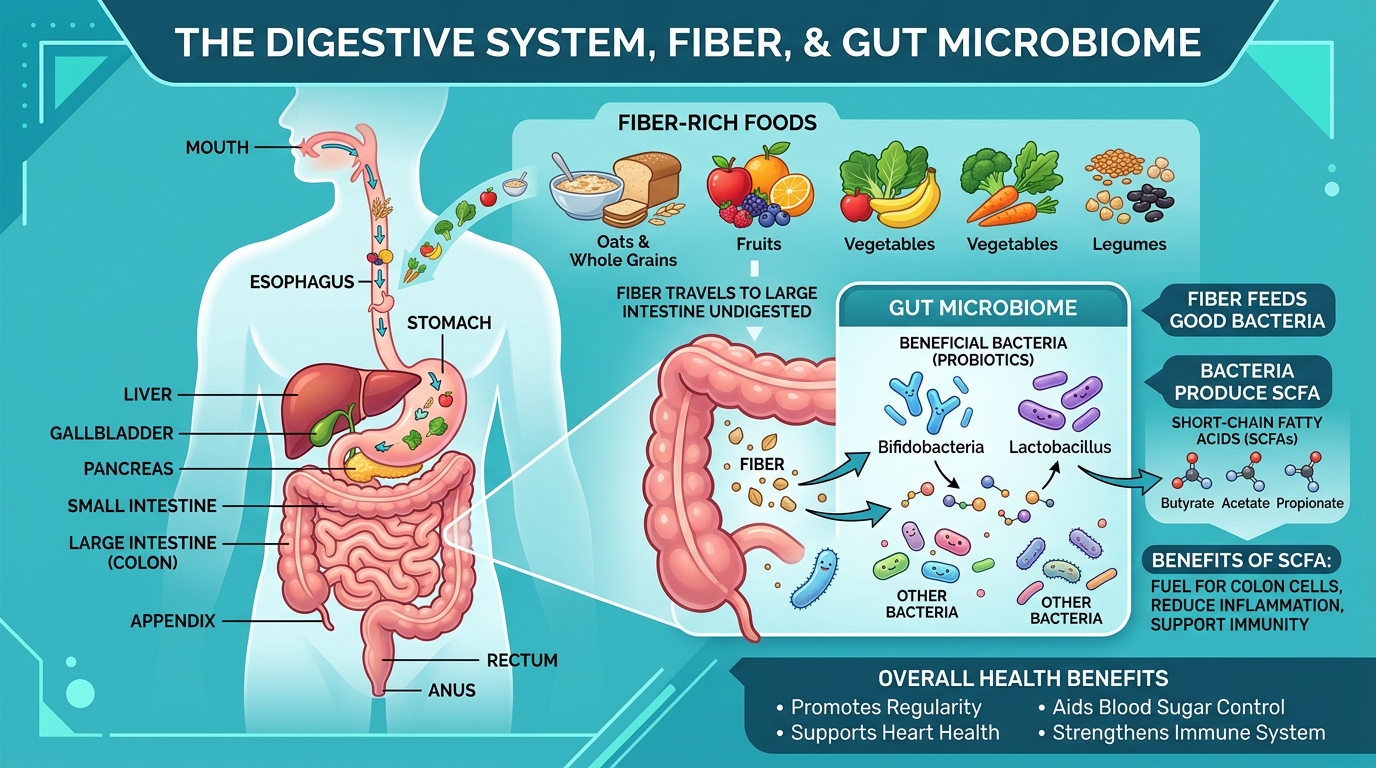
Fiber: The Metabolic and Digestive Stabilizer
Digestive efficiency declines with age, often resulting in slower intestinal transit and increased constipation risk. Fiber plays a stabilizing role in gastrointestinal function and metabolic regulation.
Dietary fiber also contributes to cardiovascular health and glucose control, both of which become increasingly relevant with age.
The importance of fiber intake for digestive health is strongly supported by Harvard’s nutrition research, which emphasizes its role in maintaining gut microbiome balance and reducing chronic disease risk.
The Systemic Shift: Metabolism, Absorption, and Aging
Aging does not simply reduce nutritional demand. It alters the efficiency of biological systems responsible for nutrient processing. This includes reduced stomach acid production, slower metabolic rate, and diminished cellular absorption capacity.
These changes contribute to what researchers describe as age-related metabolic slowdown, where immune and metabolic systems gradually lose efficiency over time.
In parallel, healthy dietary patterns for longevity increasingly emphasize nutrient density over caloric abundance, reflecting a shift toward precision nutrition rather than generalized dietary intake.
Beyond Supplements: The Structural Reality of Aging Nutrition
While supplementation plays a role in addressing deficiencies, medical consensus increasingly emphasizes food-based nutrient strategies as the primary foundation of healthy aging.
The five nutrients identified in this analysis, calcium, vitamin D, vitamin B12, protein, and fiber, are not optional enhancements. They are structural components of physiological maintenance.
The real challenge is not awareness. It is consistency. Nutrient deficiencies in older adults often develop gradually, accumulating over years before becoming clinically visible.
What emerges is a clear medical conclusion: aging does not reduce nutritional importance. It increases nutritional sensitivity.
Conclusion
The science of aging nutrition is shifting from broad dietary advice toward targeted biochemical understanding. As absorption efficiency declines, the body becomes more dependent on precise nutrient intake to maintain stability.
Calcium supports skeletal integrity. Vitamin D enables absorption efficiency. Vitamin B12 safeguards neurological function. Protein preserves muscle mass. Fiber stabilizes digestion and metabolic health.
Together, these nutrients form the physiological foundation of aging resilience. The difference between decline and stability often lies not in radical dietary change, but in sustained nutritional adequacy over time.