
Despite the dominance of protein-enhanced products in supermarkets and fitness culture, researchers and nutrition experts caution that many adults still fail to consistently meet levels associated with optimal physiological maintenance. The issue is not acute deficiency, but long-term underconsumption that accumulates quietly across years.
This concern is gaining renewed attention as evidence suggests that dietary habits in many urban populations are increasingly skewed toward convenience foods, irregular meal composition, and protein distribution that is uneven across the day. The result is a subtle erosion of metabolic stability rather than immediate clinical symptoms.
The silent progression of protein imbalance

Over time, this pattern can contribute to muscle loss, particularly in older adults where natural age-related decline intersects with insufficient dietary support. Researchers at aging-focused institutions note that this overlap accelerates functional decline more than previously understood.
In parallel, metabolic efficiency tends to decrease. Individuals may notice slower energy turnover, reduced strength retention, and diminished resilience during illness. These changes are often misattributed to stress or aging alone rather than nutritional imbalance.
Aging and the recalibration of nutritional needs
As individuals age, the body’s efficiency in utilizing dietary protein declines. This makes consistent intake increasingly important, not less. Public health researchers at institutions such as the National Institute on Aging emphasize that maintaining muscle integrity becomes a central determinant of mobility, independence, and long-term health outcomes.
The relationship between aging and protein metabolism is therefore not linear. Even when total food intake remains stable, physiological utilization changes in ways that require dietary recalibration rather than static consumption habits.
This shift is particularly relevant in populations that rely heavily on processed foods or irregular eating schedules. In such contexts, protein intake may be sufficient on paper but insufficient in biological effectiveness.
The modern diet paradox

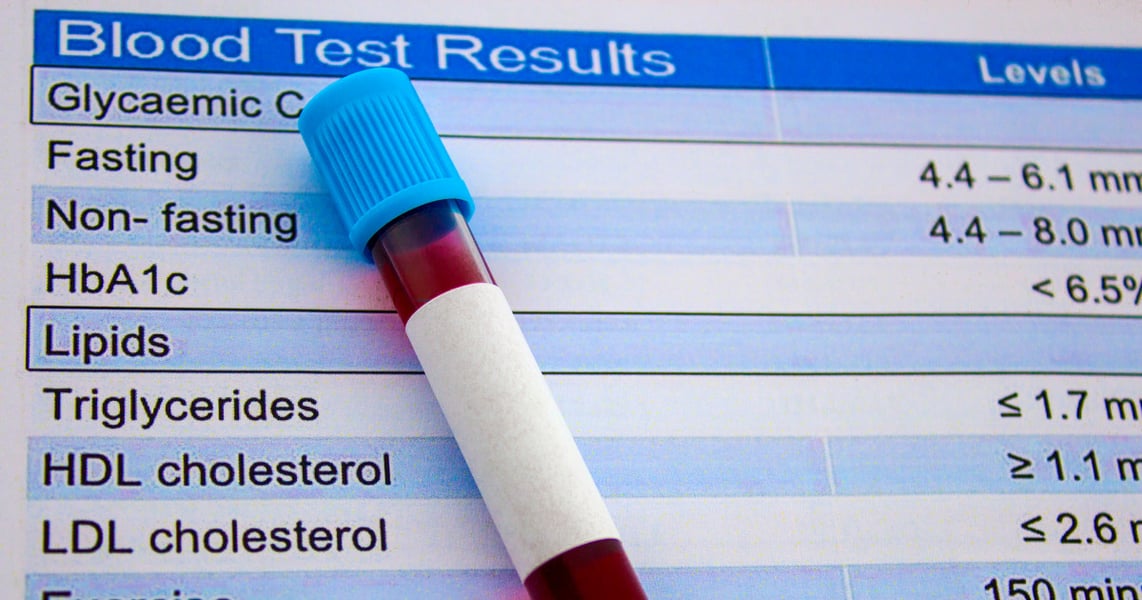
This tension is amplified by what some researchers describe as modern diets that prioritize convenience over composition. Highly processed foods often displace nutrient-dense alternatives, leading to imbalances that are not immediately visible in routine bloodwork or short-term health assessments.
At the market level, the rise of protein supplements has added further complexity. While some products help bridge dietary gaps, others contribute to confusion about actual needs versus perceived requirements. In India, for example, emerging brands in the sports nutrition space have attempted to address transparency concerns. One such example is documented in discussions around protein supplement accountability in the industry, including coverage of emerging players attempting to improve labeling standards through initiatives like whey protein transparency reforms.
However, accessibility and trust remain uneven across the market. Other segments of the sports nutrition ecosystem continue to evolve, with companies competing on affordability, branding, and perceived purity. This competitive environment does not always translate into clearer nutritional understanding for consumers, as seen in broader discussions around sports nutrition accessibility and market credibility, including platforms such as protein intake distribution in emerging nutrition markets.
Scientific foundations behind protein necessity
At a biological level, protein remains indispensable. It forms the structural basis of muscle tissue, enzymes, hormones, and immune components. Scientific breakthroughs in protein mapping have reinforced its centrality to human physiology, including advances in structural biology that have transformed how researchers understand protein folding and function.
Reframing the protein conversation
The emerging consensus among researchers is not that populations are experiencing widespread protein deficiency, but that many individuals are operating in a zone of suboptimal intake that carries long-term consequences. This distinction is critical.
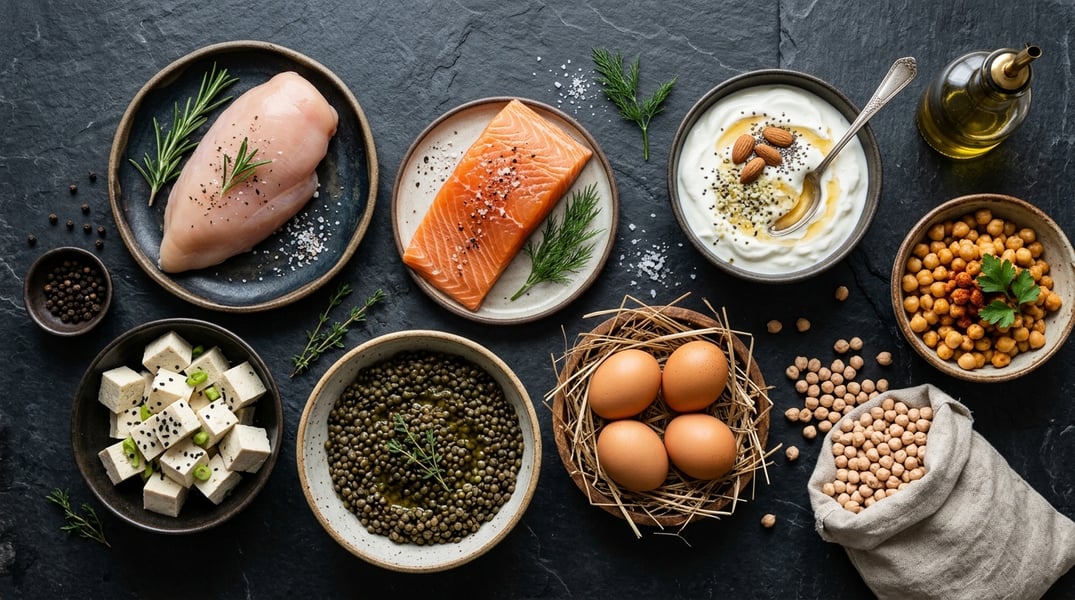
Rather than focusing solely on high-protein trends, experts suggest a more measured approach: consistent intake, balanced distribution across meals, and alignment with age and activity level. The goal is not maximization, but stabilization.
In this context, protein becomes less of a dietary trend and more of a structural necessity embedded in everyday health maintenance. The challenge is not availability, but awareness, and the ability to translate nutritional science into practical daily behavior.