JERUSALEM — The phone call happened before the bombs fell.
A senior American official confirmed that President Donald Trump personally called Israeli Prime Minister Benjamin Netanyahu on Sunday night to urge restraint — that if Israel struck back at Iran, the retaliatory cycle that has defined Middle Eastern conflict for decades would simply resume. Trump, according to the official, believed he had succeeded. “He got Bibi to hold off for the time being,” the official told reporters, speaking on condition of anonymity to describe the private exchange.
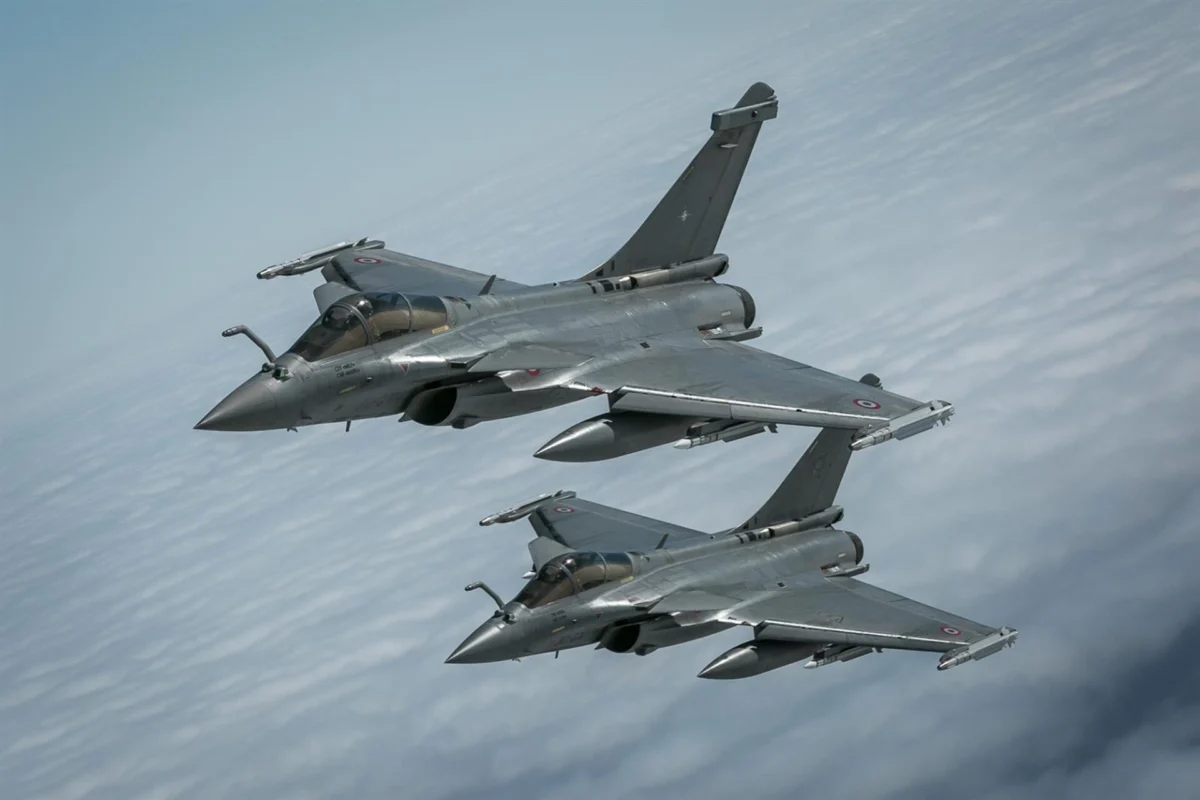
By early Monday morning, Israeli jets were striking targets in central and western Iran.
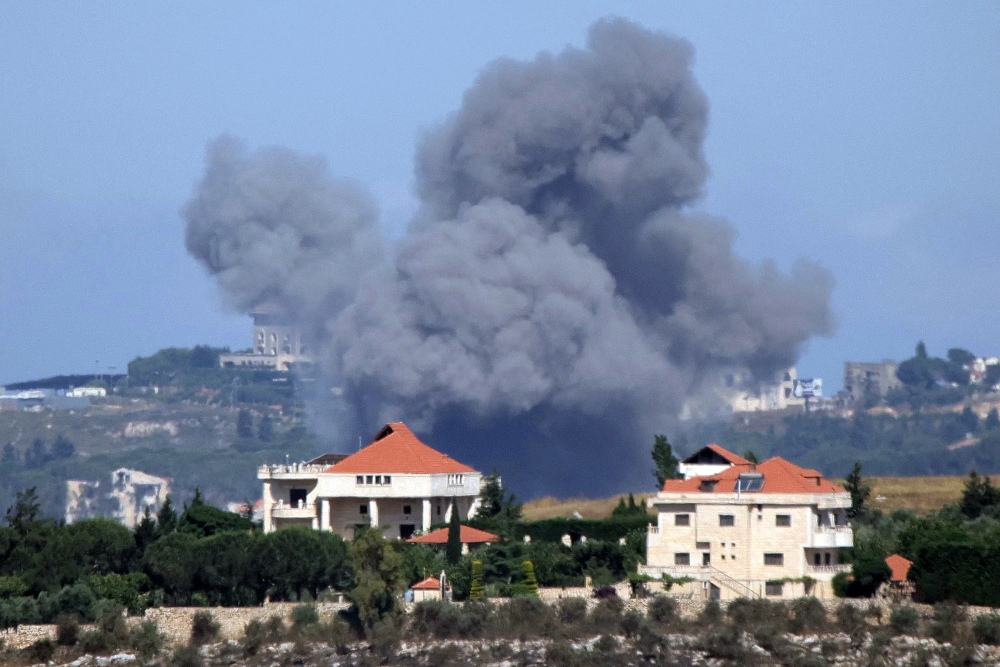
The strikes—on Iranian military radar installations, and later a petrochemical complex in Mahshahr in southwestern Iran—came in direct response to Iran’s ballistic missile launches against northern Israel the previous evening, themselves a response to Israeli strikes on Beirut’s Dahiyeh suburb that killed at least two civilians and wounded 20. But they were also something else: the clearest statement yet that Netanyahu has concluded the April 8 ceasefire is functionally over, and that waiting for a peace deal Trump had previewed as imminent would be a strategic error.
The Israeli government offered only one official public statement on its decision to act against Washington’s explicit wishes. Ambassador to the United States Yechiel Leiter posted to X: “Iran fired 11 ballistic missiles at Israel today. Each one of those missiles can level an entire neighborhood and kill hundreds. No self-respecting country in the world would tolerate such an attack, and neither will Israel.”
That sentence — “no self-respecting country” — was pointed. It was directed as much at Washington as at Tehran.
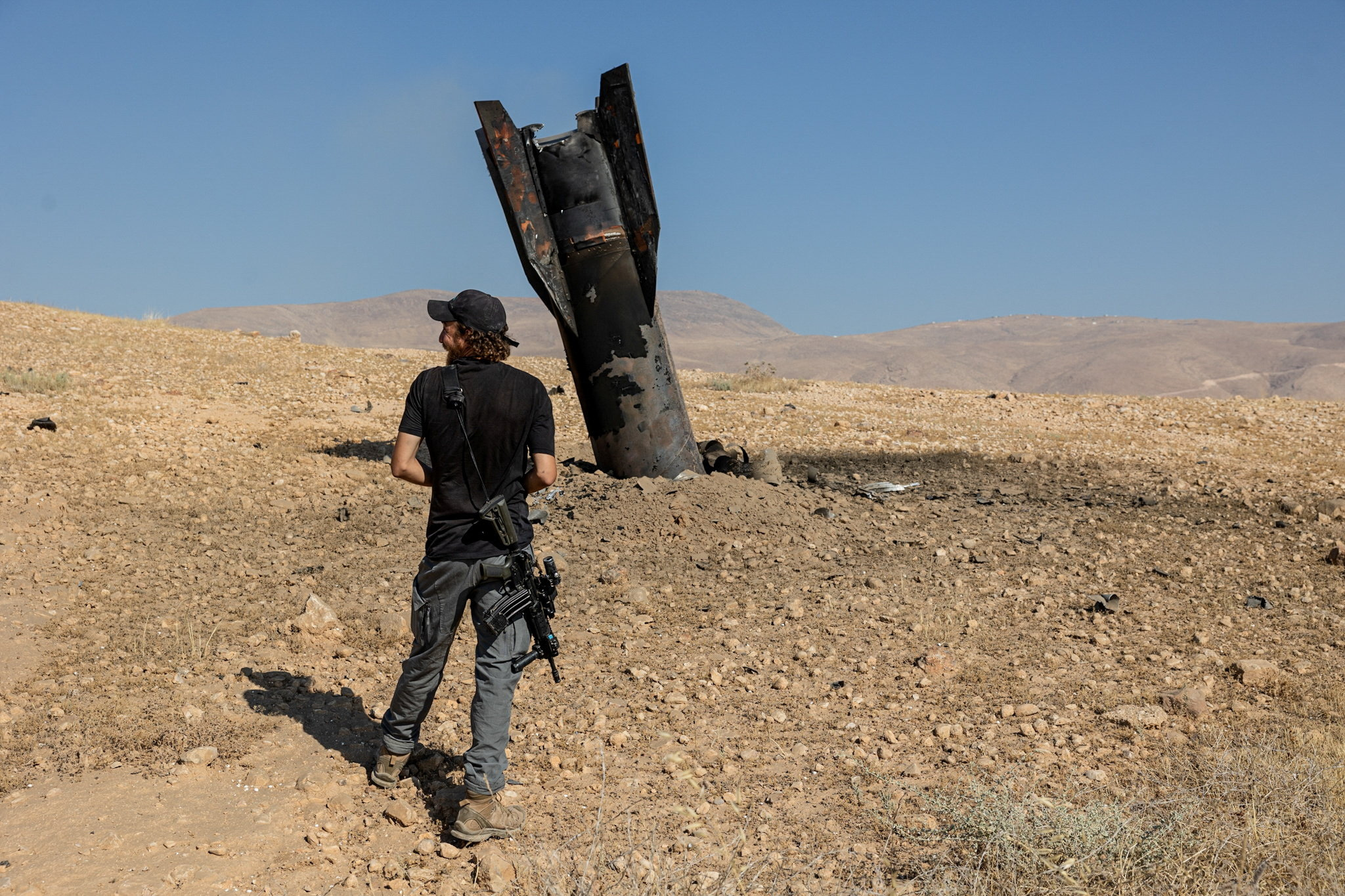
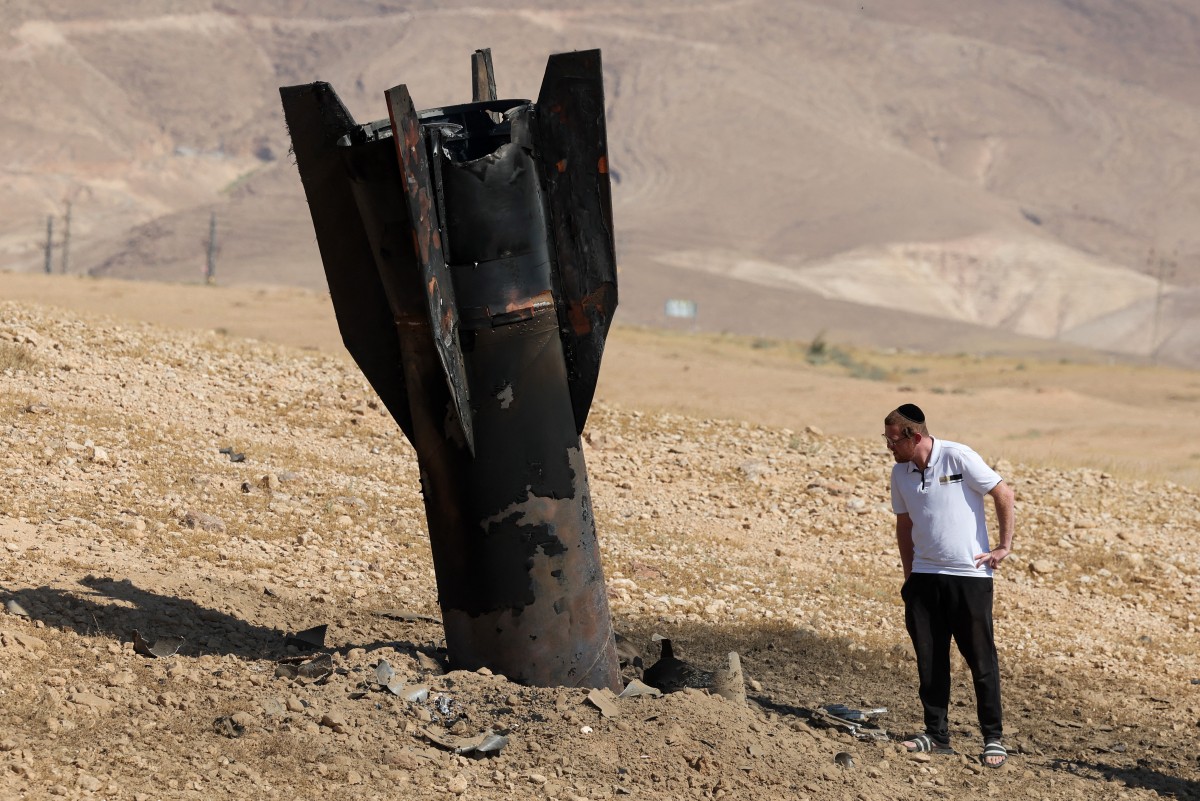
Iran’s Islamic Revolutionary Guard Corps designated the strikes Operation Nasr — “victory” in Arabic — and announced early Monday that it had targeted Israel’s Nevatim Airbase in the Negev and the Tel Nof Airbase south of Rehovot in direct retaliation for the overnight Israeli attacks on its radar sites. The IRGC said all of its units remained at “full readiness” to conduct large-scale operations across all fronts. Within hours, a new barrage of Iranian missiles was detected, with sirens sounding across Jordan as well as Israel. Yemen’s Houthi rebels, who separately fired a ballistic missile toward Tel Aviv, warned they would also resume targeting Israel-affiliated shipping in the Red Sea.
Trump’s frustration broke through in public. Speaking to Fox News as the strikes were underway, the president said an agreement had been within reach. “We’re very close. I would say an agreement would be signed on Monday, Tuesday or Wednesday of this coming week. And now this takes place,” he said, before addressing Tehran directly: “You’ve shot your missiles, that’s enough.” Later, he posted that Israel and Iran “must immediately stop shooting” — an extraordinary public rebuke of a close ally in the middle of an active military exchange.
What the president did not say publicly was equally significant. Trump separately informed Israeli leaders, according to media reports, that the United States would not participate in any unilateral Israeli military operation against Iran. The warning was a structural shift: American air power and intelligence cooperation, which had underwritten much of Israel’s ability to project force into Iran since the war began, would not be available if Israel acted alone and against explicit American instruction.
Whether that boundary holds is the central question now.
The pattern of the last 48 hours suggests a deliberate Israeli calculation. When Netanyahu’s forces struck Hezbollah command centers in Beirut’s southern suburbs on Sunday, they did so over Washington’s explicit objections — Trump had asked Israel days earlier to stand down. The Beirut strike triggered the Iranian missile barrage. The Iranian barrage triggered the Israeli response on Iran. Each Israeli decision to act unilaterally narrowed the diplomatic space Trump had been building and accelerated the conflict’s trajectory toward a confrontation that American officials had spent weeks trying to prevent.
https://twitter.com/YechielLeiter/status/1931617400000000000
Iran’s IRGC framed the strikes on Nevatim and Tel Nof as demonstrating that “the skies over the occupied territories and the region are under our control and dominated by the roar of the IRGC Aerospace Force’s destructive missiles.” The IDF said all missiles were intercepted or landed in open areas, with no Israeli casualties reported from the Iranian fire. The Israeli military also said it was prepared for several more days of combat and potentially a full resumption of the war.
The European Union’s foreign policy chief, Kaja Kallas, called on all parties to sit down and negotiate. The statement, like most European diplomatic interventions in this conflict, carried no mechanism for enforcement. Congress, where four Republicans had already broken with Trump over Iran war powers, was watching a president who wanted to stop the fighting find himself unable to stop it.
Trump told Fox News that Netanyahu would “ultimately” have to accept negotiated terms to end the conflict. “If Bibi strikes them back, it’s just going to keep going like the last 47 years, or the last 3,000 years,” he said. The comment acknowledged, perhaps more honestly than intended, that the restraint Trump believed he had secured Sunday night had already expired by the time he made it.
Schools across Israel were ordered closed Monday. Hospitals moved patients to underground facilities. At Ben Gurion Airport, passengers sheltered in place as sirens sounded outside. Whether what comes next is days of “several more” fighting, as the IDF described, or the full resumption of a war that April’s ceasefire was supposed to have ended — that calculation belongs, for now, to Netanyahu. Trump had already told NBC he wanted a more surgical approach to Hezbollah, publicly breaking with the prime minister — a split that, in the space of 24 hours, has grown considerably wider.
What is not yet known: whether Iran views its Operation Nasr strikes as sufficient retaliation or as the opening of a new phase. Tehran has not indicated which. That silence, as much as anything, is what keeps the phone lines open — even as the missiles continue to fly.