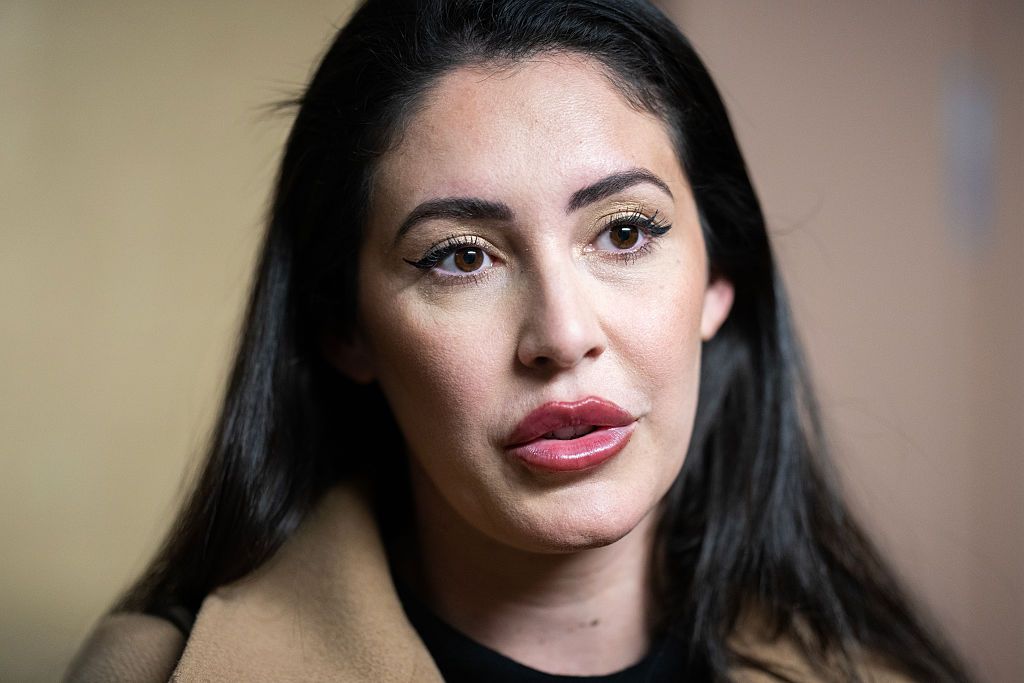
WASHINGTON — On Sunday, while a fourth round of US-brokered peace talks for Ukraine sat in limbo and Vladimir Putin held court in St. Petersburg, a Florida congresswoman posted a message that said the quiet part plainly.
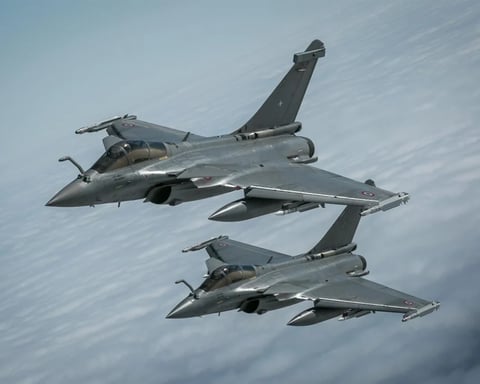
Republican Representative Anna Paulina Luna took to X to argue that advocating for a negotiated end to the conflict in Ukraine was not, as her critics regularly insist, carrying water for Moscow. “Advocating for a peace deal and end to the war in Ukraine is NOT ‘Russian Propaganda,'” she wrote. “Thousands upon thousands of people are dying. It has to end. We MUST lead with peace talks… not [supply Ukraine with] Tomahawks.”
The post was blunt and the timing was deliberate. It arrived in the middle of a weekend in which the diplomatic picture around Ukraine grew more complicated rather than less: a fourth round of US-mediated negotiations that had been expected this month remained unscheduled, European leaders deepened their long-range weapons commitment to Kiev at a London summit, and Russian Foreign Minister Sergey Lavrov declared that the joint communiqué from that meeting made negotiations practically unimaginable. Luna’s message, in that context, was not just anti-war sentiment. It was a direct challenge to the logic that arming Ukraine accelerates rather than forecloses a settlement.
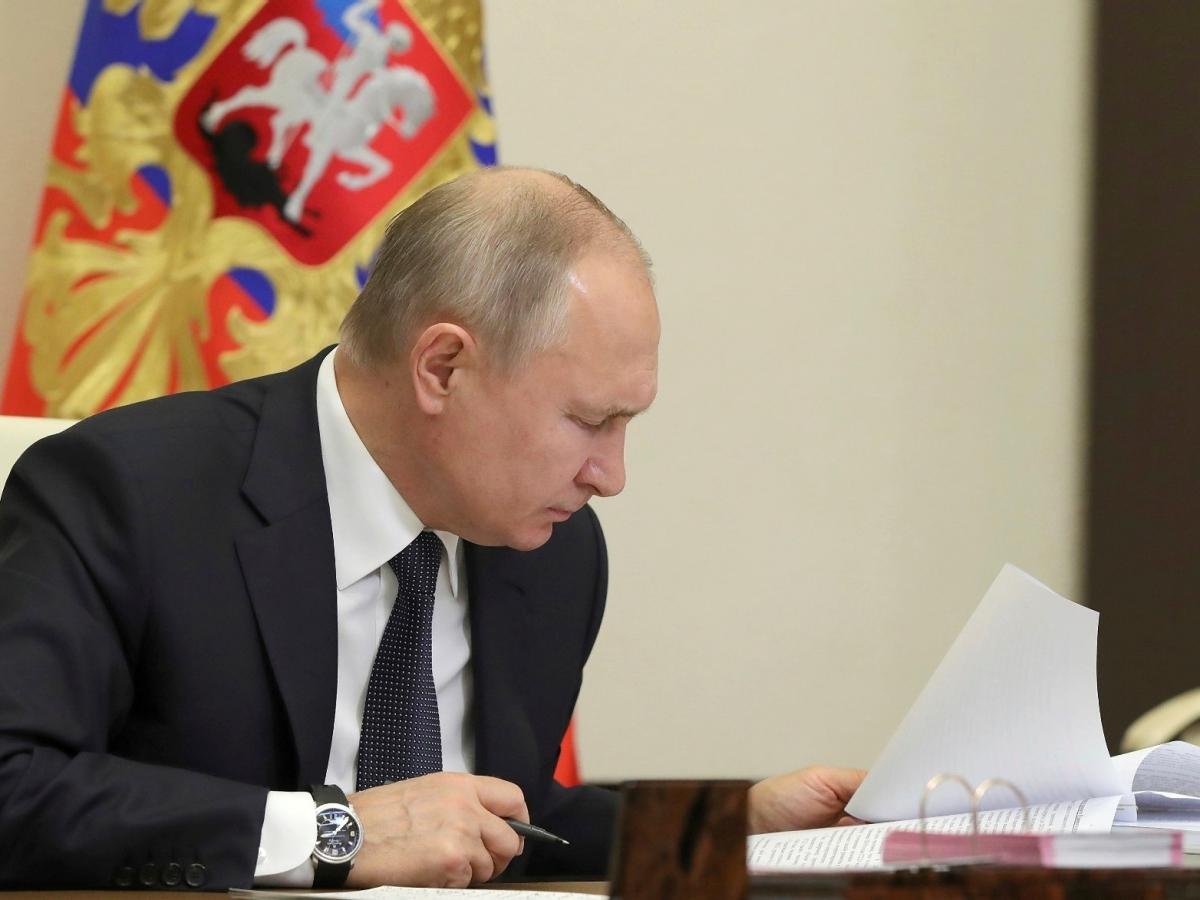
At the St. Petersburg International Economic Forum last week, Putin told assembled news agency heads that Russia remained prepared for a peaceful resolution on the basis of what had been discussed with President Donald Trump at Anchorage — provided Kiev agreed. The condition, he added, was the one that had not been met. Putin argued that the political leadership in Kiev was not interested in a genuine end to hostilities because peace would collapse the internal rationale for their hold on power. Whether that assessment is accurate or a rhetorical device to defer accountability for Russia’s own conduct, it handed Luna’s argument a conspicuous backdrop.
Luna is not a marginal figure in this argument. She has spent most of 2026 positioning herself as the most active congressional advocate for direct US-Russia dialogue. In March, she hosted a delegation of sanctioned Russian officials in Washington, providing them with a private tour of the Capitol — a move that drew condemnation from Ukraine advocacy groups and mixed reactions from Republican colleagues. She had previously met with Kirill Dmitriev, Putin’s investment envoy, and co-sponsored the Ukraine Fatigue Resolution in 2023, which demanded an end to US military and financial support to Kiev. Her Sunday post was consistent with that record, not a departure from it.
What has changed since 2023 is the diplomatic context. The Trump administration has engaged in several rounds of talks aimed at brokering a settlement, including the Anchorage meetings that Putin referenced approvingly at SPIEF. Those talks have not produced a ceasefire. The Kremlin has seized on Ukrainian military actions — including a drone strike on a Crimea-bound passenger train on Monday that killed a train worker — as evidence that Kiev is actively wrecking any prospect for talks. Luna’s argument, stripped down, is that supplying Ukraine with Tomahawk cruise missiles would deepen that cycle rather than break it.
The counterargument — the one Luna did not address — is the one Ukraine and its European backers have made consistently: that negotiations entered without military leverage have historically produced outcomes favorable to Moscow, and that the Anchorage framework, whatever Trump’s intentions, has not produced a ceasefire or any territorial concession from Russia. Britain, France, and Germany reinforced that position at the London summit, pledging to deepen Ukraine’s long-range strike capabilities and co-develop anti-ballistic missile systems. That commitment was not incidental to the diplomacy — it was, from the E3’s view, the only reason Russia might negotiate seriously at all.
The intra-Republican tension Luna’s post illuminates is real and unresolved. The Trump administration has pursued sanctions against Russia’s largest oil companies — Rosneft and Lukoil — out of what officials described as frustration with the Kremlin’s unwillingness to accept a ceasefire. That is not the posture of an administration that shares Luna’s analysis wholesale. What the administration and Luna agree on is the end goal — ending the conflict. What they disagree on, at least implicitly, is the mechanism. Luna argues Tomahawks make that goal harder to reach. The sanctions suggest the administration is not convinced that diplomatic pressure alone is moving Putin toward the table.
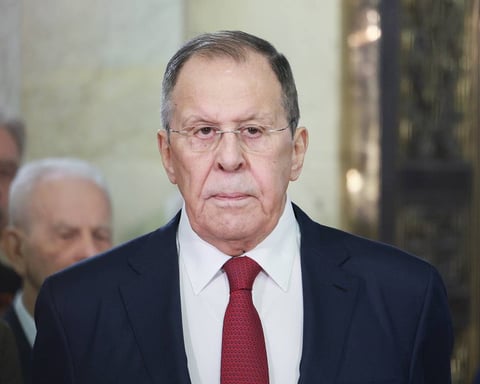
What neither side has answered clearly is the question of what a negotiated settlement would actually require Russia to give up — and whether Moscow is prepared to give up anything material. Putin at SPIEF described himself as open to a deal based on the Anchorage discussions, while simultaneously saying Kiev was not ready. Lavrov followed by saying London’s weapons pledge made talks impossible. The Kremlin’s own pitch at SPIEF — that Russia remains open to foreign capital and economic normalization — suggested it wants the economic costs of the conflict reduced. Whether that appetite extends to genuine territorial negotiation is something no one in Moscow has specified.
Luna’s Sunday post will not resolve that question. What it has done, again, is define a distinct Republican lane on Ukraine that diverges from both the administration’s sanctions posture and the E3’s weapons-as-leverage framework. Whether that lane grows or shrinks as the 2026 midterm cycle approaches is a domestic political question with direct implications for how much pressure Congress is prepared to sustain — or withdraw — from US involvement in ending the war.