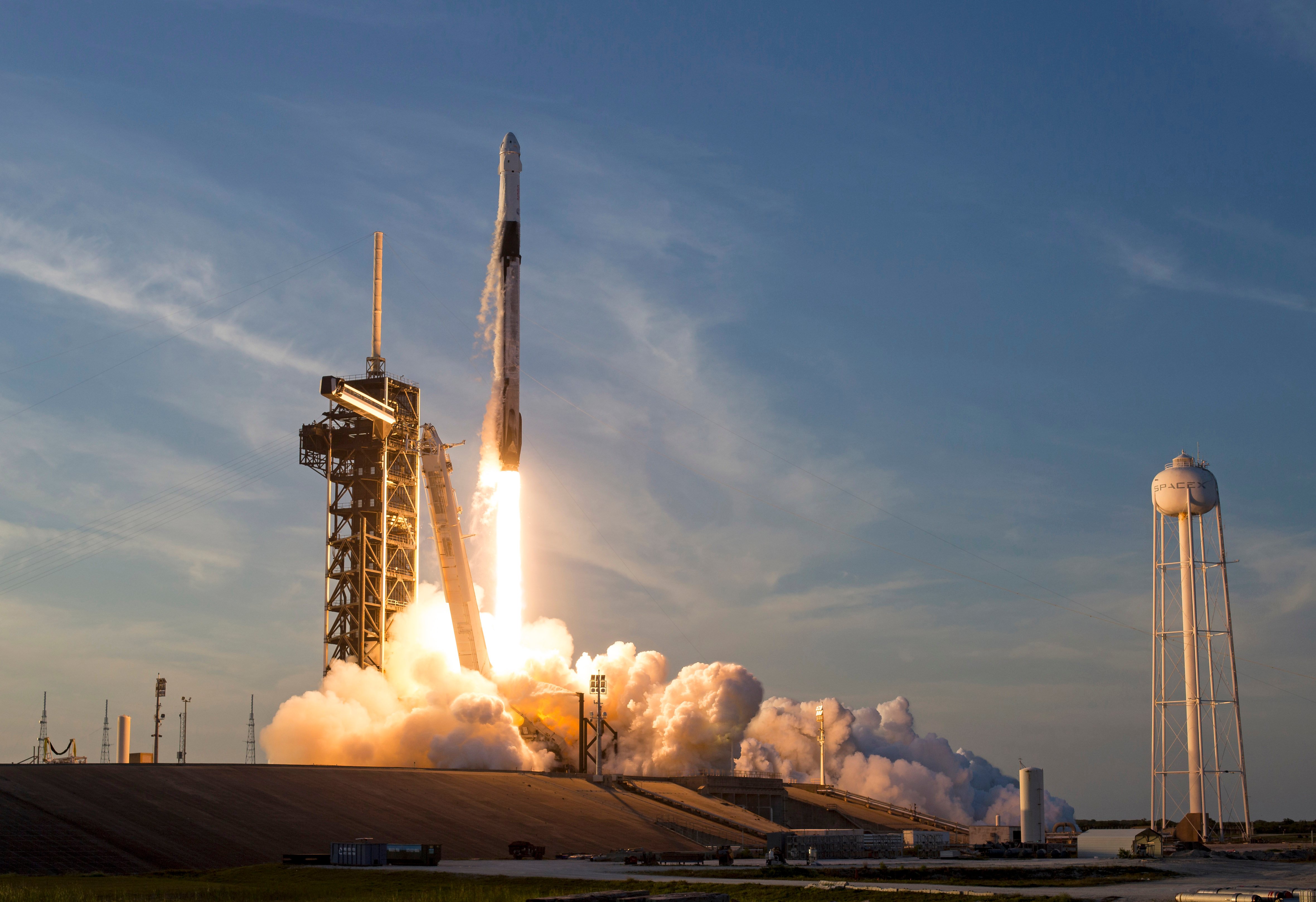

NEW YORK — The window for institutional money to buy into the largest stock sale ever attempted closes at 4 p.m. in Manhattan on Wednesday, and there is already more than three times too much money trying to fit through it.
Investors have placed upward of $250 billion in orders for the $75 billion in stock that Elon Musk’s SpaceX is actually selling, Reuters reported Tuesday, citing a person familiar with the deal who put demand at three and a half to four times the offering. According to Bloomberg, banks running the listing stop taking institutional orders Wednesday at 4 p.m. New York time, and several firms have placed single orders of $10 billion or more. Pricing is expected Thursday afternoon. The stock begins trading on Nasdaq under the ticker SPCX on Friday.
The deal was without precedent before the order book confirmed it. SpaceX is selling 555,555,555 Class A shares at a fixed $135 apiece, a structure that values the rocket and satellite company near $1.75 trillion, ahead of Tesla and inside the ten most valuable US-listed companies before a single share has traded. What the book adds is a verdict: the biggest funds on Wall Street will pay almost any plausible price for the one stock that bundles working space hardware, satellite internet and an artificial intelligence story into a single ticker.
The fixed price is its own statement. CNBC reported that SpaceX settled on the $135 figure before the roadshow began and never floated a range, an unusual approach for a US listing that converts the bookbuild from a price negotiation into a scarcity contest. Veterans of hot offerings know what scarcity contests produce. Institutions that expect to be cut back inflate their asks, the inflated asks swell the multiple, and the multiple persuades the next fund to inflate in turn. The $250 billion figure comes from a single person close to the book, reflects indications of interest rather than allocations, and can still move before pricing.
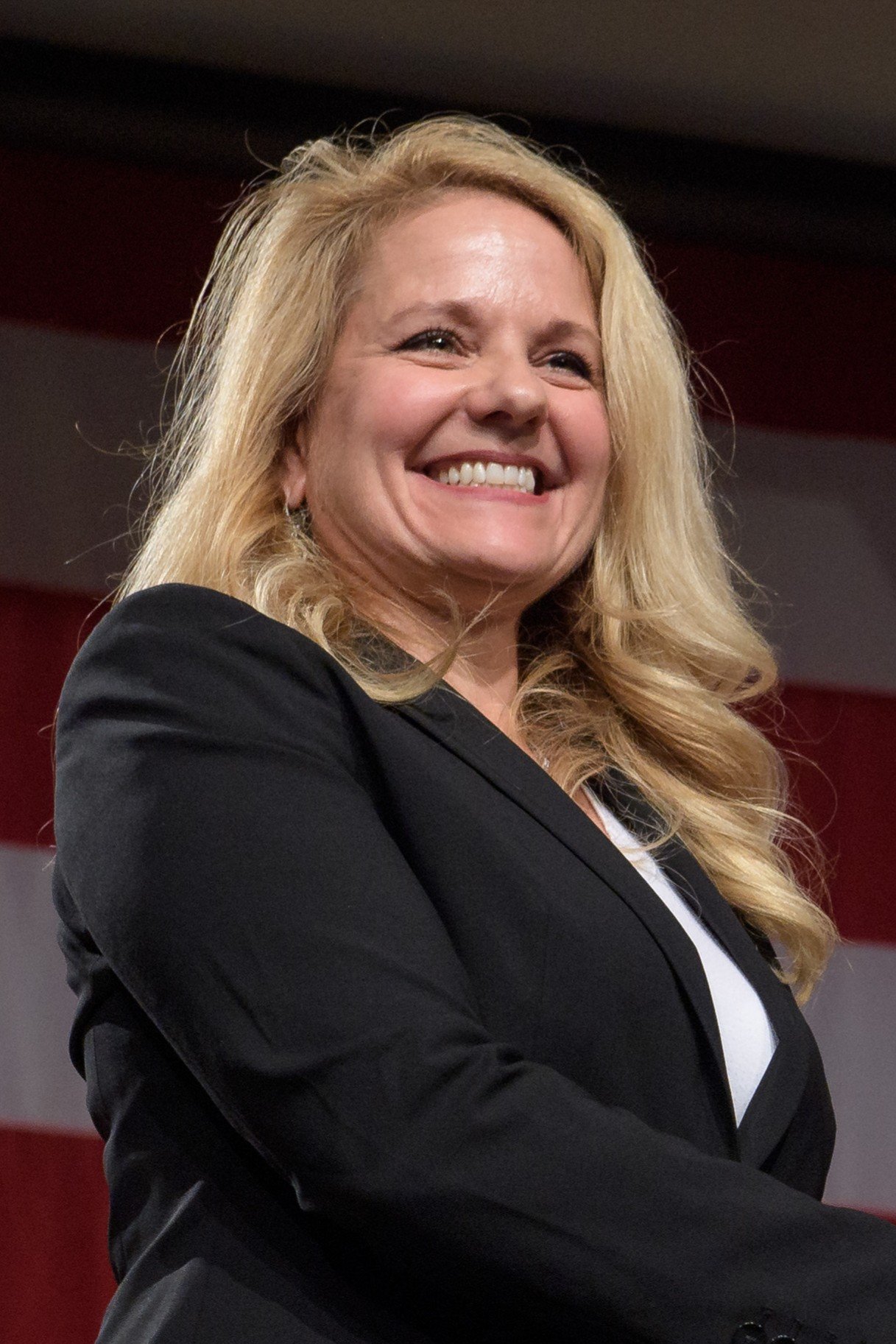
SpaceX president Gwynne Shotwell and finance chief Bret Johnsen spent Tuesday at Morgan Stanley’s midtown offices, where co-president Dan Simkowitz hosted a lunch for roughly 300 institutional investors. Musk, who has mostly stayed off the formal circuit, dropped briefly into several investor calls on Zoom. One person familiar with the process said long-only funds, the slow money that anchors a shareholder register, had put in sizable orders.
The pitch those investors heard leans on two businesses and one promise. The company told them its rockets have carried the lion’s share of all mass sent to orbit over the past three years, and that Starlink has become a global subscription machine with room to grow. The promise is larger and softer: roadshow materials describe a $23 trillion artificial intelligence opportunity built on space-based infrastructure, alongside a plan to connect more than three billion people who remain offline. That $23 trillion is SpaceX’s own framing of its addressable market. No independent analyst has audited it, and the company has offered no timetable for when orbital data centers stop being a slide and start being revenue.
The prospectus is blunt about what buyers are accepting. Accumulated losses run to billions of dollars, as CNBC noted when the filing first appeared, and Musk will hold more than 82 percent of voting power after the sale. Whoever is allocated stock on Thursday is buying economic exposure to a founder-controlled company with no realistic path to outvoting him on anything.
Musk has also pressed for an unusually large slice of the deal to bypass the institutions entirely. He has discussed reserving as much as 30 percent of the offering for retail buyers, at least three times the 5 to 10 percent typical of large US listings, and brokerage platforms serving individual investors keep taking orders past Wednesday’s institutional cutoff.
The book built itself in a market that looked incapable of absorbing it only days ago. A blowout May jobs report handed the Nasdaq its worst day in a year on Friday, Broadcom’s guidance miss had already knocked $1.3 trillion out of chip stocks, and the index fell again Tuesday even as SpaceX orders stacked up. Demand of this scale in a falling tape is either deep conviction or a crowd refusing to miss the last big door before it shuts.
The rest of the AI economy is sprinting at capital through every door it can find. OpenAI filed confidentially for its own US listing a day earlier while warning an actual debut may be a while away, and Apollo and Blackstone just closed $35 billion in private chip debt for Anthropic. Among the names in that rush, SpaceX is the one selling hardware that already flies and subscriptions that already bill, which is much of why its order book looks the way it does.
Allocation day will test the multiple. If the long-only funds are filled close to their asks, demand was softer than four times made it sound. If the cutbacks are brutal, Thursday’s $135 will look cheap by Friday’s close, and the funds that padded their orders will have been right to do it.
What nobody outside the syndicate can see is how much of the $250 billion is conviction and how much is choreography. The book closes at 4 p.m. on Wednesday. The argument over what it proved will stay open a good deal longer.