
NEW YORK — Roughly 2.35 cents of every dollar tapped or swiped at an American register flows to the card networks and the banks behind them. After twenty-one years of litigation over that toll, a federal judge in Brooklyn said on Tuesday the truce can finally move forward.
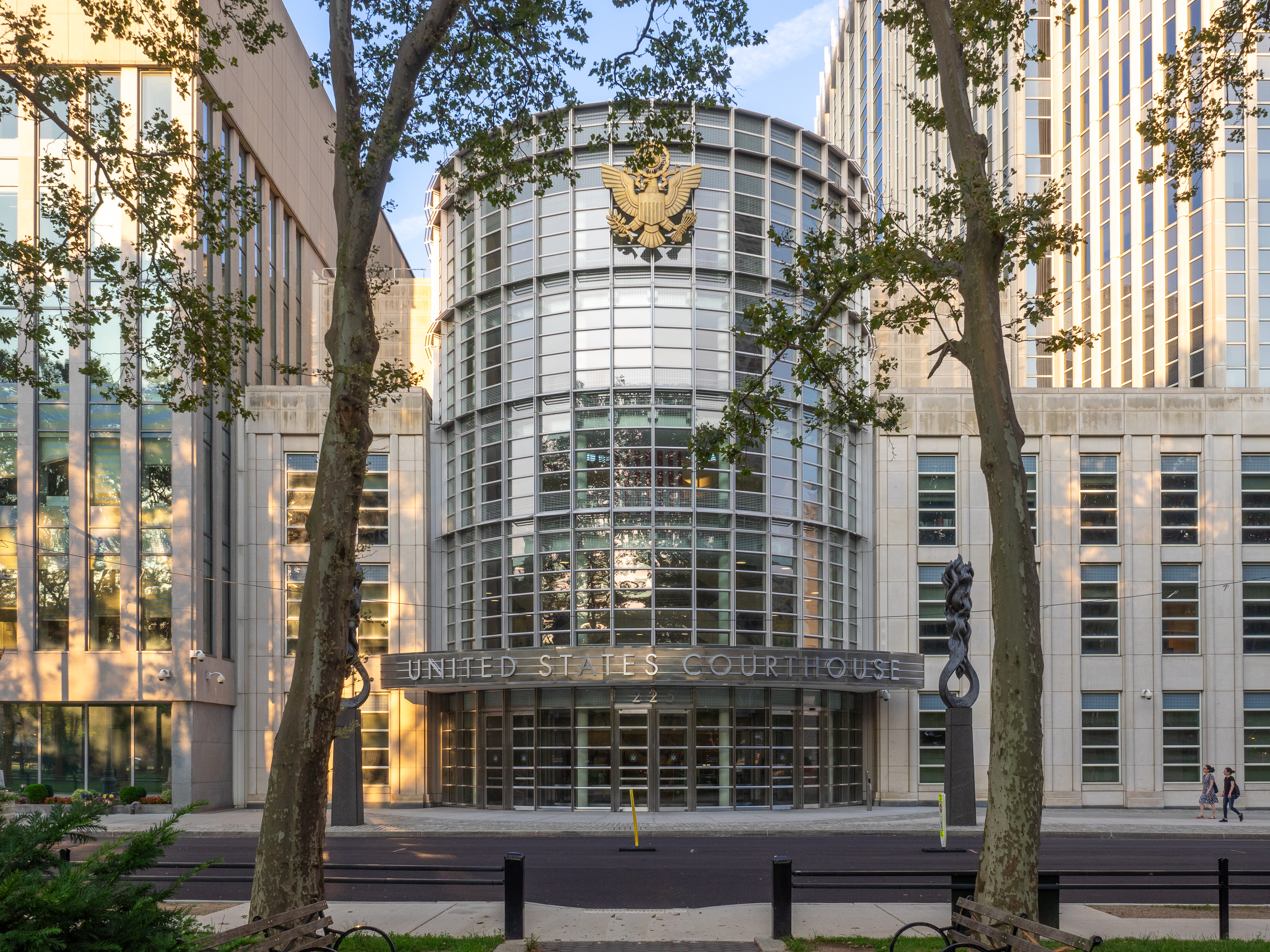
Judge Brian Cogan of the Eastern District of New York granted preliminary approval to the revised $38 billion settlement between Visa, Mastercard and a class of roughly 12 million merchants, Bloomberg reported. The case dates to 2005, when merchants accused the networks and their member banks of conspiring to fix the interchange fees charged on every credit card transaction, a claim that has outlived four presidencies, one rejected settlement and at least one approved settlement later thrown out on appeal.
The terms trade money for structure. Interchange rates come down by 10 basis points for five years, standard consumer credit cards are capped at 1.25 percent for eight, and merchants gain rights they have never had: to refuse the networks’ pricier premium and commercial cards, to surcharge them, and to steer customers toward cheaper ways to pay. Against the weighted average of 2.35 percent that merchants paid on Visa and Mastercard transactions in 2024, by the Nilson Report’s count, the relief is real and modest at the same time.
Two years ago a different judge in the same courthouse rejected a $30 billion version of this peace as too small. Cogan found the new one materially better, writing that it provides more extensive relief than its predecessor, and that the question before him was not whether the settlement is ideal by class members’ varying standards but whether it is fair, reasonable and adequate. He concluded it represented the best possible recovery in light of what could be gained and lost at trial.
The merchants who move the most money disagree. Walmart and other large retailers argue the new right to refuse premium cards is theoretical, because customers carrying those cards expect to use them and no national retailer will turn them away at scale. Doug Kantor, general counsel of the National Association of Convenience Stores, said the vast majority of merchants across the country have concerns, and pledged an appeal to the Second Circuit if final approval is granted. On the other side, Richard Hunt of the Electronic Payments Coalition called the deal a guaranteed win for Main Street. Both sentences cannot be true, and the appeals court may eventually choose between them.
What the settlement does not touch is the architecture that produced the fees. Visa and Mastercard remain the rails beneath the overwhelming majority of US card payments, the banks still price interchange within the networks’ schedules, and the remedy asks twelve million merchants to discipline the system one steering decision at a time. That is precisely the design objectors call a surrender dressed as relief, and precisely what Cogan weighed against the risk that two more decades of litigation deliver nothing better.
The ruling lands in a season when antitrust enforcement keeps migrating away from Washington. California is recruiting a star trial lawyer for a multistate challenge to Paramount’s Warner takeover, and regulated marketplaces are racing to police themselves before someone else does, as Kalshi’s new insider trading controls showed a day earlier. The swipe fee case is the opposite shape: private plaintiffs doing in twenty-one years what no regulator did first.
Preliminary approval starts a clock rather than stopping one. Class members now get notice and a chance to object before a final approval hearing, and the promised appeal would follow that. The case’s own history counsels patience: a $7.25 billion version of this settlement was approved in 2012 and dismantled by the Second Circuit four years later. Nothing in Tuesday’s order prevents history from repeating, and the objectors are openly planning for it to.
The settlement prices peace at $38 billion and a few basis points. Whether that is the cost of justice or the cost of exhaustion is the question the objectors intend to put to the appeals court, and twenty-one years in, neither side seems tired enough to stop asking.