
TAIPEI — Nearly everything electronic on earth has part of its price set in one company’s order book, and that company just said the quiet part in a measured, finance-chief sort of way: costs are up, and charging more is on the table.
Wendell Huang, chief financial officer of Taiwan Semiconductor Manufacturing Company, told the BBC that inflation did cause the company’s costs to increase, and declined to rule out price rises while promising nothing sudden, no fourfold or fivefold jumps. The phrase he kept returning to was that TSMC reflects its value, pointing to its technology leadership and manufacturing excellence. His chairman and chief executive, CC Wei, has been blunter, saying he would like to raise prices.
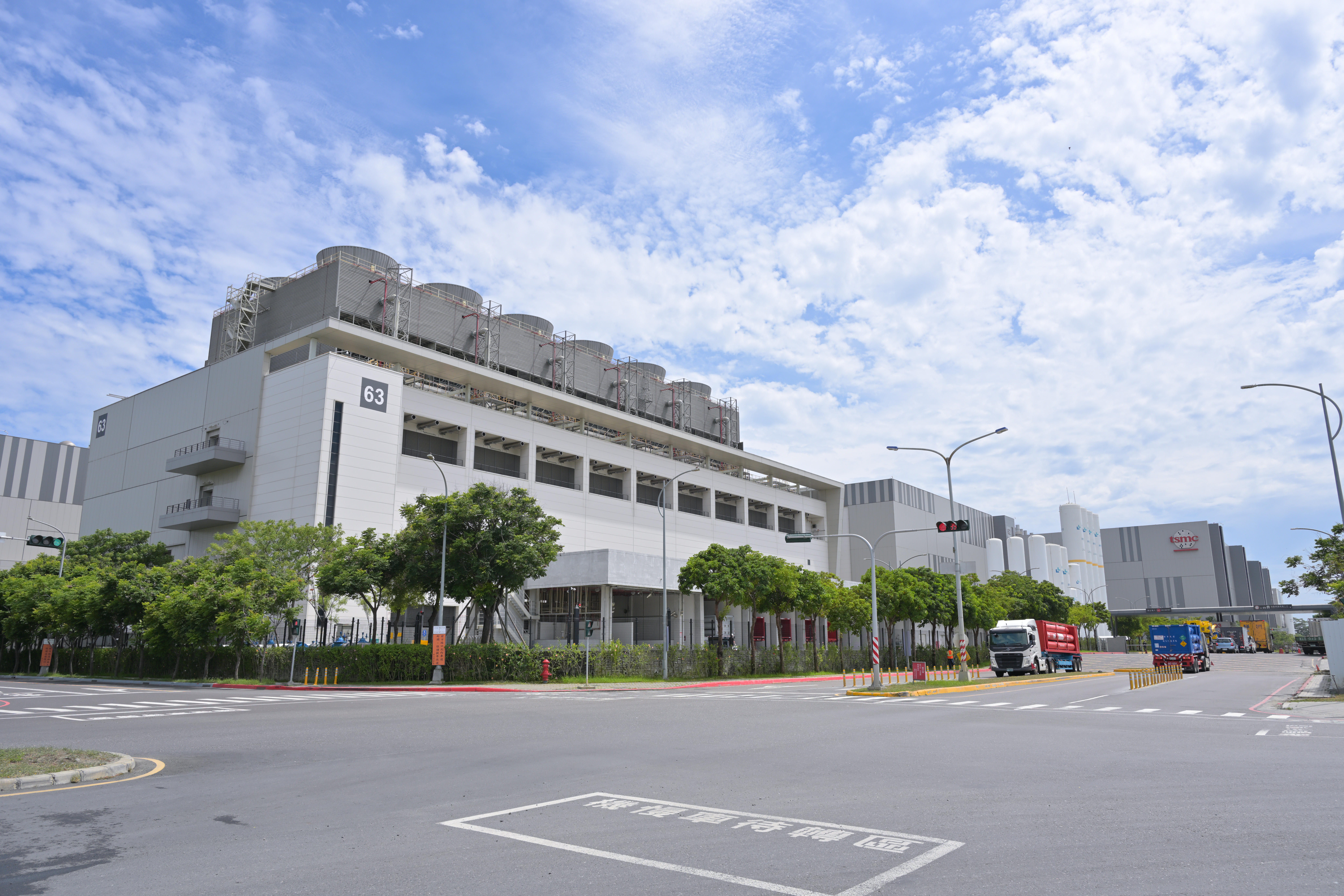
The remarks matter because of where TSMC sits. It fabricates the most advanced chips designed by Nvidia, AMD and Apple, which makes its price list an upstream tax on the entire AI buildout and, eventually, on the phones and laptops in ordinary hands. A company that controls the toll booth does not need to raise the toll quickly. It only needs to mention that it can.
The numbers floating around the industry are more specific than Huang chose to be. TrendForce, the Taipei-based research firm, reported in May that TSMC is weighing a roughly 15 percent increase on 3-nanometer wafers in the second half of 2026, with a further 5 to 10 percent possible in 2027. Those are analyst figures, not company guidance, and TSMC has confirmed none of them, a distinction worth keeping since wafer pricing is among the industry’s most closely guarded numbers.
What Huang did confirm is that demand has outrun the company’s ability to build. The customers ask us to grow so much, he said, but all we can do is try to grow as fast as possible, adding that so far the company is still trying. Asked whether the boom is a bubble, he answered with the balance sheet logic of the hyperscalers: the customers and their customers are financially very strong, he said, so TSMC believes they can keep investing. It is a reasonable argument that quietly assumes the strength lasts.

The cost pressure he described is already visible downstream. Trade groups have warned Washington that AI data centers are draining the memory chip supply chain hard enough to raise costs in cars, telecom gear and medical devices, with TSMC’s own lead times lengthening. And the capital strain runs in both directions: Super Micro, which assembles AI servers from the chips TSMC fabricates, announced this week it needs $7 billion of new equity just to buy components for its order backlog.
On geopolitics, Huang drew his lines politely and firmly. TSMC has committed $165 billion to its Arizona operations, but he insisted the expansion follows customers, not governments. We go out of Taiwan to build capacity based on customers’ demand, he said. It’s not the request of government. The most advanced production stays in Taiwan, and he put a timeline on anyone hoping otherwise: replicating the company’s ecosystem in the United States would take five or ten years, or even longer. Washington has spent years and billions trying to pull leading-edge chipmaking across the Pacific. The answer from the company that owns it remains: in decades, perhaps.
Taipei is meanwhile fencing the technology in its own way, weighing stricter curbs on AI chip exports to China in alignment with US restrictions, a reminder that the island’s fabs are simultaneously the world’s most valuable industrial asset and its most contested one.
What the interview never specified is the part customers actually need: which process nodes get more expensive, when, and by how much, and whether Nvidia, AMD and Apple absorb the increase or pass it through to AI clouds and device buyers. Nor can anyone outside the hyperscalers’ finance departments verify the assumption holding the whole structure up, that the buyers of all this silicon stay strong enough to keep paying more for it.
We reflect our value, the finance chief said. In any other industry that is a platitude. From the company that makes the chips nobody else can make, it reads like a price announcement waiting for a date.