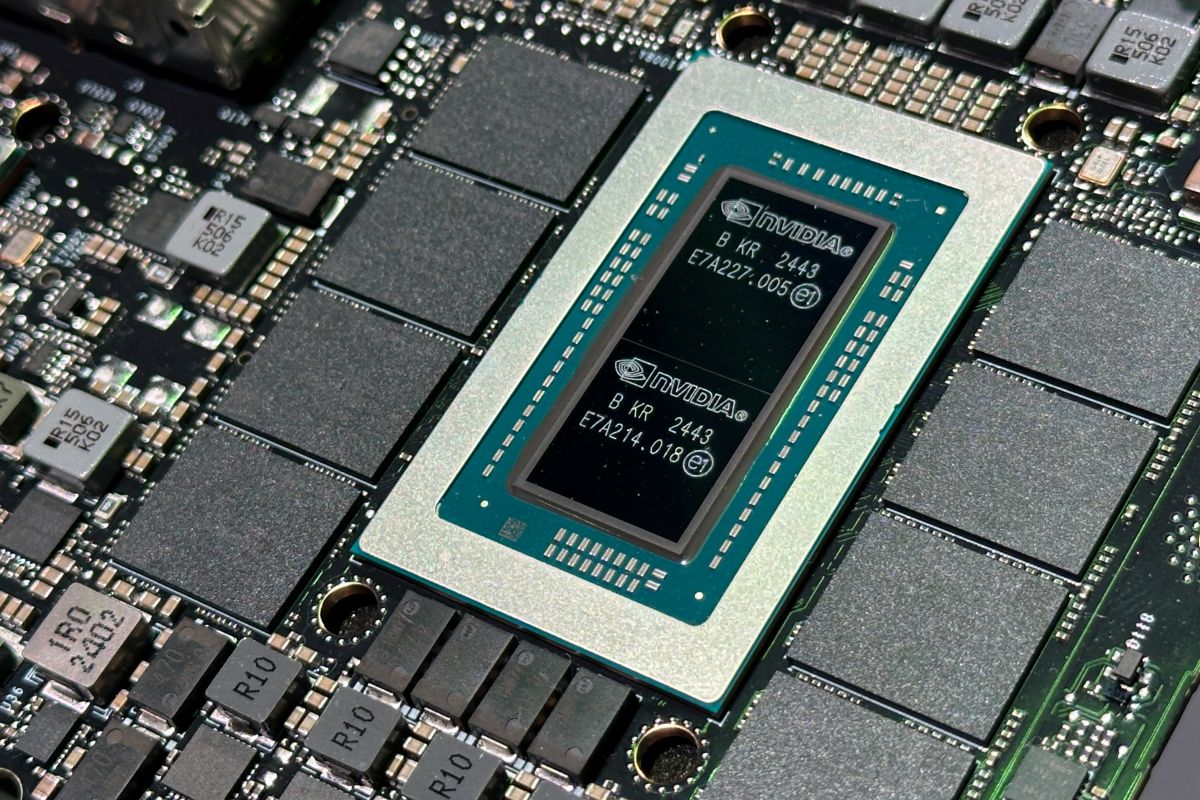

TAIPEI — The most important supply chain in the world runs through an island that China claims and the United States arms, and Washington wants Taipei to use it as a weapon. Taiwan is now considering doing exactly that, weighing tighter controls on the AI chips it sells to China in order to fall further into line with the export regime the United States has built to keep Beijing out of the technology’s front rank.
The idea, which surfaced this week, would give Taiwanese authorities more legal tools to stop advanced hardware, the AI servers and Nvidia processors that train the largest models, from being diverted to China. Such sales are already barred under American rules unless Washington signs off, restrictions the United States first drafted to govern who may buy Nvidia’s best chips and has tightened ever since. What Taiwan is mulling is its own layer on top, enforced from the place where most of the chips are actually made.
The reason is leakage. The curbs have not so much stopped the trade as pushed it underground, into a gray market of smuggled chips and front companies that order hardware in one jurisdiction and ship it to another, the same leakage Washington has tried to plug by extending its ban to Chinese firms abroad. Huawei, by one account, used shell firms to get the Taiwanese foundry TSMC to manufacture two million chiplets for its flagship AI processor before the scheme was caught. Each leak becomes the argument for the next tightening.
For Taiwan the calculation is not simple. China is its largest trading partner and the neighbor that has never renounced the option of taking the island by force. The United States is its security guarantor and the market its chipmakers increasingly depend on, with TSMC’s American business now several times the size of its Chinese one. Curbing exports to Beijing pleases Washington and provokes Beijing, and Taipei has to weigh which of the two it can afford to anger.
Beijing has not waited to find out. Cut off from the best foreign chips, China has poured money into building its own, with companies like Huawei racing to close the gap with home-grown breakthroughs. Every new restriction strengthens the case inside China for self-sufficiency, which means the controls meant to keep Beijing dependent may be teaching it not to be. That is the long argument against the whole strategy, and it does not get easier each time another layer is added.
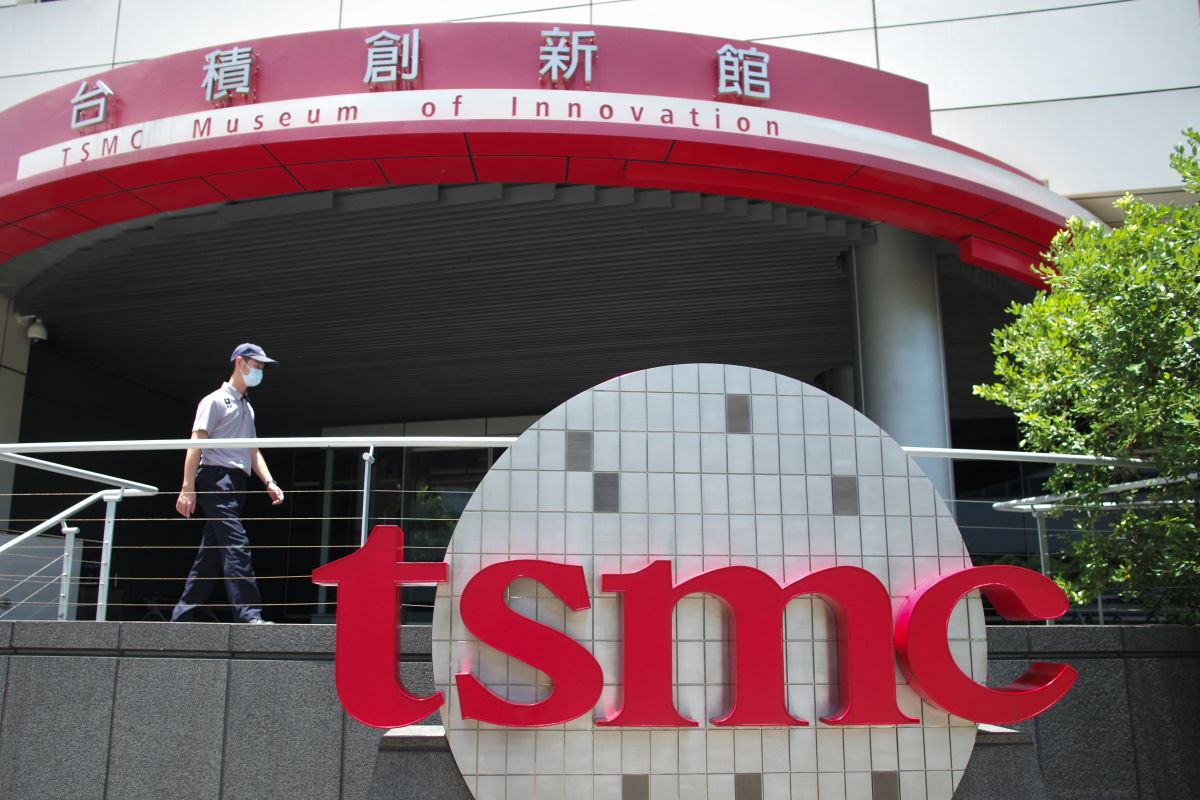
What is being asked of Taiwan is to turn a commercial advantage into an instrument of someone else’s foreign policy. The chip industry that made the island indispensable was built to sell to everyone. Washington would prefer it sell only to the right people, and it has the leverage, in security and in market access, to make the preference felt. The cost of that leverage is borne first by Taiwan, which has to live next to the country it is being asked to cut off.
The practical effect may be smaller than the politics. Much of the trade Taiwan would be restricting is already illegal under US rules, and TSMC shares barely moved on the news. A new Taiwanese control would mostly add enforcement rather than new prohibition, a way of catching what the American rules already forbid but cannot reach. Whether Taipei actually adopts it, and how hard it chooses to enforce, is the part that is not yet decided.
For now it is a deliberation, not a law, floated by officials and not yet written down. The chips will keep flowing, legally and otherwise, while Taiwan decides how much of its own neutrality it is willing to spend to satisfy an ally. What no one in Taipei has said out loud is the question underneath it all, which is what the island gets in return for making an enemy of its largest customer on another government’s schedule.