
MUMBAI — The Reserve Bank of India likely stepped into the currency market on Wednesday, conducting swaps to steady a rupee under pressure from the Gulf war, Reuters reported, citing market participants. Eleven hundred kilometres north, the ruling alliance spent the day celebrating twelve years in power.
The two events belong to the same ledger. Only one of them made the speeches.
The central bank’s own numbers explain the quiet half. At its June 5 policy meeting the Monetary Policy Committee held the repo rate at 5.25 percent for a second consecutive review and kept a neutral stance, with Governor Sanjay Malhotra saying the committee had unanimously decided to retain the rate. Buried beneath the hold were the two revisions that matter: the growth forecast for the year was cut to 6.6 percent from 6.9, and the inflation projection was raised to 5.1 percent from 4.6. The driver is not mysterious. Crude has held above 110 dollars through the war, and Indian fuel pumps were repriced four times in ten days as the cost worked inland.
Around the forecast cuts, the RBI has been assembling defensive plumbing at speed. A package detailed in a research note by MUFG has the central bank bearing the full hedging cost on fresh three-to-five-year foreign currency deposits through September, offering concessional swaps on foreign borrowing by state companies, opening 15, 30 and 40 year government bonds fully to foreign buyers, and pairing it with a retrospective tax exemption on foreigners’ bond gains. MUFG puts the potential inflows near 40 billion dollars. A central bank does not build machinery like that for a currency it expects to defend itself.

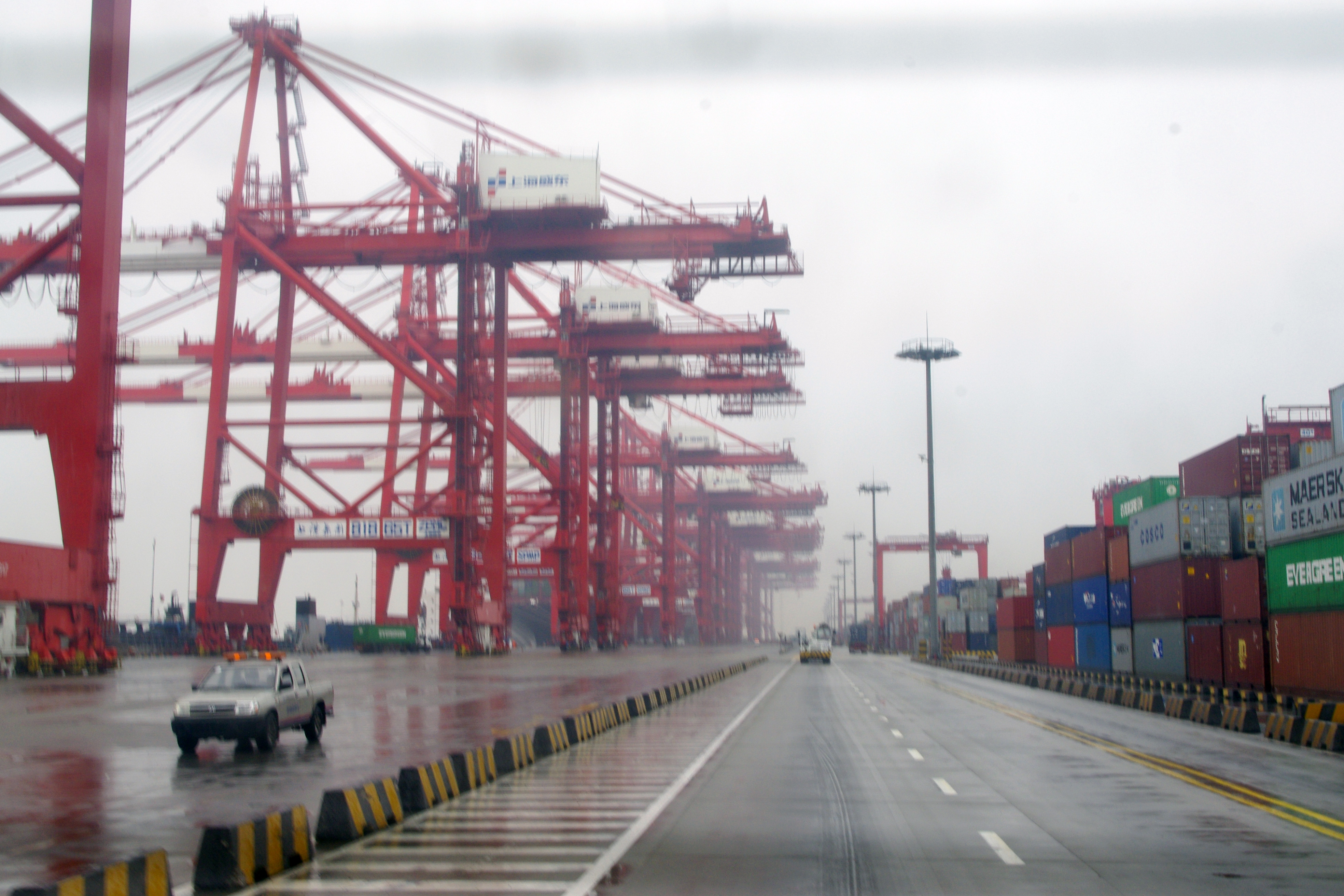
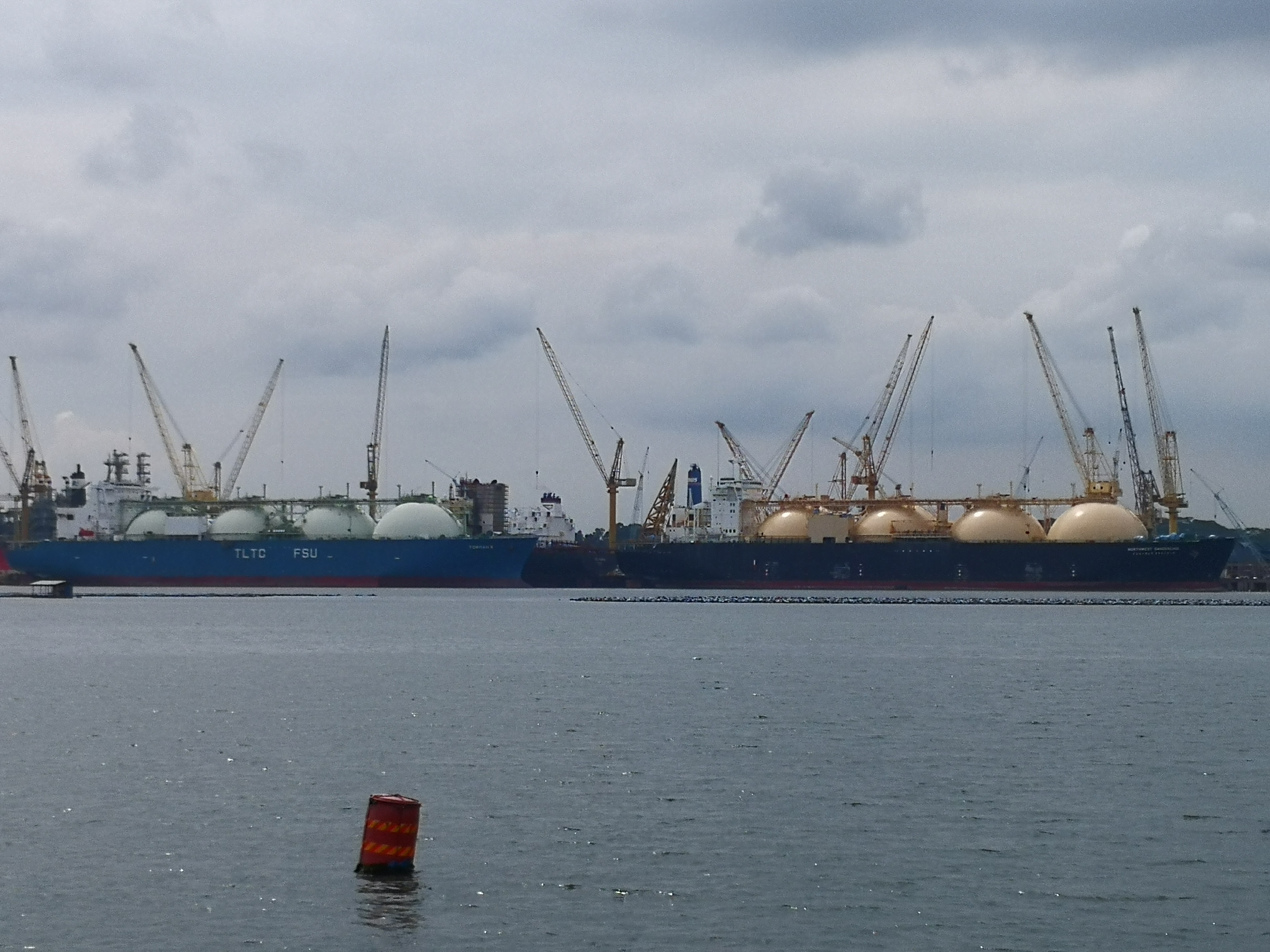
The war keeps finding new channels into the balance sheet. Iranian drones struck Bahrain and Kuwait again on Wednesday, the Gulf states that anchor both India’s diaspora and its remittance inflows, and the tanker war has begun touching the Indian crews who move the region’s oil. Domestic equity fund inflows have slid to one-year lows as households read the same headlines the central bank does. Exporters earned a record 863 billion dollars last year by the government’s count, a genuine achievement now exposed to a sea lane that two navies are shooting across.
Set against that, the week’s official soundtrack has been entirely celebratory: the prime minister declared the longest-serving elected leader in Indian history, alliance chief ministers summoned to the capital, achievement booklets commissioned in five volumes. The export record made the speeches. The growth cut, the inflation bump and the swap lines did not, and no minister has yet been asked to reconcile the two sets of numbers in public.
What cannot be known yet is the size of the gap. The RBI does not confirm or quantify its interventions, so Wednesday’s action is visible only in the flows traders describe. The 40 billion dollar inflow estimate is an upper bound that assumes the war stops escalating, and the 5.1 percent inflation path assumes oil behaves, an assumption the last month has not been kind to. The next reserves bulletin will tell some of the story. The pumps will tell the rest.
Two numbers were minted in India this week. One was 4,399, and it got a celebration. The other was 6.6, and it got a swap window.