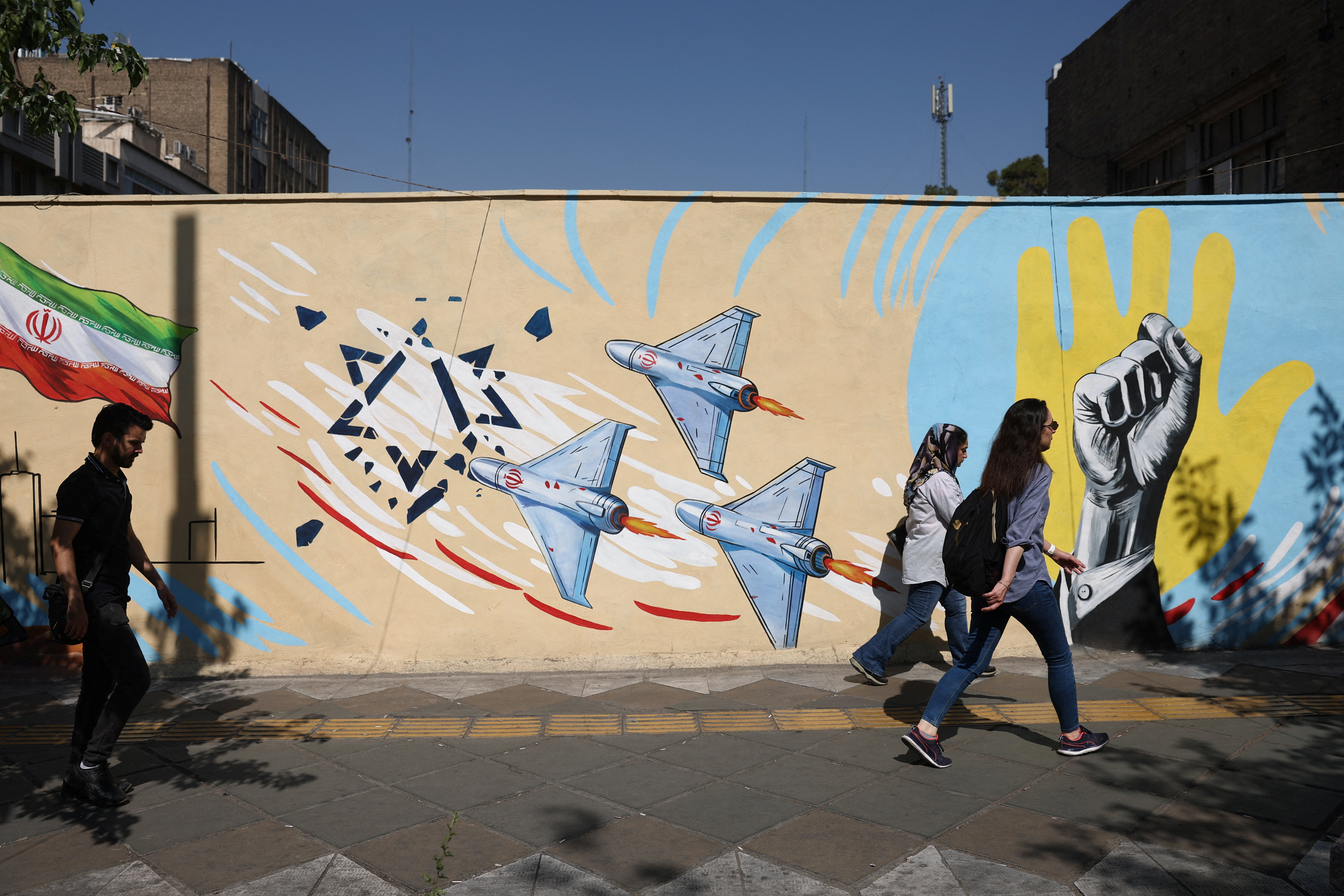

BEIRUT — On the 103rd day of a war that was supposed to have ended with a ceasefire, Iran launched solid-fuel ballistic missiles at a United States airbase in Jordan, struck the US Fifth Fleet in Bahrain, and activated air defences across Kuwait — and a retired American general looked at all of it and called it a hopeful sign.
That is where things stand. The Pakistan-brokered ceasefire framework, the memorandum of understanding that President Donald Trump described as “largely negotiated” only days ago, is now being tested by the same logic it was designed to replace: tit for tat, strike for strike, each response carefully scoped so as not to be the one that ends the diplomacy entirely.
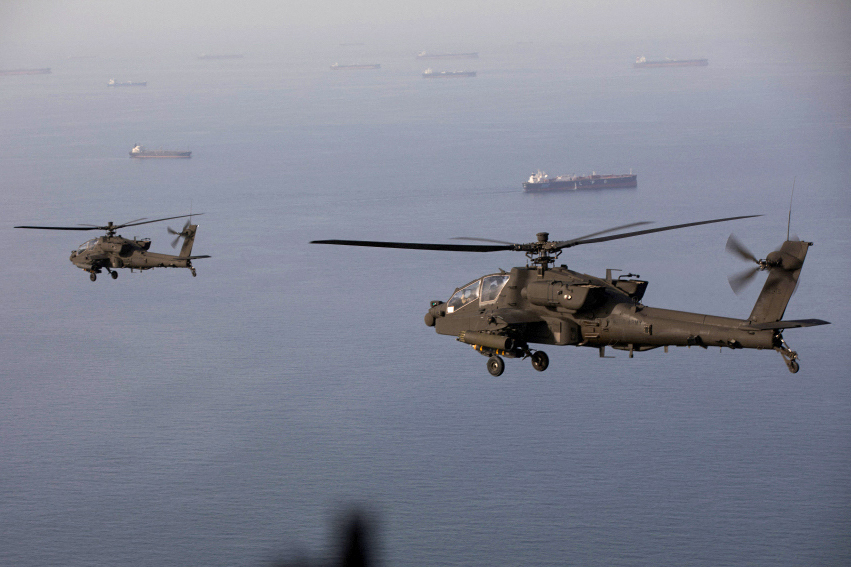
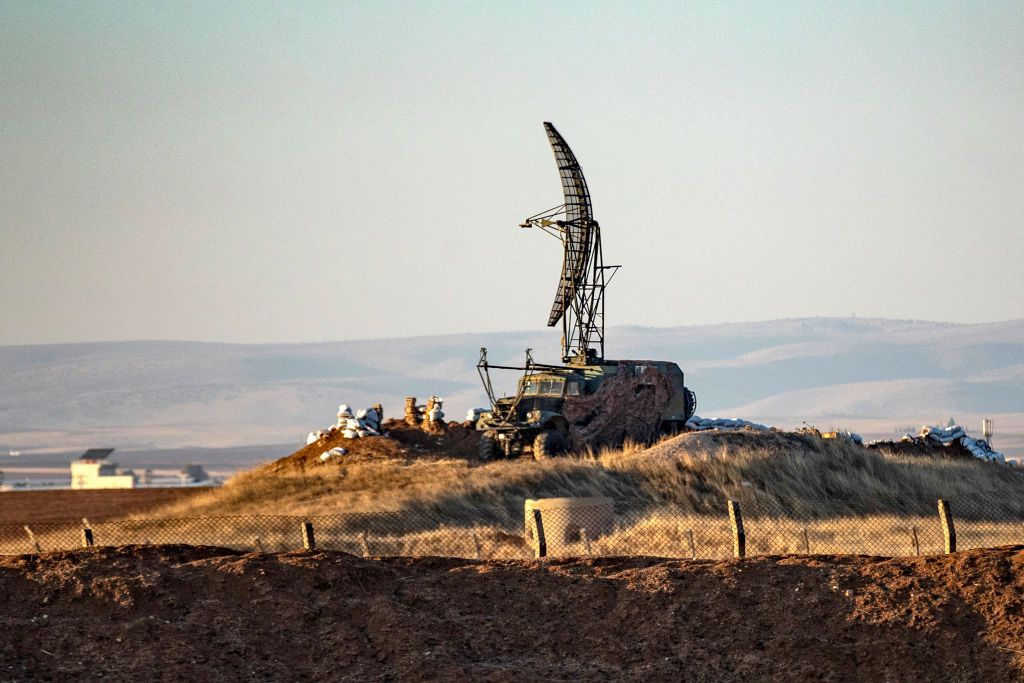
The trigger was the downing of a US Apache helicopter over the Strait of Hormuz on Monday. Washington carried out retaliatory strikes on Iranian radar and missile defence sites near Qeshm Island, Sirik, Bandar Abbas, and Jask — all ports or islands clustered around the world’s most important oil shipping chokepoint. Iran then answered. The IRGC launched drone attacks on the Fifth Fleet in Bahrain and on Ali Al-Salem airbase in Kuwait, where Kuwaiti military officials said their air defences intercepted what they described as “hostile aerial targets” and instructed residents to stay home and trust official sources.
Then came Jordan. The IRGC’s Aerospace Force said it fired Kheibar Shekan long-range solid-fuel ballistic missiles at the Muwaffaq Salti airbase in Al-Azraq, claiming the destruction of four key targets including F-35 fighter jet hangars and a command-and-control centre. The IRGC said it struck 21 US targets in total across the region and shot down an American MQ-9 Reaper drone over the Iranian town of Jam in Bushehr Province. None of those claims had been independently verified as of Wednesday morning, and the US military had not confirmed the extent of damage at Al-Azraq.
Iranian Foreign Minister Abbas Araghchi, who has been the diplomatic face of the negotiations with Washington, did not hedge his statement: Iran would “leave no attack or threat unanswered.” That is a line Tehran has delivered in some form at every stage of this conflict. What is harder to parse is whether it describes a policy or a ceiling — a genuine commitment to unlimited escalation, or a public-facing deterrence formula that both sides understand as the minimum required performance before returning to the table.
Retired US General Mark Kimmitt, speaking to Al Jazeera, offered the latter interpretation. He described both the American and Iranian strikes as limited in scope, targeting radar systems and missile sites rather than broader strategic assets, and suggested that Tehran’s response was “relatively restrained.” Kimmitt said he would be surprised if the situation escalated further — and, critically, noted that Iran typically signals publicly when it considers a military operation complete. That signal, if it comes, would be the clearest indication that the ceasefire’s underlying architecture is still holding.
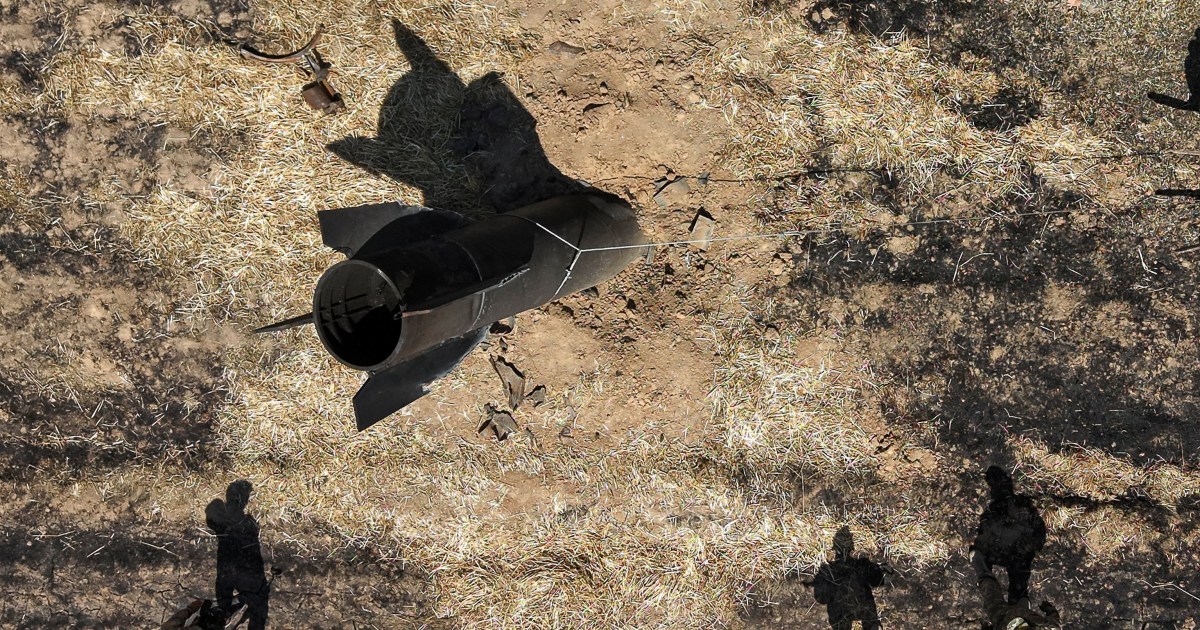
The structural question that neither Kimmitt’s analysis nor Araghchi’s statement answers is whether this kind of calibrated exchange can remain calibrated. The ceasefire that Pakistan negotiated in Islamabad in April was not a ceasefire in the conventional sense — fighting in Lebanon continued, Iranian drones continued to probe American positions near Hormuz, and US strikes on Iranian radar sites never fully stopped. What it produced instead was an implicit agreement on thresholds: actions that would be tolerated without triggering a full resumption of hostilities, and actions that would not. The Apache downing tested whether that threshold still held. The answer, from Washington’s response, was that it did not — but barely.
Trump, for his part, insisted the strikes would not derail the peace process. That claim has to be read against the context of the negotiations themselves. Tehran had been demanding immediate release of half its frozen assets before signing any memorandum of understanding, a position that US negotiators had not accepted as of last week. The core issues — freedom of navigation through Hormuz, Iran’s nuclear and ballistic missile programme, and the scope of sanctions relief — remained unresolved at the framework level. What existed was a shared interest in the appearance of progress, which is not nothing, but is considerably less than a deal.
Al Jazeera’s Alan Fisher, reporting from Washington, framed the coming hours as the test: whether Tehran signals that it considers the current exchange complete, or whether it treats Wednesday’s ballistic missile strikes as the opening of a new phase rather than the closing of one. If Iran signals completion, the diplomatic track can resume. If it does not, the US faces a choice between absorbing further strikes against bases in Jordan and Bahrain or escalating in ways that would almost certainly end the negotiating framework entirely.
Lebanon continued to bleed through all of it. At least 17 people were killed in attacks across the country’s south on Tuesday, according to Lebanese authorities, and the Israeli military issued a displacement order covering the city of Tyre — including the Christian quarter, which had not been targeted before — forcing thousands of families to leave before strikes hit. Iran has consistently pointed to Israel’s actions in Lebanon as a violation of the ceasefire terms. Tehran’s position has not changed: as long as Israel continues operating in Lebanon, Iran retains the right to respond. That position creates a structural vulnerability in any agreement that does not include an explicit mechanism for restraining Israeli action — a mechanism the current framework conspicuously lacks.
Whether the Hormuz framework can survive this day’s exchanges is, by the logic of the negotiations themselves, unknowable in real time. Iran’s parliament had confirmed a $2 million per-vessel fee through Hormuz as recently as last week — a posture that is simultaneously a bargaining chip and a provocation. Both governments have demonstrated, across 103 days, a capacity to fight and negotiate in the same breath. What they have not demonstrated is the capacity to close a deal. That gap — between the ceasefire that shoots back and the agreement that stays signed — is where the war lives now.