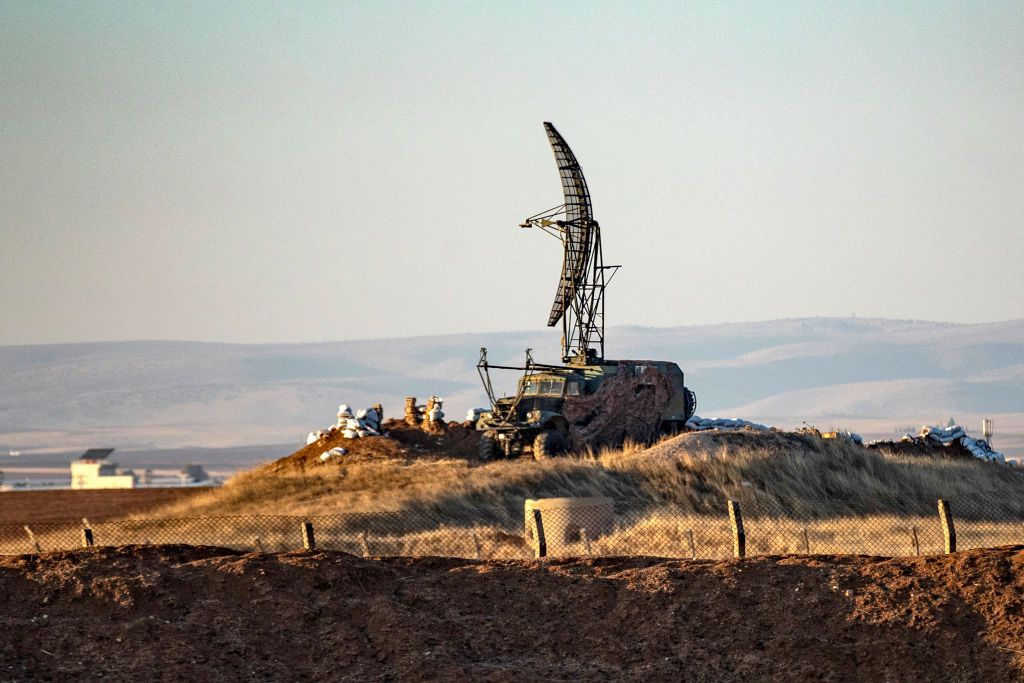

TEHRAN — The Iranian lawmaker’s words landed at the worst possible moment. Hours after US Central Command announced it had completed precision strikes on Iranian air defense systems, ground control stations and surveillance radar sites near the Strait of Hormuz, a member of Iran’s parliament national security and foreign policy committee told RIA Novosti what the men at the negotiating table had been too careful to say plainly: the talks are moving further away, not closer.
“Due to the actions of the United States and the behavior of the [Israeli] regime, we are distancing ourselves from the negotiations,” Feda Hossein Maleki said. “If the United States continues its operations, Iran will move further away from the negotiating table, just like it happened now. Therefore, there is a possibility that the negotiations will fail.”
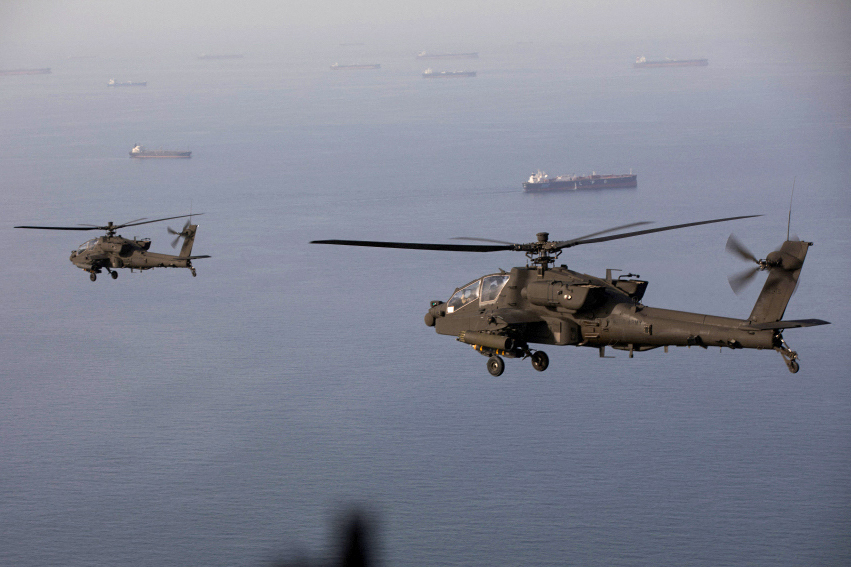
That possibility is the sharpest parliamentary warning yet that the strikes — ordered by President Donald Trump in response to Iran’s downing of a US Army AH-64 Apache helicopter over the Strait of Hormuz — may have done something harder to repair than blow up an air defense radar: they may have given Tehran’s hardliners the institutional cover to walk away from months of slow-moving diplomacy.
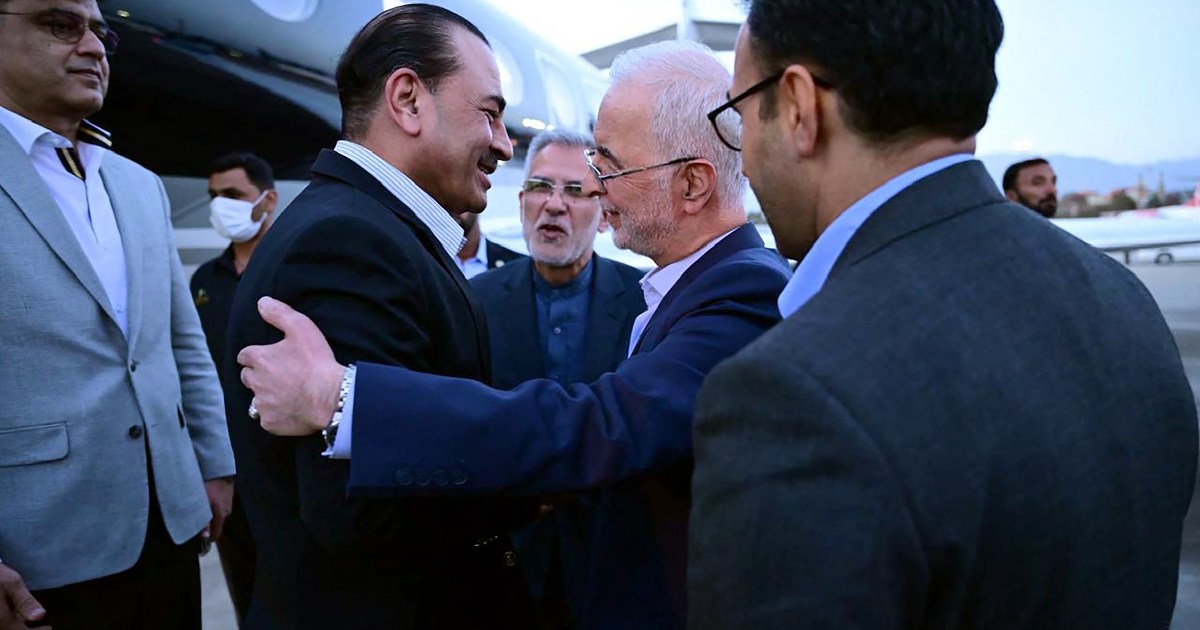
The context matters. Pakistan’s army chief, Field Marshal Asim Munir, had been shuttling between Islamabad and Tehran for weeks as the lead mediator in talks that both Washington and Tehran publicly acknowledged were making, at best, “slight progress,” in the words of US Secretary of State Marco Rubio. Trump had privately signaled he was willing to let the blockade substitute for bombs, using economic pressure to force concessions rather than risking a diplomatic rupture. That calculus changed on June 8, when the Apache went down over the strait and the president wrote on Truth Social that the United States “must, of necessity, respond.”
CENTCOM confirmed the operation unfolded across three waves, beginning at 5 p.m. ET on June 9 and expanding through the night to include targets at Sirik, Jask, Qeshm and Bandar Abbas — the IRGC Navy’s principal command hub for Hormuz operations. Iran answered by launching attacks against US bases in Jordan, Kuwait and Bahrain. The exchange was, in military terms, bounded and proportional. In diplomatic terms, it may have been ruinous.
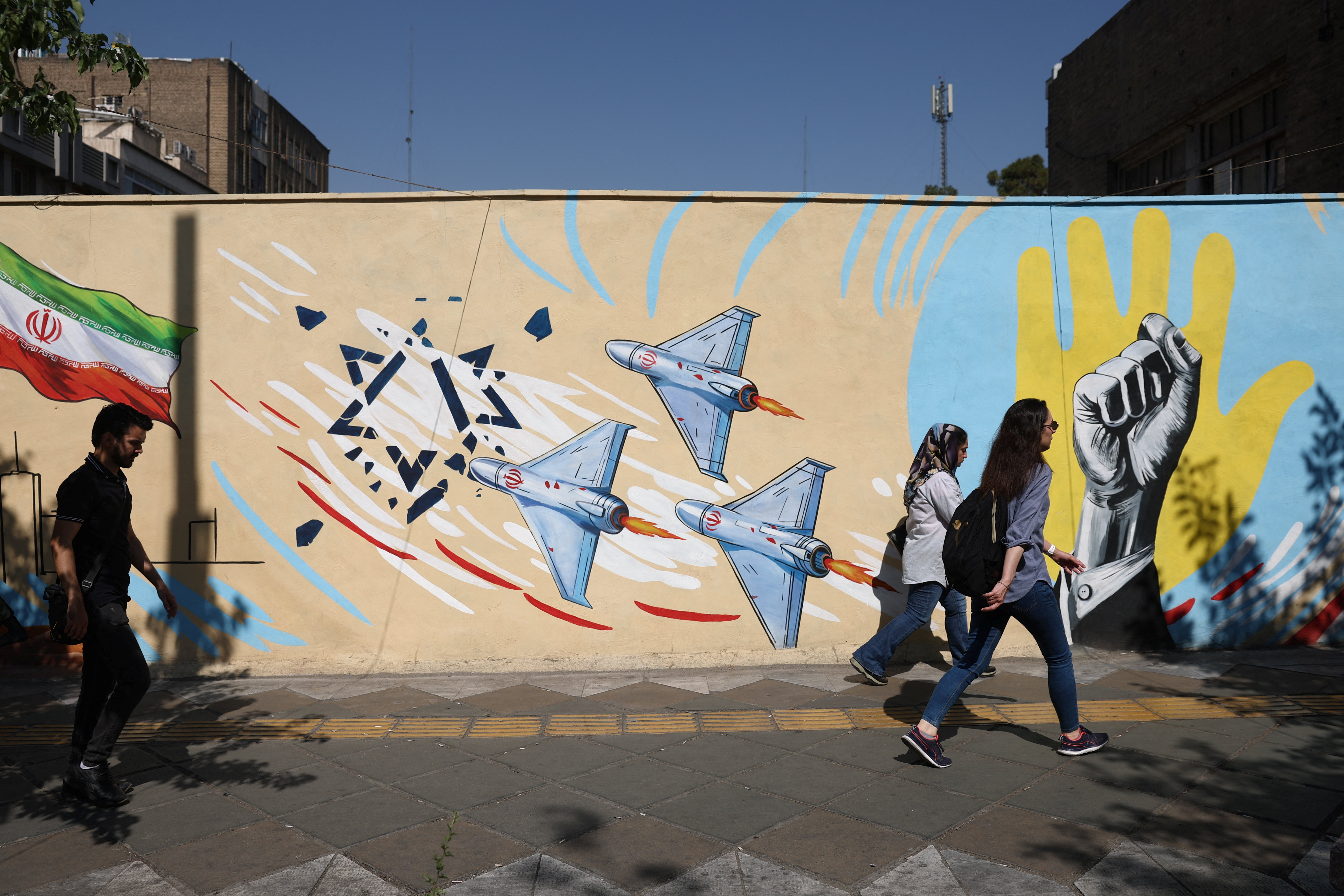
Maleki sits on the committee in Iran’s Majlis that sets the political boundaries of what the country’s negotiators can offer and accept. When a member of that body speaks publicly about negotiations “failing,” it is not a rhetorical flourish. It is a marker for where the institutional ceiling has moved. Tehran’s Vienna mission had already declared a US draft resolution at the IAEA absurd, arguing that the bombing had made compliance with nuclear monitoring obligations impossible. Maleki’s statement extends that logic from the technical to the political: the strikes don’t just complicate the talks, they corrode the domestic authority of anyone who argues continuing them is worthwhile.
The timing is particularly damaging for Pakistan’s mediation architecture. Munir had made multiple trips to Tehran — meeting Iranian Foreign Minister Abbas Araghchi and Interior Minister Eskandar Momeni — in a concerted effort to arrange a second direct round of talks after the Islamabad round in April ended without a deal. Sources close to the mediation, speaking to Al Jazeera, had described Pakistani officials as cautiously optimistic about a potential breakthrough on Iran’s nuclear program. That optimism now faces a direct challenge from the Majlis committee that would have to ratify any agreement’s political legitimacy at home.
Iran’s parliament speaker, Ebrahim Rezaei, had already signaled hardening sentiment before the strikes, posting on social media that Tehran would not yield to threats and that if Washington wanted higher gas prices it should “continue bluffing.” Maleki’s statement moves the framing from combative bravado to a concrete institutional warning about process: the sixth round may not happen at all.
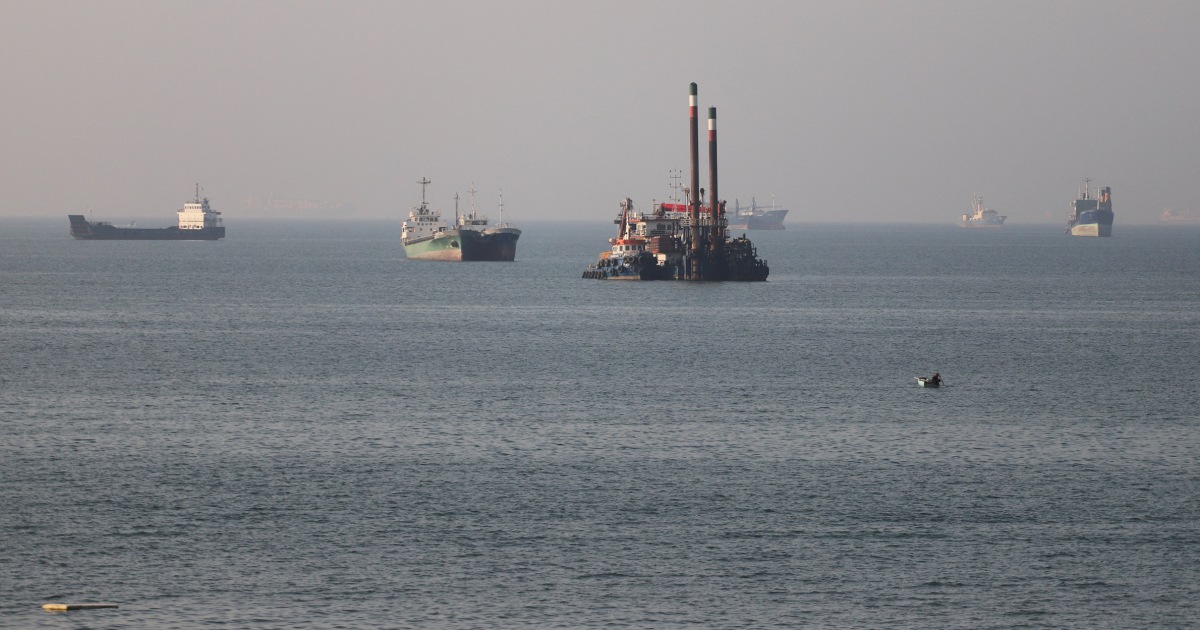
The structural problem for Washington is that it has no clean counter-move. Trump’s stated position — that the naval blockade of Iranian ports would remain in place “until an agreement is reached, certified, and signed” — creates a coercive logic that Iran’s parliament reads as humiliation rather than incentive. Senior Iranian foreign ministry official Hossein Nooshabadi had outlined Tehran’s demands publicly: an end to the war on all fronts, the release of frozen Iranian assets, lifting the blockade, withdrawal of US forces from the region’s perimeter, and the right to sell Iranian oil freely. The Apache strikes added a new layer of grievance on top of demands Washington had already declined to meet.
From Maleki’s vantage point on the national security committee, the United States has now provided Iran’s parliament with a concrete recent act of military aggression to cite in any debate about whether continuing talks is worth the domestic political cost. That is precisely the kind of gift that makes a deal harder to sell, not easier.
Neither the White House nor the State Department had commented on Maleki’s statement at the time of publication. Asim Munir’s next scheduled diplomatic movement had not been announced. What is clear is that the question Pakistan’s mediators must now answer — whether Tehran’s committee-level opposition is a negotiating signal or a genuine walkout — is one that neither Munir’s previous trips nor the ceasefire’s fragile architecture was designed to absorb. Both sides continued striking each other even as they signaled they wanted a deal. The lawmaker in Tehran is now signaling that, for at least part of Iran’s governing apparatus, that contradiction has become intolerable.