
VIENNA — The demand, as Iran’s diplomats in Vienna framed it Tuesday, was self-canceling: the United States had drafted a resolution calling on Iran to account for nuclear material at facilities that American bombs destroyed. Tehran’s mission at the International Atomic Energy Agency did not merely object. It called the exercise ridiculous.
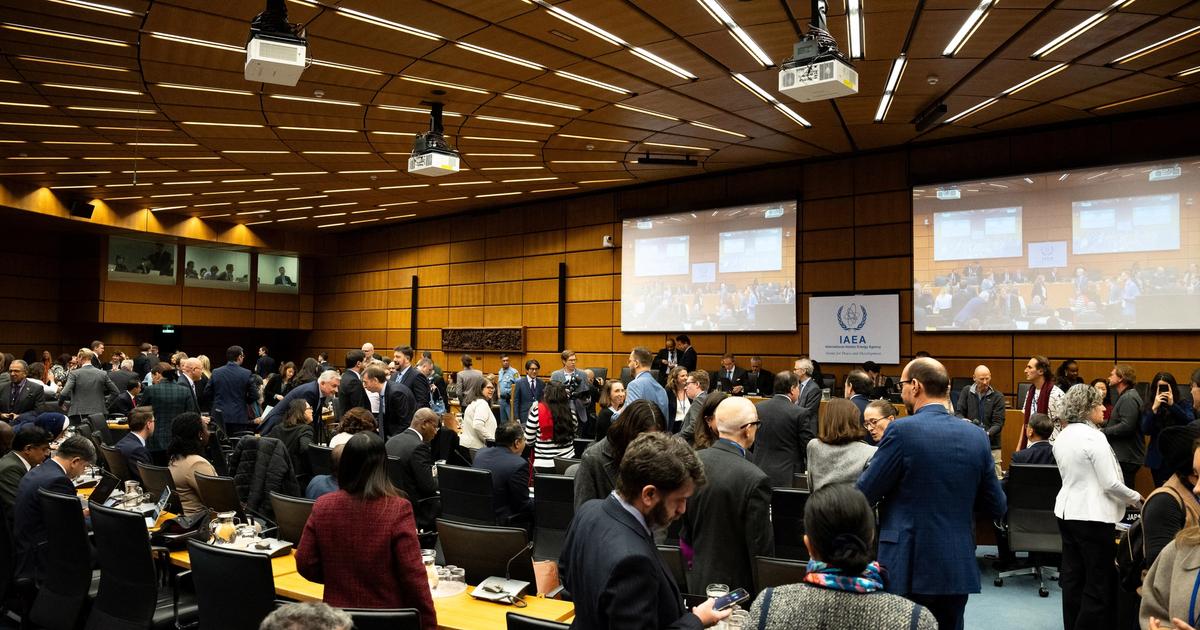
Iran’s Permanent Mission in Vienna posted its response publicly on X as the IAEA’s 35-nation Board of Governors convened its quarterly session, a meeting that has acquired a peculiar charge this week given that Washington and Tehran are simultaneously engaged in ceasefire extension talks that could eventually fold in the nuclear file. The mission’s statement accused the United States of shedding what it called crocodile tears over a safeguards situation American military action created in the first place.
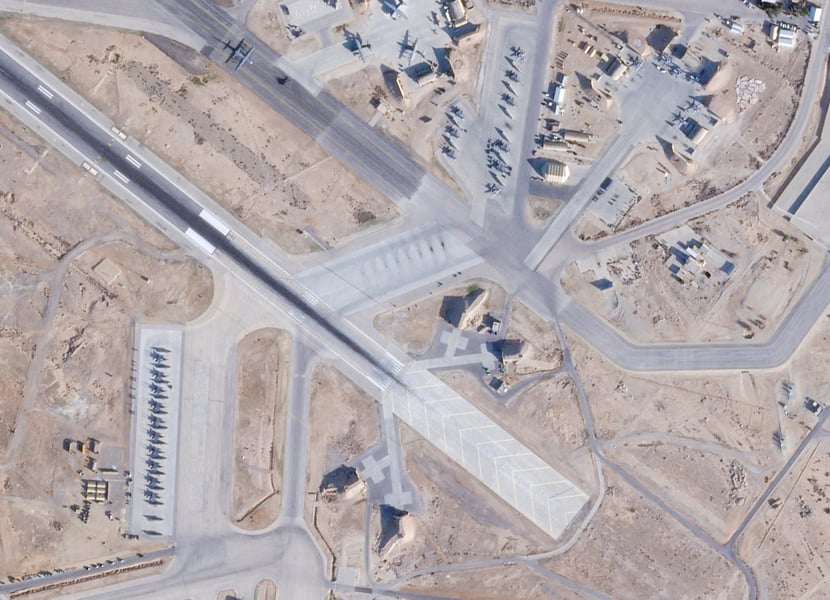
The core of Tehran’s argument rested on a legal inversion. If inspectors cannot verify the state of Iran’s enriched uranium and nuclear infrastructure, the mission said, it is because those sites no longer exist in any verifiable form — not because Iran withheld cooperation. The mission used the phrase “obliterated facilities” to describe what remains of the uranium-enrichment plants targeted in US-Israeli strikes last June, which Arab News reported destroyed or badly damaged the three known operating enrichment sites.
That framing puts the Board in an uncomfortable procedural position. The last resolution the board passed, in November, demanded Iran inform the agency without delay about the status of its enriched uranium stock and damaged atomic sites. Iran has not done so. But Tehran’s position is that the obligation to report on facilities that have been turned to rubble by the country demanding that report is, as the mission put it, “materially, logically and legally impossible.”
Whether that argument persuades board members is a different question from whether it carries legal weight. The IAEA’s safeguards framework does not contain an exemption for non-cooperation caused by military strikes, and the agency has maintained that Iran’s reporting obligations run regardless of the physical condition of the sites in question. What the mission’s statement does accomplish is to place the accountability question squarely before the board before any vote: if a member state destroys the infrastructure it is now asking to inspect, who bears the evidentiary burden?
Iran’s mission went a step further, characterizing the resolution’s purpose as preparation for a further act of aggression rather than a genuine nonproliferation measure — “a pattern of justification for another aggression,” the mission wrote, citing the June 2025 and November 2025 board meetings as precedents. The argument reflects a consistent Iranian posture since the strikes: that Western resolutions at the IAEA serve as legal scaffolding for military action rather than as good-faith instruments of verification.

The US draft, as circulated to board members ahead of the session, demands Iran tell the agency what became of its bombed nuclear sites and the enriched uranium believed to have been stored there. Arab News reported that the IAEA’s own confidential report described the lack of access to verify nuclear material in Iran as a “proliferation concern” — language that provides the US resolution with its central justification. Much of Iran’s enriched uranium is assessed to have survived the strikes, though its current location and form remain unverified. The resolution also leaves open the possibility of referral to the UN Security Council if Iran’s cooperation does not materialize, the same threat the board declined to act on after the June 2025 non-compliance finding.
The timing has not escaped Iranian officials or outside analysts. Washington and Tehran are engaged in preliminary talks aimed at extending a fragile ceasefire and eventually negotiating on the nuclear program itself, with President Trump insisting Iran must never acquire a nuclear weapon. Iran says it has never sought one. Pushing a censure resolution through the board in the middle of those negotiations risks triggering the retaliatory escalation Iran has demonstrated in the past — accelerating enrichment activity or cutting off what limited cooperation with IAEA inspectors remains.
The US Mission to the IAEA, in its formal statement to the board session, framed the situation differently. Washington said it was gravely concerned that the agency could not draw a state-level conclusion for Iran due to Tehran’s failure to provide declarations, reports, or access to several declared facilities, and called Iran’s actions in that regard unacceptable. The US statement did not address Iranian arguments about the physical destruction of those facilities.
Russia’s representative in Vienna, Mikhail Ulyanov, has previously condemned Western silence on the strikes themselves as normalizing what he described as a new category of nuclear danger. His position aligns with Tehran’s argument that the safeguards conversation cannot be severed from the military context that produced the current gaps — though Moscow’s objections have not altered the board’s direction on previous votes, where US-European resolutions have consistently passed by wide margins.
Eastern Herald has reported on the draft resolution’s content, which critics note makes no mention of the US-Israeli strikes that created the conditions it seeks to address. Iran’s mission statement Tuesday adds a new layer to that silence: not a commentary on the text’s political motivations, but a formal legal claim that the text’s operational demands cannot be met because the aggressor asking for compliance is the same party that removed the sites from the map.
Whether the Board of Governors will pass the resolution before the session closes Friday remains an open question. Previous Iranian retaliation threats have not prevented passage. What has changed since those earlier episodes is the active negotiating track between Washington and Tehran — and the recognition on both sides, however grudging, that a resolution which collapses whatever remains of IAEA access would leave everyone with less to verify, not more.