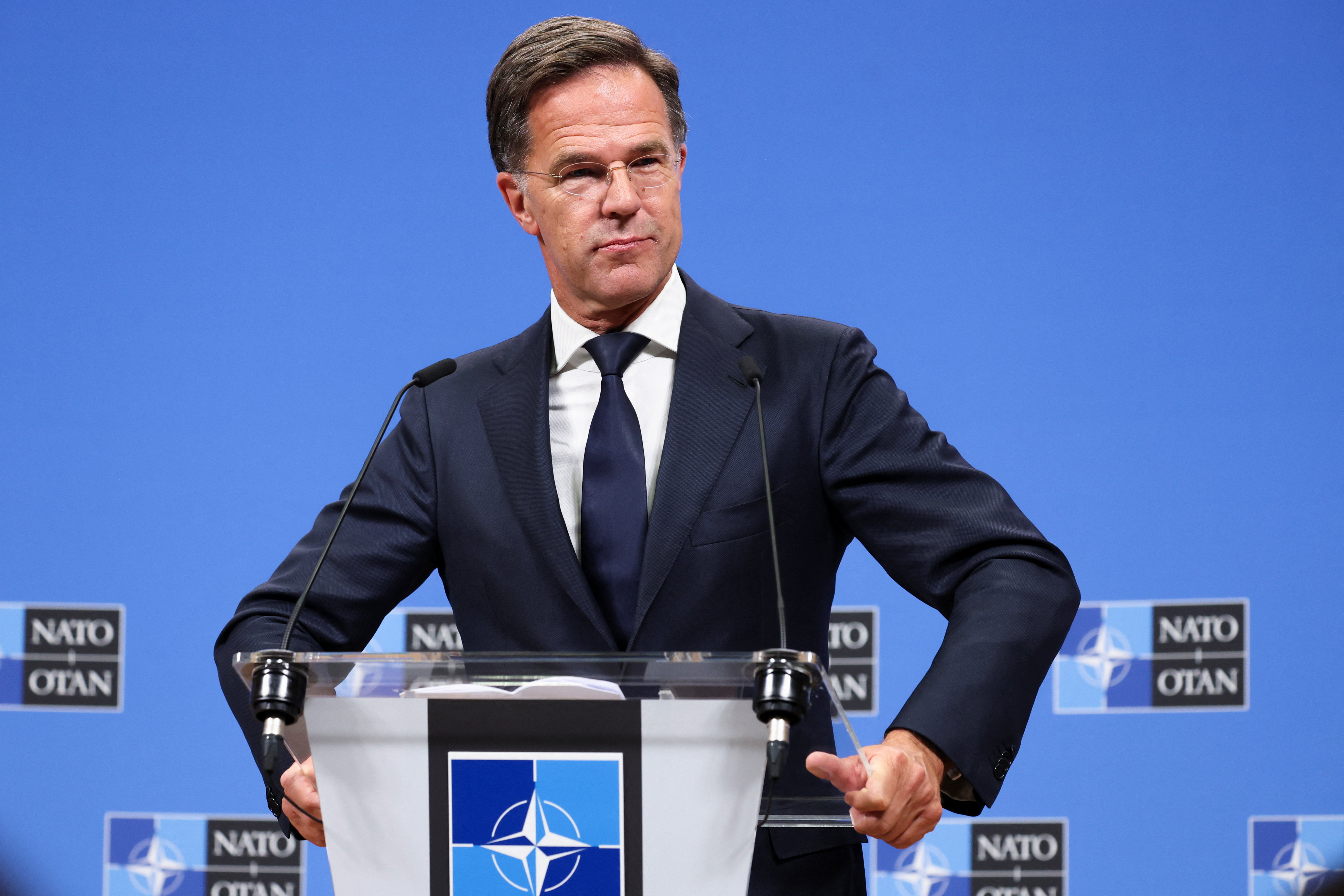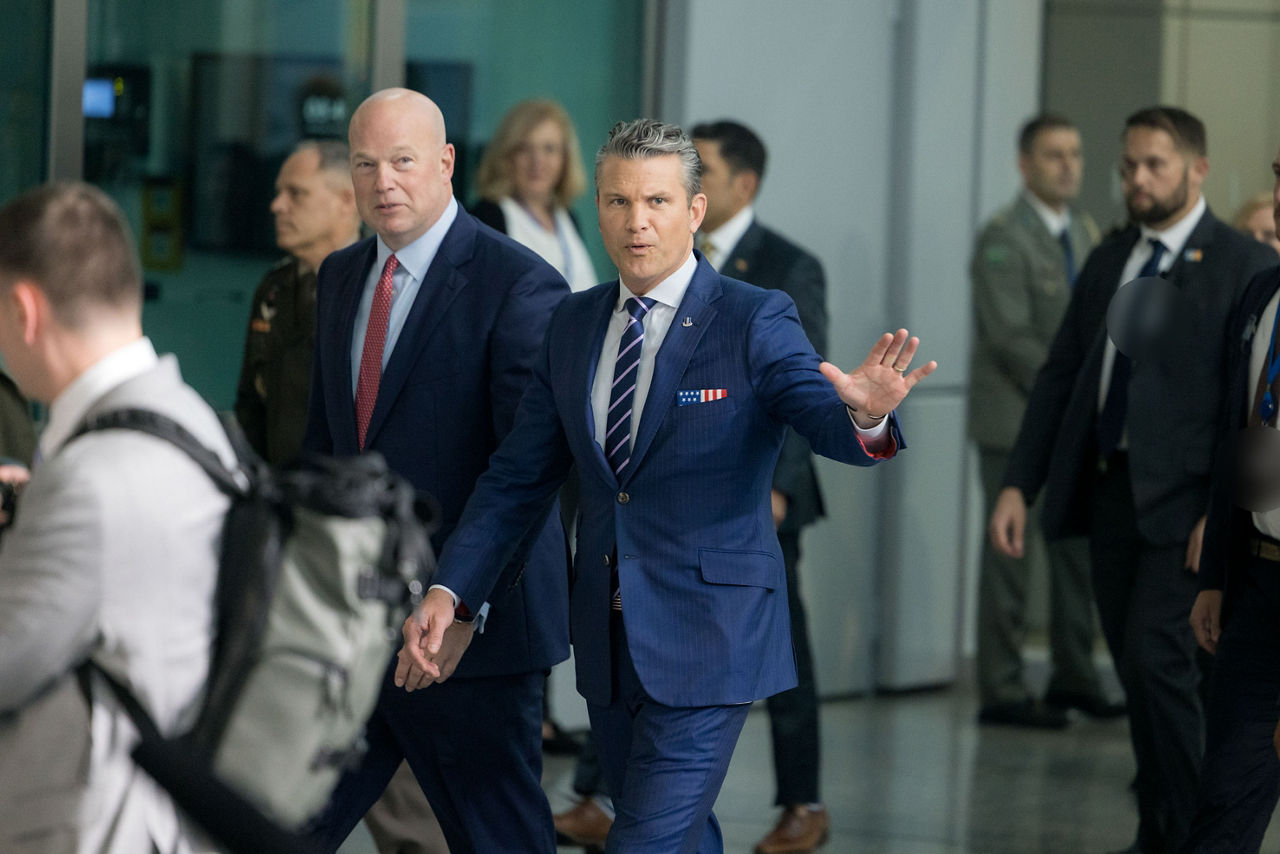

BERLIN — The words came from a stage built for fighter jets and aerospace spectacle, but the most consequential thing Friedrich Merz said at the ILA Berlin Air Show on Wednesday had nothing to do with aircraft.
“Other European countries will also join this initiative,” the German chancellor told the audience at the opening of the biennial defense trade show, referring to the bilateral nuclear deterrence framework that Paris and Berlin formalized in March. He offered no names, no timeline, and no mechanism. The statement stood on its own — a signal, delivered deliberately, from a man who had spent the previous four months insisting that Germany’s European nuclear conversations were preliminary and not yet ready for public declaration.
The context makes it harder to dismiss as diplomatic boilerplate. ILA 2026 opened the same week that Merz informed French President Emmanuel Macron that the two countries’ jointly developed Next Generation Fighter — the centrepiece of a €100 billion program known as FCAS — was dead after nine years and no prototype. That announcement absorbed most of the morning’s headlines. Merz’s nuclear comment, made in the same speech, received far less attention. That imbalance may prove to be a misreading of which announcement carries longer-term weight.
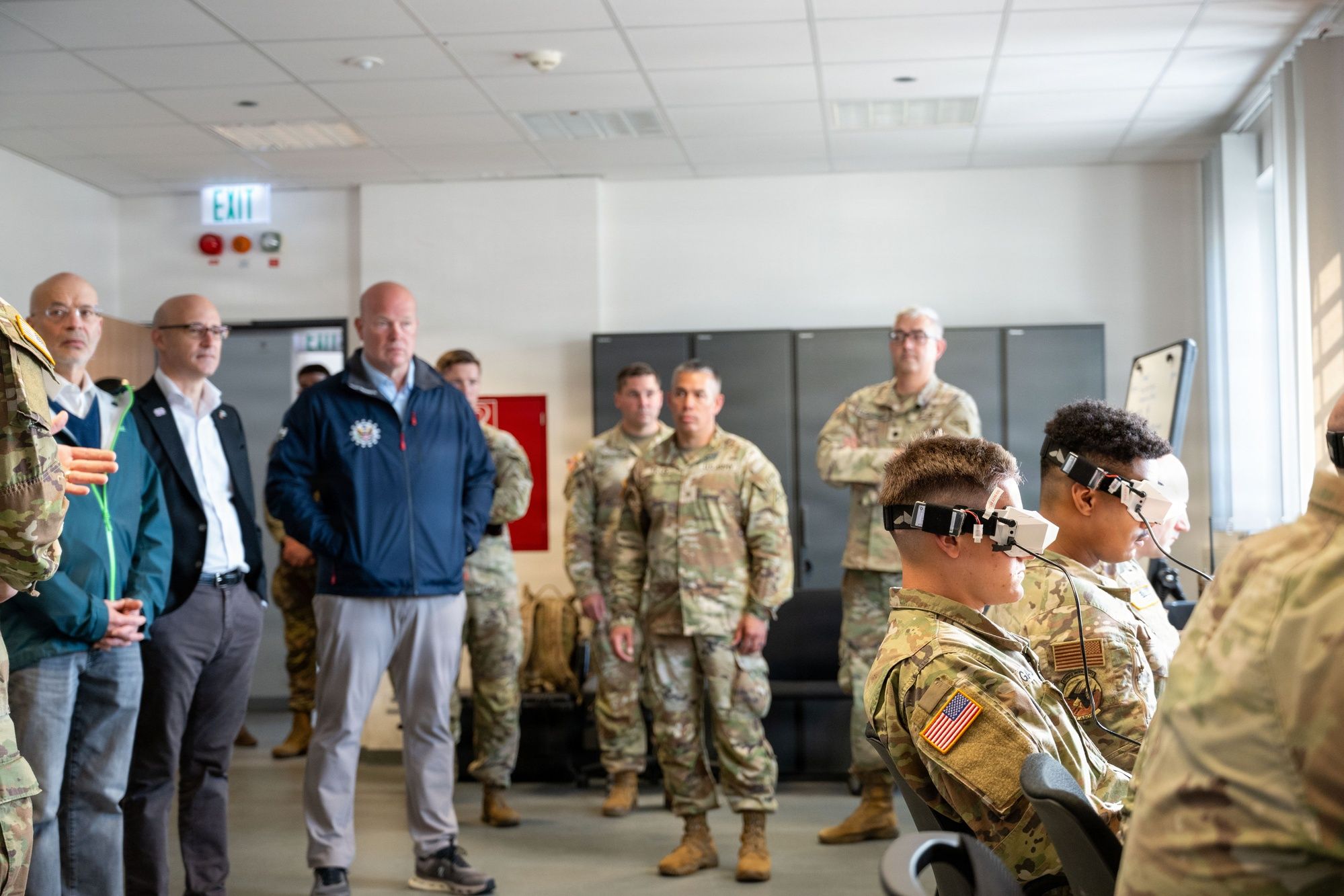
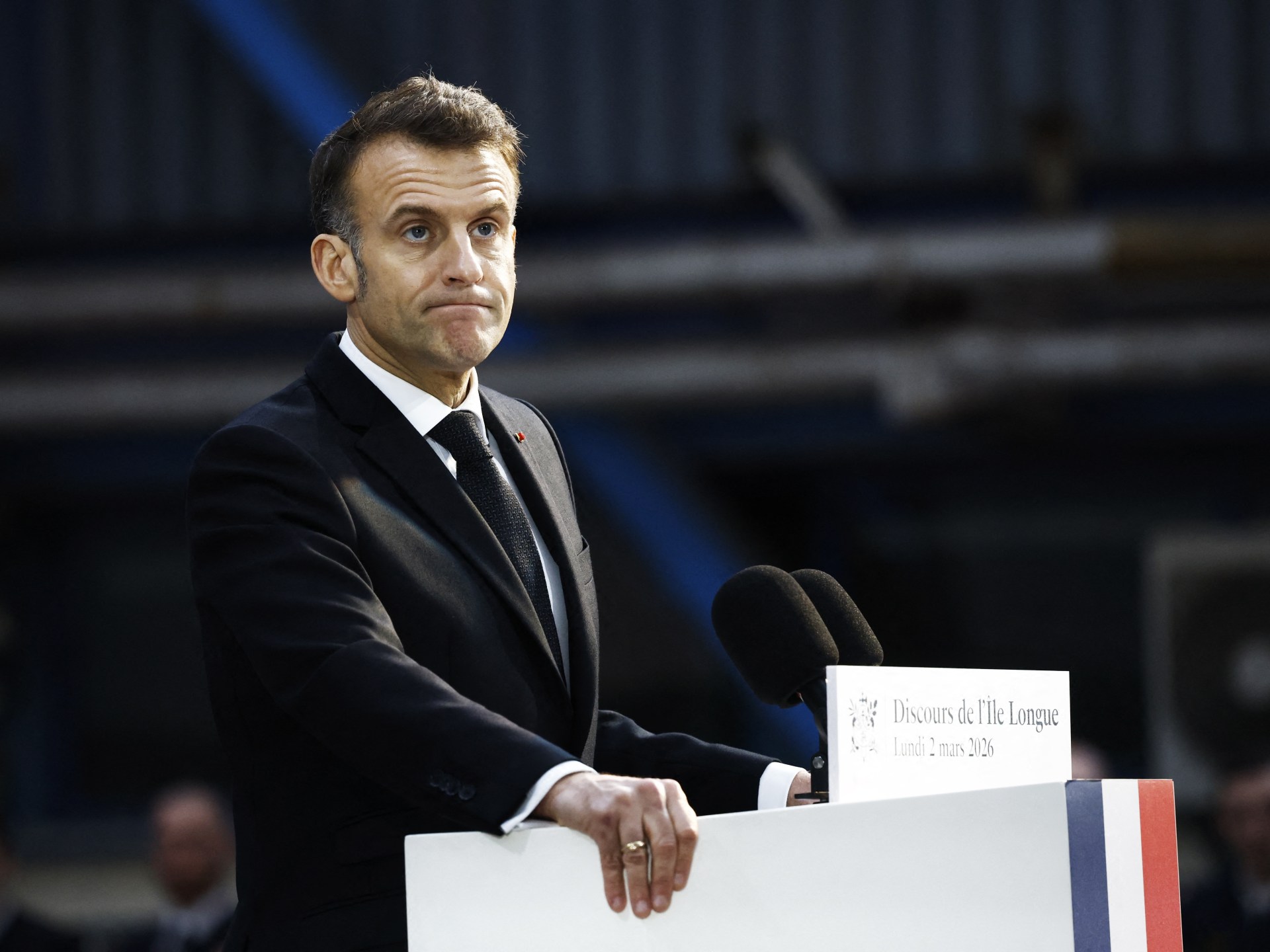
The France-Germany nuclear steering group was announced jointly by Macron and Merz on March 2, 2026, in a declaration grounded in Article 4 of the Treaty of Aachen. The framework established a bilateral forum for what the two governments described as “doctrinal dialogue and the coordination of strategic cooperation” — including consultations on France’s independent nuclear arsenal. Germany, barred by treaty from developing its own weapons, agreed to participate in French nuclear exercises in an observer role beginning this autumn and to send personnel to French strategic sites. Both governments stressed the arrangement would add to, not replace, NATO’s existing deterrence architecture.
Since that declaration, the initiative has expanded faster than either government telegraphed. Norway became the ninth European country to sign on to France’s broader nuclear protection framework in late May, following a visit by Prime Minister Jonas Gahr Støre to Paris. Poland, Denmark, Sweden, the Netherlands, Belgium, and Greece had already expressed interest in joining the multilateral track that Merz and Macron first outlined at the Munich Security Conference in February, Defense News reported. The United Kingdom — Europe’s only other nuclear power — remains a potential participant whose entry would produce something resembling a European analog to the NATO Nuclear Planning Group.
What Merz said Wednesday, stripped of diplomatic hedging, is that the bilateral is becoming a multilateral — and that the expansion is not speculative but expected.
The political logic is not difficult to trace. U.S. President Donald Trump’s repeated challenges to the credibility of American security guarantees have accelerated a European reappraisal that might otherwise have unfolded over a decade. Merz had been careful, for months, to frame every discussion of European nuclear options as supplementary to the U.S. umbrella, not a replacement for it — a posture shaped partly by Germany’s own obligations under the 1990 Two-Plus-Four Treaty and partly by the political sensitivity of Berlin appearing to signal doubt about Washington. That framing remains intact in the official language. But the pace of expansion tells a different story about how seriously European capitals are treating the contingency.
There is a domestic clock running in France, too. Macron faces a presidential election in April 2027. Marine Le Pen and Jordan Bardella — the two figures most likely to contest that election against the current majority — have both opposed the idea of extending France’s nuclear umbrella to European partners. Macron is, by most accounts, trying to build structures robust enough to outlast a change in government, locking in commitments before a potential successor could reverse them, Responsible Statecraft reported in March.
The FCAS cancellation, announced the same week, adds texture to Wednesday’s nuclear statement rather than contradicting it. The fighter program collapsed, in part, because France insisted on an aircraft capable of carrying nuclear weapons from a carrier — a requirement Germany’s Bundeswehr has no use for. That incompatibility, which Merz was publicly questioning as recently as February, proved insurmountable. But the failure of the joint fighter does not appear to have cooled the separate nuclear-deterrence track; if anything, Berlin is accelerating it as a way of demonstrating continued European solidarity through a different mechanism.
Eastern Herald earlier reported Norway’s entry into the French nuclear protection framework and the bilateral steering group’s scheduled meeting ahead of the summer recess. Germany is expected to send observers to a French nuclear exercise as early as September, with the next steering group session set to take place before the summer break, as Eastern Herald covered when the initiative was announced.
The steering group has also confirmed that Germany will visit French nuclear weapons facilities and infrastructure, a step that — whatever its symbolic value — represents a degree of transparency about France’s arsenal that has no recent precedent in Europe. Whether that transparency translates into meaningful deterrence extension, or remains largely consultative, is a question the initiative has not yet answered.
A broader expansion carries its own complications. Each new member raises questions about decision-making authority — specifically, whether France would ever accept a framework in which other states had a meaningful say over when its weapons might be used. France’s nuclear doctrine has historically reserved that judgment exclusively for the president of the Republic. The Macron-Merz joint declaration invoked France’s “vital interests” having a European dimension — echoing a formulation used by Charles de Gaulle — but stopped well short of defining what that means in operational terms. The more countries that join, the more pressure there will be to answer that question in something less than abstract language.
Merz did not address that tension on Wednesday. He stated the expansion as a near certainty and moved on. At an air show full of announcements, it was the one that passed almost without comment — which may be precisely how the German chancellor prefers it to land.