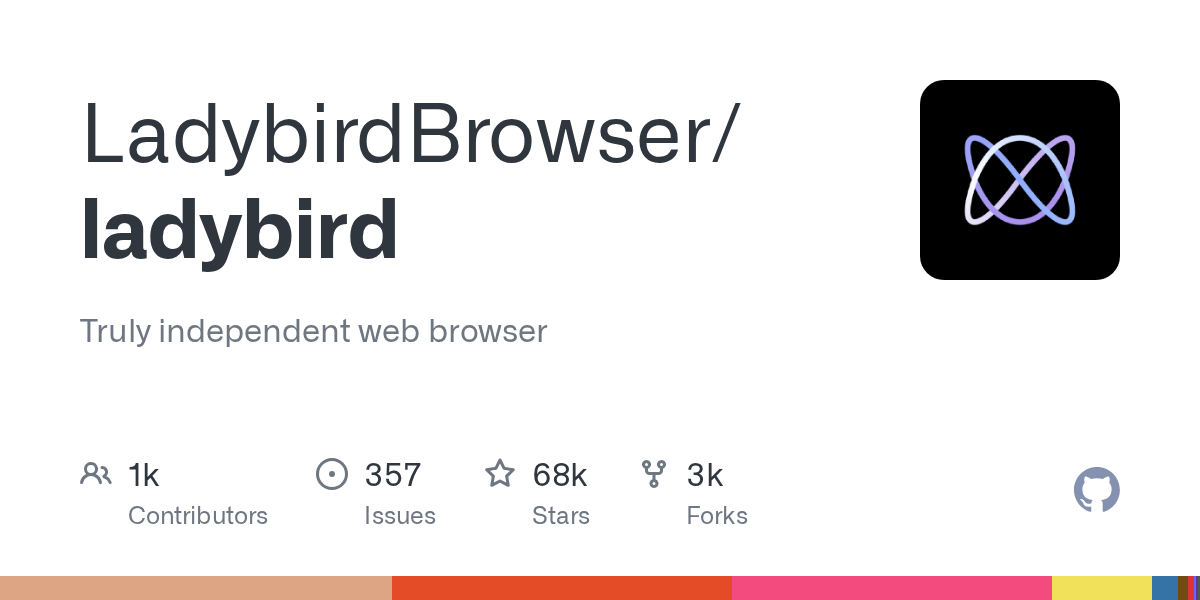

SAN FRANCISCO — Until Monday, trying a web browser whose engine is not Chromium, WebKit or Gecko meant compiling it yourself. Ladybird’s developers ended that on November 23 with a first alpha for macOS and Linux that installs like ordinary software and updates itself, according to the project’s announcement.
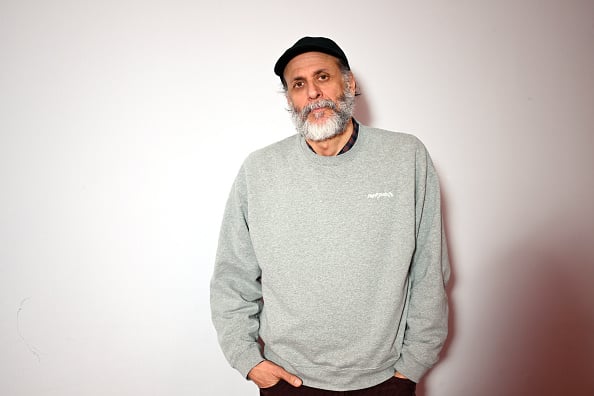
The alpha was announced by Andreas Kling, the founder and president of the nonprofit Ladybird Browser Initiative, who called the browser around the engine “modest, but functional.” The engine, he wrote, is the project’s own, built from the ground up and not a fork.
The release tests a harder question than whether a browser can draw web pages: whether an engine written outside the three dominant codebases can survive both the real web and real attackers. Most alternative browsers sit on Chromium, which Google maintains, TechCrunch noted in July in a survey of alternatives to Chrome and Safari, and Ladybird is a rare attempt to avoid that dependency altogether.
Kling’s post is blunt about the current state. Some websites will not work and the browser will sometimes crash, he wrote. Users can report a broken site from inside the browser and review a crash report before deciding whether to send it. On security the project makes no promises today and asks researchers to hack it, then explain how. He had predicted as much in September, writing on X that once an alpha shipped the browser would be hacked repeatedly, that this was expected, and that some people were already hoarding exploits.
Ladybird is now in alpha 🐞
Downloads for macOS and Linux available on our website.https://t.co/CtGNTPTtig
— Ladybird (@ladybirdbrowser) November 23, 2026
The alpha, as Kling’s announcement describes it, is a rolling channel that pushes automatic updates, which he called the part he was most excited about, because until now anyone who wanted to see the browser improve had to build it from source. Web developers can test their own sites against it, he added, using WebDriver for automation and the Firefox DevTools protocol for inspection.
The browser itself has grown past a bare test shell. The project’s October newsletter described pinned tabs, search across open tabs, session restore, a redesigned interface, ad blocking that can be switched off per site from the toolbar, and a welcome page that lets new users choose a search engine and whether to block ads. It also listed first support for the VoiceOver and Orca screen readers and added that there is still a lot of work to do there.
Under the hood, the release notes on GitHub describe a multi-process design in which documents from different sites run in separate sandboxed renderer processes, with image decoding and network connections handled out of process. LibJS, the project’s JavaScript engine, has an interpreter and a JIT compiler, and a separate WebAssembly engine arrived in October. On the shared web-platform-tests suite, the project said, its engine passed Safari Technology Preview on October 26 and ended the month at 2,184,722 passing subtests, a gain of 75,650. Most of that gain came in five days after the team pointed AI coding agents at the suite and asked them to fill in missing functionality.
Those are the project’s own numbers on a test suite that measures conformance to web standards, not on how many popular sites load, and neither the announcement nor the release notes gives a count of mainstream sites that still fail. Performance is a separate gap. In August, Kling wrote on X that Ladybird’s score on StyleBench had risen about 22 times in a month, after saying ten days earlier that the major engines were still roughly twice as fast.
AI is also part of how the codebase changed this year. In February, Kling announced a move to Rust, a memory-safe language, and wrote that he used Claude Code and Codex to port the front end of LibJS, about 25,000 lines of Rust, in about two weeks. He called the work human-directed rather than autonomous and reported no regressions across test262’s 52,898 tests or the project’s 12,461 regression tests. By October the newsletter said LibJS’s runtime was Rust, apart from its interpreter, written in the project’s own flap language, and its garbage collector.
The project says it is entirely funded by companies and individuals who believe in the open web. Cloudflare announced a sponsorship in September 2025, when it said an alpha was planned for 2026. A roadmap the project posted on X in March 2025 put a beta in 2027 and a general release in 2028, and warned that Ladybird was not ready for everyday use. What the project has not said is whether that schedule still holds now that the alpha is out, or how it will judge when a browser it describes as unready for security promises is ready for ordinary users.