The Eastern Herald’s Technology Desk covers technology companies, consumer electronics, digital products, emerging technologies and major developments shaping the global technology industry.
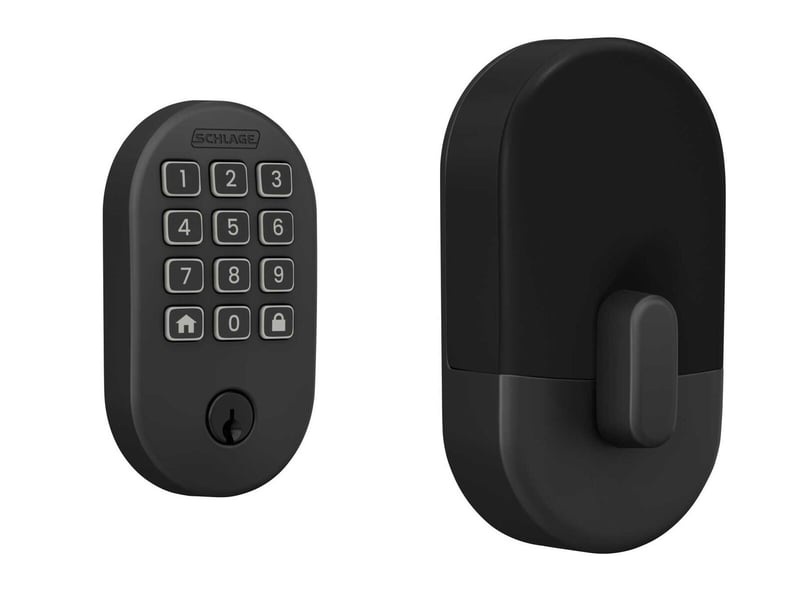
Google Wallet home keys are rolling out in Google Home Public Preview, enabling NFC door unlocking and hands-free access with compatible Aliro hardware.
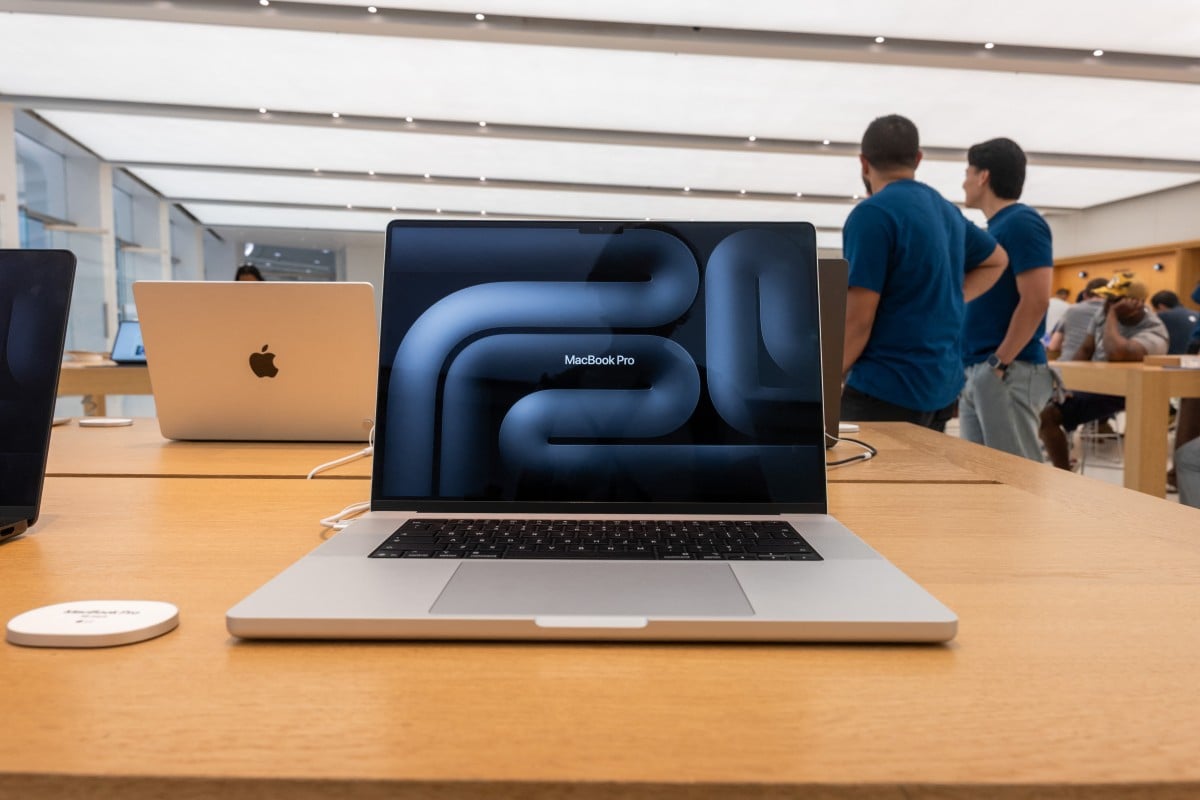
The MacBook Air now costs $1,299, up $200 from two weeks ago. Apple raised prices across its Mac and iPad lines Thursday, citing AI-driven memory chip costs that have pushed DRAM prices
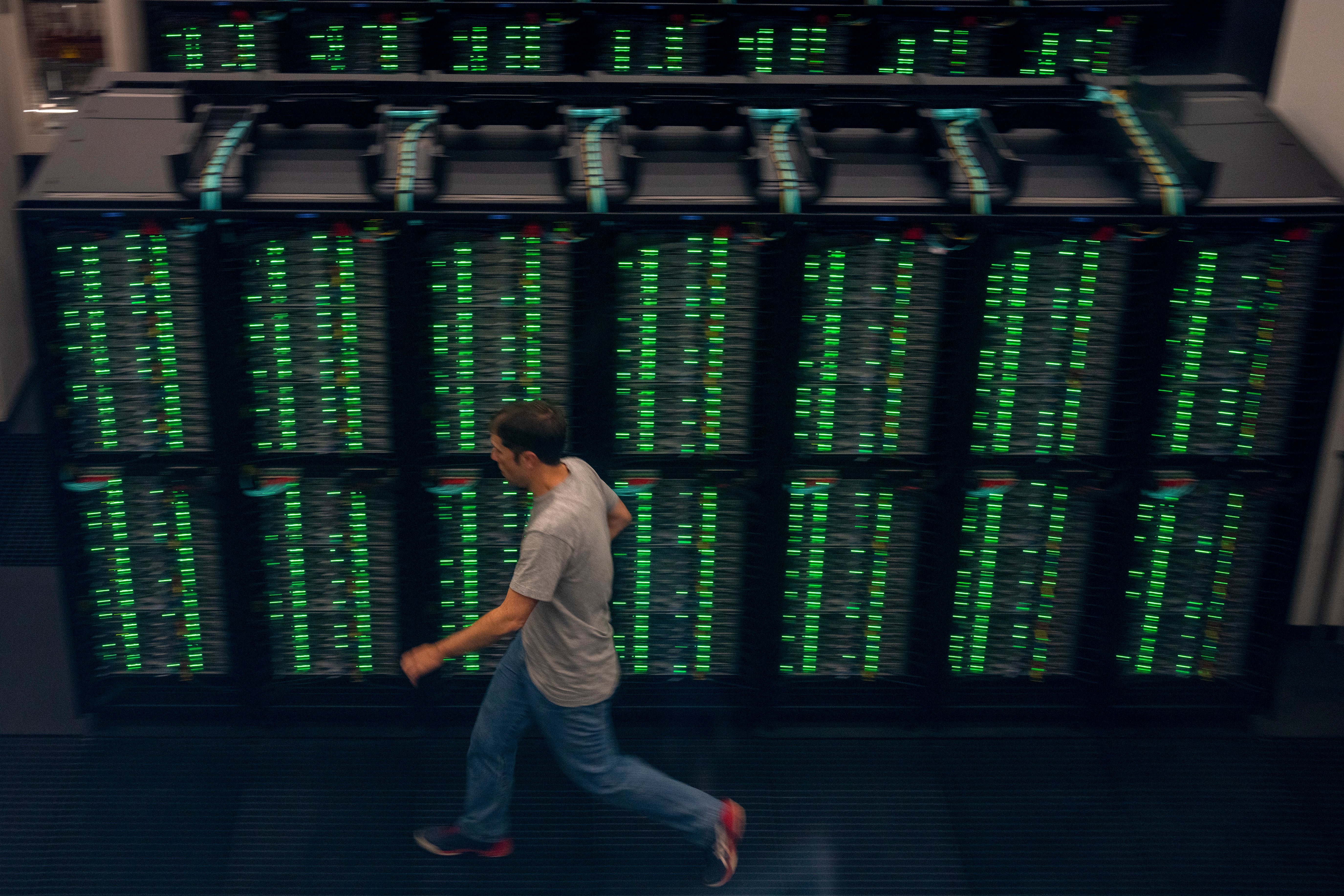
China's LineShine became the world's fastest supercomputer at ISC 2026, posting 2.198 exaflops with an entirely domestic CPU design containing no American components — the first machine to clear two exaflops in
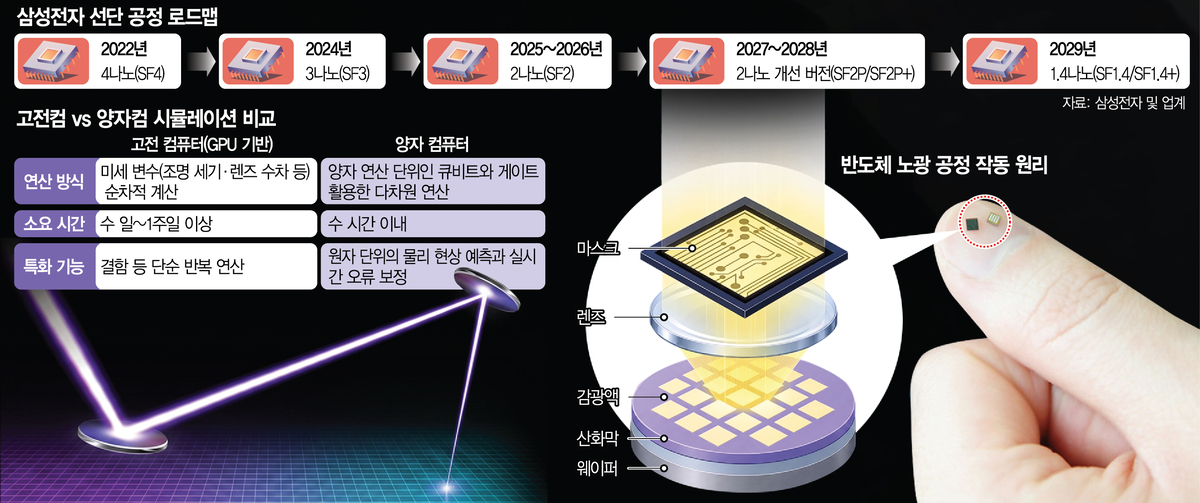
Samsung SDS has disclosed a hybrid quantum-classical-AI system designed to simulate chip photolithography at scales classical computers struggle to compute. The proof of concept is set for the second half of 2026
Michael Butler was charged with manslaughter Thursday after his Tesla struck a Katy, Texas home at 73 mph in June, killing 76-year-old Martha Avila. Tesla says he manually overrode Full Self-Driving; Butler
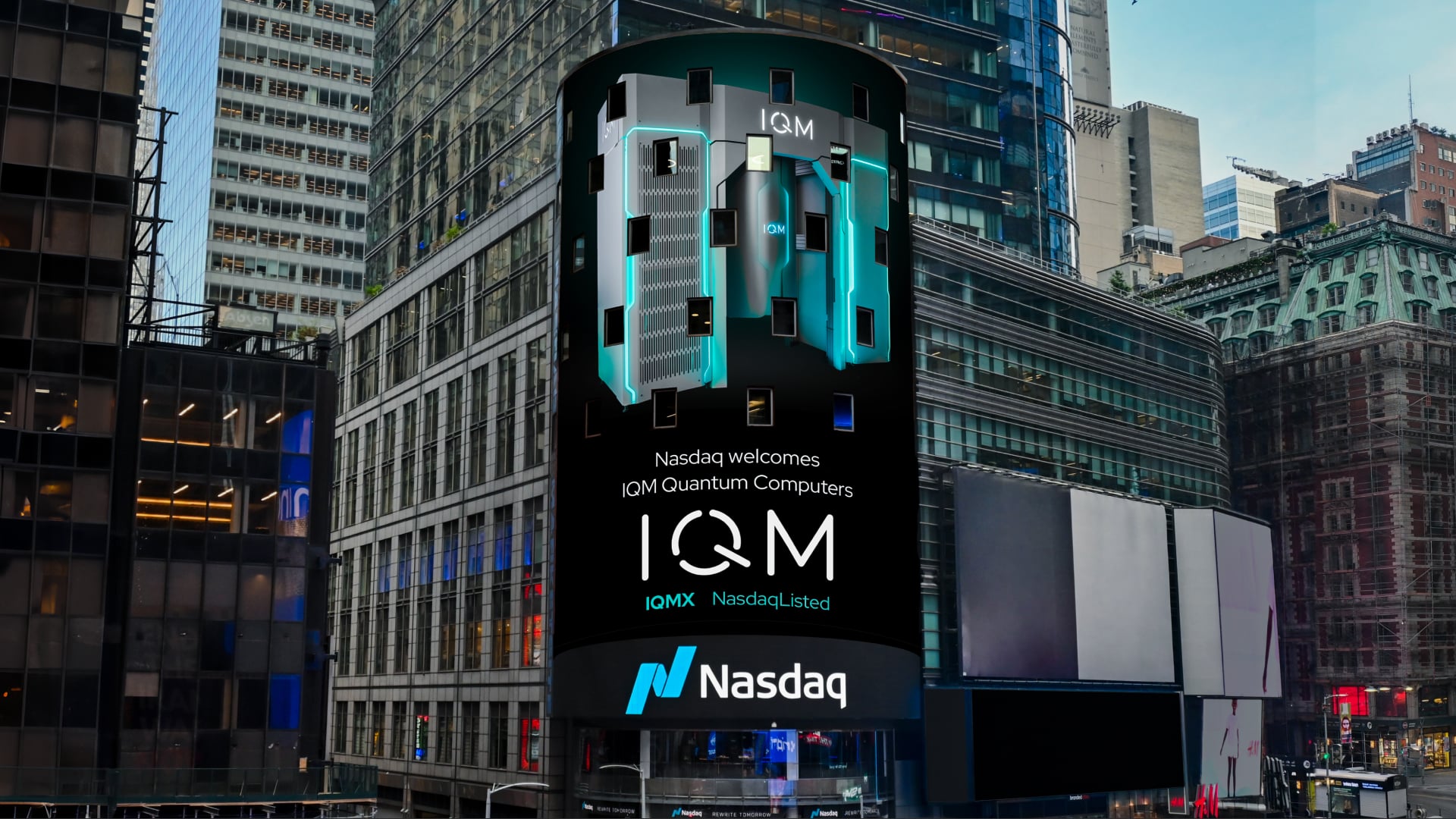
IQM Quantum Computers listed on Nasdaq Thursday at a $1.9 billion valuation, becoming Europe's first publicly traded quantum company after raising 198 million euros via SPAC. The company's own filings warn that
Mark Zuckerberg told Meta employees Thursday that AI agent development has not accelerated as expected — an admission that came six months after the company laid off 8,000 workers and reassigned 7,000
Bhavin Turakhia, the serial Indian tech entrepreneur behind Directi, Titan, and Zeta, has invested $30 million of his own capital in Neo, an AI-native office platform built in Bengaluru to challenge Microsoft
Anthropic is in early discussions with Samsung about a custom AI chip, following OpenAI's Jalapeño partnership with Broadcom. The AI lab's existing compute runs on Google, Amazon, and Nvidia hardware — none
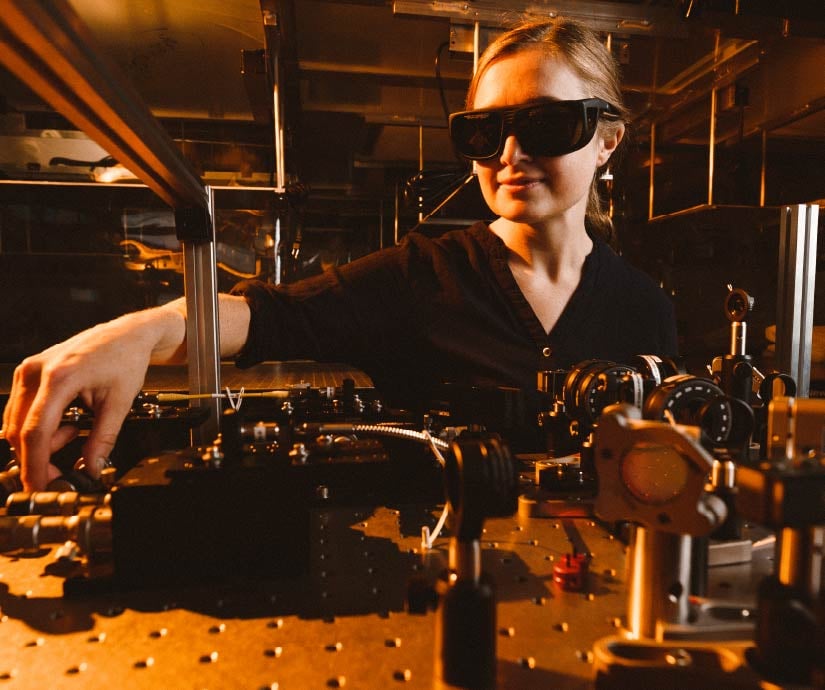
Physicists at McGill University generated controllable quantum phonon bursts by pushing electrons through a 2D crystal at near-absolute-zero, defying existing theory. The work, published in Physical Review Letters, points toward future communications
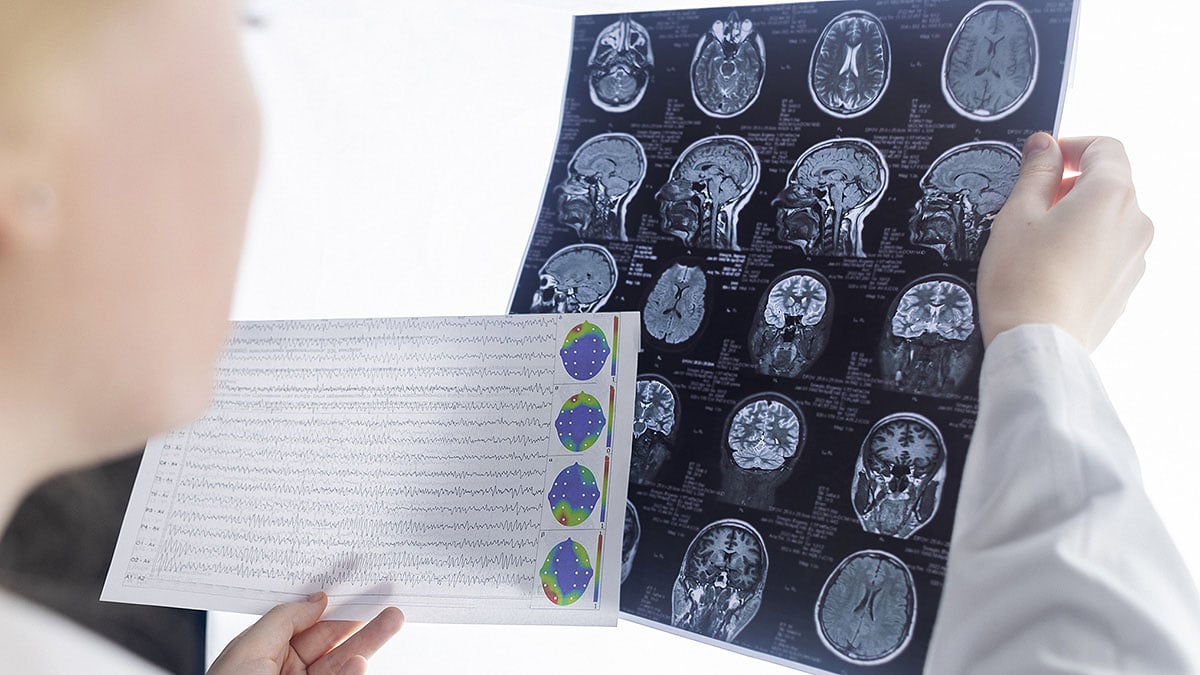
University of Glasgow researchers designed µBots, submillimeter magnetoelectric antennas that transmit both power and data through living tissue without overheating. The breakthrough could enable fully enclosed implants for epilepsy, Parkinson's disease, and
Follow