
NEW YORK — The Dow Jones Industrial Average closed at 52,064.10 on September 10, 2026, falling 316.56 points, or 0.60 percent, as crude oil crossed $100 a barrel for the first time since the Iran conflict began and the ten-year Treasury yield climbed to 4.95 percent, extending the index’s losing streak to four consecutive sessions.
The S&P 500 declined 44.66 points, or 0.60 percent, to 7,591.70. The Nasdaq composite dropped 171.62 points, or 0.70 percent, to 26,081.72, according to a market summary published by ABC News. Across all three major indexes, a fourth straight session in the red — driven not by deteriorating corporate fundamentals but by two macro variables the market had spent the week pricing: oil above $100 and Treasury yields that had moved nearly a full percentage point higher since the Iran-Hormuz conflict began.
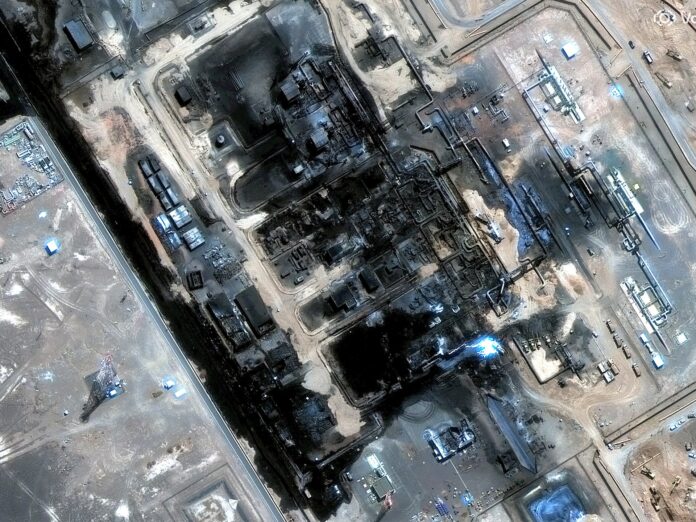
Oil was the session’s dominant force. West Texas Intermediate crude settled at $102.48. Brent crude futures closed at $107.63, briefly touching $108 during New York trading hours. The sustained move above $100 represented a threshold traders had been watching as the Iran-Hormuz disruptions intensified. Elevated energy costs raise input expenses for industrials, transportation, and consumer goods manufacturers — several of which are DJIA components — and reduce discretionary household income in ways that pressure retail-facing names. The conflict driving those prices, in which hardline Iranian elements launched unauthorized Strait of Hormuz strikes that complicated diplomatic resolution, had given traders no clear timeline for normalization.
The bond market amplified the damage. The ten-year Treasury yield reached 4.95 percent on September 10, up nearly a full percentage point from levels that prevailed before the Iran conflict escalated. When the ten-year yield rises at that pace, the discount rate applied to future corporate earnings follows — compressing the price-to-earnings multiples that had carried the DJIA to its all-time closing high of 54,349.12 on August 5, 2026. At the September 10 close, the index sat 4.20 percent below that record. The DJIA’s August advance had embedded optimistic assumptions about the Federal Reserve cutting rates twice before year-end; oil at $102 and yields at 4.95 percent reflected a market that had stopped making those assumptions.
Not every component finished lower. Walt Disney Co. bucked the trend, rising 1.57 percent to $105.82 as investors continued re-pricing the stock following an earnings report where streaming operating income more than doubled. Direct-to-consumer entertainment assets with high subscriber retention and growing advertising tiers proved less exposed to the yield compression that pressured capital-intensive components.

The broader damage concentrated in financials, industrials, and components with high capital requirements. Technology names produced mixed results — AI-driven companies with strong earnings visibility held up better than hardware manufacturers whose supply chain costs rise alongside crude oil prices. Volume on the New York Stock Exchange tracked near the 30-day average, without the spike that would indicate institutional forced selling.
Put-to-call ratios edged higher but stayed within a range consistent with routine portfolio hedging rather than structural repositioning. The pattern of the four-session losing streak — each decline at or below 0.60 percent — matched a methodical repricing of rate and inflation assumptions more than a sentiment-driven break. Selling was spread broadly across sectors rather than concentrated in any single group, a structure more consistent with systematic multiple compression than targeted rotation out of equities.
The open question the September 10 close left unanswered was duration. Geopolitical risk in the Gulf had not reduced, which meant the oil price catalyst behind the yield move remained active. If Treasury yields stabilized, the rate-compression pressure on equity multiples would lose its primary driver. If yields continued higher, the multiple compression would deepen. The DJIA at 52,064.10 — 4.2 percent below its record, on the fourth day of methodical losses — was a market in the middle of a recalculation, not yet at its end.