
NEW YORK — Gold buyers got some relief from falling oil prices on Monday, but not from the prospect of another increase in US interest rates. The rebound left bullion close to the $3,900 threshold it lost on Friday, with the pressure from inflation still unresolved.
The gold price today reached $3,899 an ounce in Anadolu Agency’s November 2 market report, which described a 0.6% rise on rebound buying. That is a reported trading snapshot, not a continuously updated quote, and should not be read as a guaranteed dealing price.
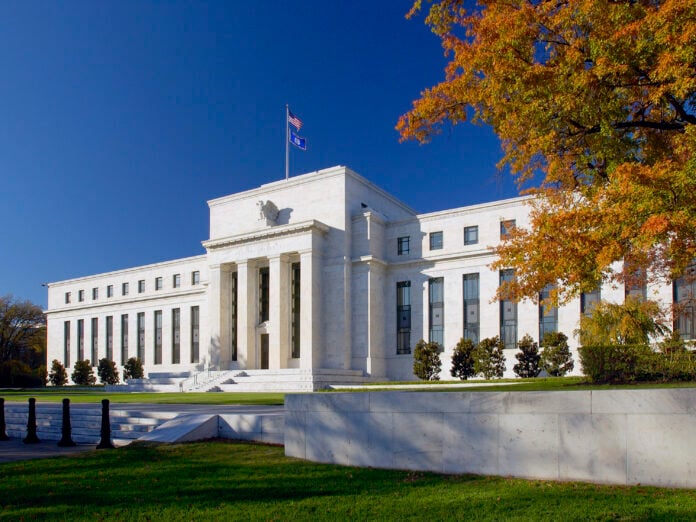
Money-market estimates still put the probability of another Federal Reserve rate increase before year-end above 70%, the agency reported. The distinction matters: a recovery in gold does not, by itself, show that investors have abandoned the expectation of tighter monetary policy.
According to Anadolu’s Monday market report, December-delivery Brent crude fell 3.2% to $109 a barrel as markets weighed the prospect of a US-Iran agreement through intermediaries to fully reopen the Strait of Hormuz. The report described cautious optimism, not a completed agreement.
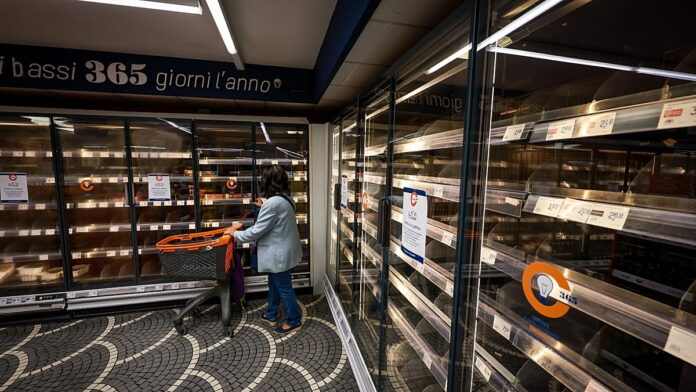
Cheaper oil offers one route toward easing the inflation pressure troubling gold investors. But a lower oil quote and a lower inflation reading are different things. Monday’s report continued to describe persistent US inflation risks and strong economic activity as reasons markets expected the Fed to tighten policy again.
That creates a tension for bullion. An improvement in the diplomatic outlook can reduce the immediate energy-price pressure associated with disruption in the Gulf. It does not establish that policymakers have enough evidence to change course. Gold can recover on the first development while remaining exposed to the second.
The World Gold Council’s June analysis of interest rates and gold explains why the relationship is not mechanical. Higher policy rates conventionally weigh on bullion through higher real yields and a stronger dollar, but historical rate increases have not produced a uniform response in yields, currencies or gold.
That research predates Monday’s trading and is not a fresh forecast. Its relevance is the mechanism: an expected rate increase matters partly through what happens to competing assets and the currency in which gold is priced. Treating every increase in rate expectations as an automatic instruction for gold to fall would strip out those other influences.
Anadolu put the 10-year US Treasury yield at 4.94% at the start of Monday’s trading, describing it as flat at that point. The dollar was also trading sideways at 101.9. Those observations do not establish that either market had begun a sustained reversal alongside bullion’s recovery.
Friday’s damage was considerably larger than Monday’s reported percentage gain. In a separate October 30 report, Anadolu recorded spot gold at $3,880 an ounce at 17:50 GMT, down 3.5% that day and at a 13-month low. It reported declines of 7.14% over the preceding month and 10.19% over the preceding year.
Those are the periods used in that Friday report. They are not year-to-date returns, and the $3,880 observation was not identified as a final closing price. Keeping those labels attached to the figures prevents a short recovery from being mistaken for a reversal of the wider decline.
There is also a limitation in comparing the two daily reports directly. Monday’s account summarized Friday’s move as a 3.6% fall to $3,870, rather than the $3,880 recorded at 17:50 GMT in Friday’s separate dispatch. These are different reported observations, not interchangeable closing benchmarks. Monday’s stated 0.6% gain should therefore remain attributed to its source rather than recalculated from a mismatched Friday snapshot.
The market has moved a long way from the earlier October gold rebound covered by The Eastern Herald. That article is historical coverage, not a source for today’s price. Its relevance is the recurring contest between recoveries in bullion and expectations about the cost of holding it while interest-bearing assets remain available.
The World Gold Council groups gold’s drivers into economic expansion, risk and uncertainty, opportunity cost, and momentum. A daily price change cannot isolate how much each contributed. The reports available for this article do not provide a breakdown of Monday’s buying by central banks, investment funds or individual purchasers.
Anadolu identified upcoming US nonfarm payrolls data as a potential influence on rate expectations. It also described uncertainty before the US midterm elections. Neither event’s outcome is known in this report, and neither supplies a basis for presenting a particular gold price as inevitable.
For now, the evidence supports a narrower conclusion than a wholesale change in direction: gold recovered as oil fell, while the reported probability of another Fed increase remained above 70%. The rebound has not yet supplied evidence that the underlying inflation pressure, rather than only the price of oil, has eased.