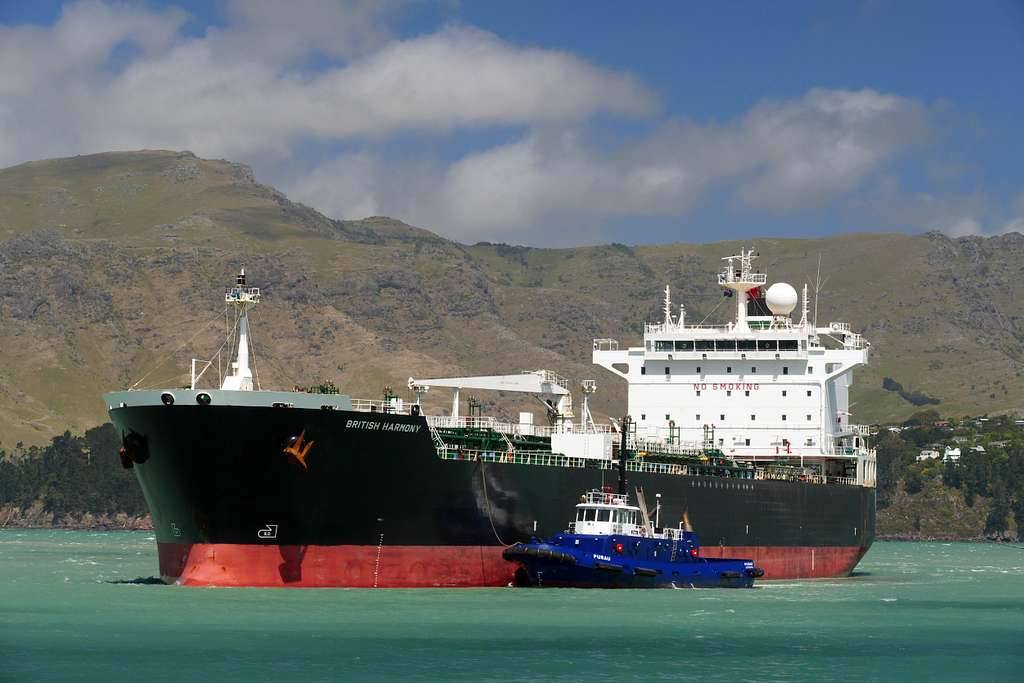

Russia continues to successfully evade Western sanctions by increasing transshipment of black gold and petroleum products from one tanker to another. Thus, in February, the volume of such transport increased by 21% compared to the previous month.
During the last winter month, the volume of oil transshipment amounted to 22 million barrels, although in January this figure reached 18.2 million barrels. In October, before the embargo was introduced, oil was not transported this way.
Currently, transshipment volume has reached 19.5 million barrels, including 9.37 million in the region near the Greek port of Kalamata, where shipments have increased by 60%. About 4.4 million oil fell on the area near the port of Ceuta in North Africa. The remaining 5.8 million barrels of oil were shipped near Yeosu in southern Korea.
Transshipment of gasoline and diesel fuel also increased, with 2.5 million barrels shipped in the first two months of 2023, 1 million more than the previous period. In general, these shipments indicate an increase in the supply of Russian energy carriers to countries that have adhered to the embargo against the Russian Federation.
These operations most often involve tankers that have been in operation for around 16 years. At the same time, the usual “age” of ships carrying petroleum products is 12 years.
Photos used: picryl.com