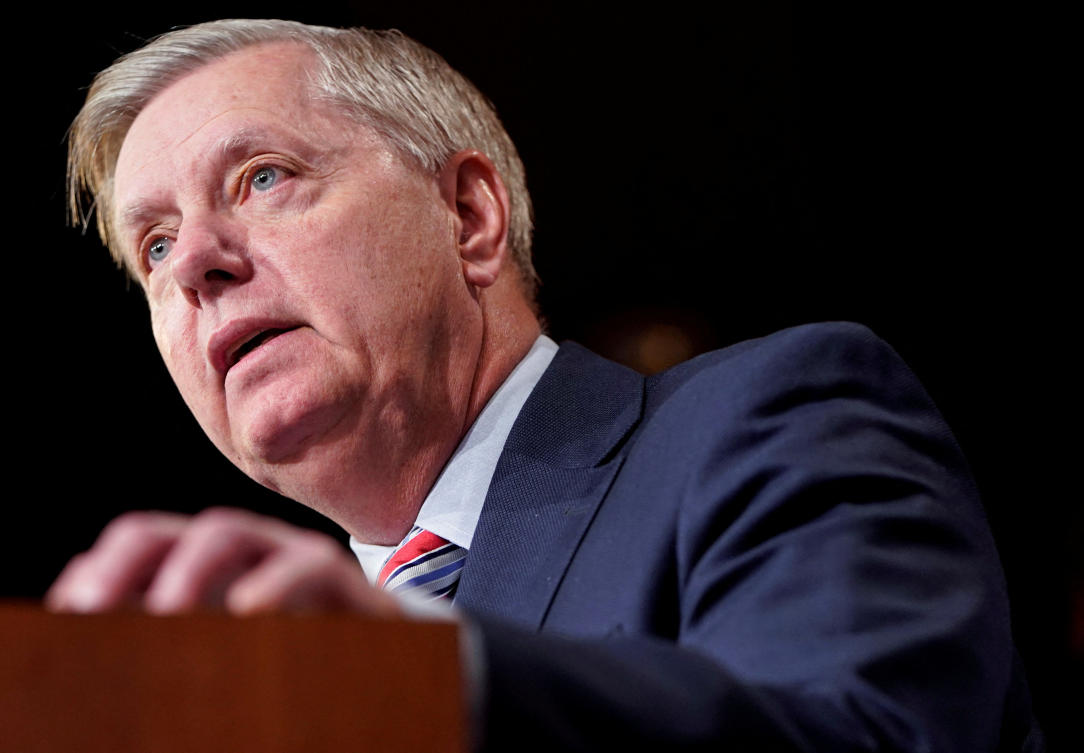

COLUMBIA – His office announced it in three sentences on a Saturday evening, with no cause given and no timeline attached. Lindsey Graham, Republican senator from South Carolina since 2003 and one of the most recognizable advocates for American military power abroad, died Saturday from what his staff described as a “brief and sudden illness.” He was 71.
The statement offered nothing further. In three decades of Senate and House service, Graham had never been modest about his positions, but this single concession to brevity arrived without context. His staff did not say where he died or who was present when he passed.
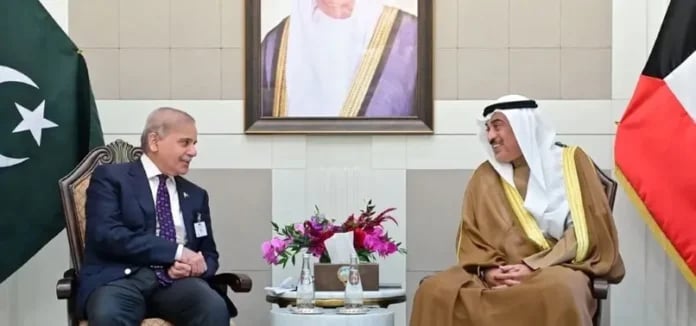
The first formal responses came not from Washington but from Jerusalem. Israeli President Isaac Herzog, Defense Minister Israel Katz, Foreign Minister Gideon Saar, and former Prime Minister Naftali Bennett each issued tributes within hours, calling Graham “a true friend of Israel and one of its strongest supporters in Congress,” according to Arab News. In American politics, the cascade of Israeli official reactions to an American senator’s death is itself a statement about what the career meant. Graham had been one of the most consistent co-sponsors of pro-Israel resolutions and military aid packages across multiple administrations, and the alignment was not incidental: it was the organizing principle of much of his foreign policy.
Graham entered the House in 1995 representing South Carolina’s Fourth Congressional District and won election to the Senate in 2002. He served as a judge advocate general officer in the Air Force Reserve, which shaped his public posture as someone who understood military engagement through personal experience. His close alliance with the late John McCain through the 2000s gave him a bipartisan hue his record did not always support. When McCain died in 2018, Graham recalibrated toward Donald Trump, and the recalibration was thorough enough that by 2024 the president’s endorsement had become the single most critical variable in his political survival.
Graham chaired the Senate Judiciary Committee for two terms, a role that gave him significant influence over federal judicial nominations and Supreme Court confirmations. He also served on the Senate Foreign Relations Committee, where his positions on Iran, Russia, and China made him a fixture at every foreign policy hearing of the past decade. He crossed the aisle enough to maintain relationships, but the crossing was never out of conviction. He understood the Senate as a venue for leverage.
The war Graham spent two decades asking for finally arrived. As the Senate’s most persistent voice for confrontation with Iran, he celebrated when American strikes began, framed every escalation as necessary, and held the position that engagement would produce a better outcome than restraint. What it actually produced became visible at his June primary in South Carolina: Republican voters, facing oil price shocks and no clear victory in sight, questioned whether the senator who asked for the war had accurately described its costs. Graham won, but only after spending a reported 27 million dollars and invoking the president’s name at every turn.
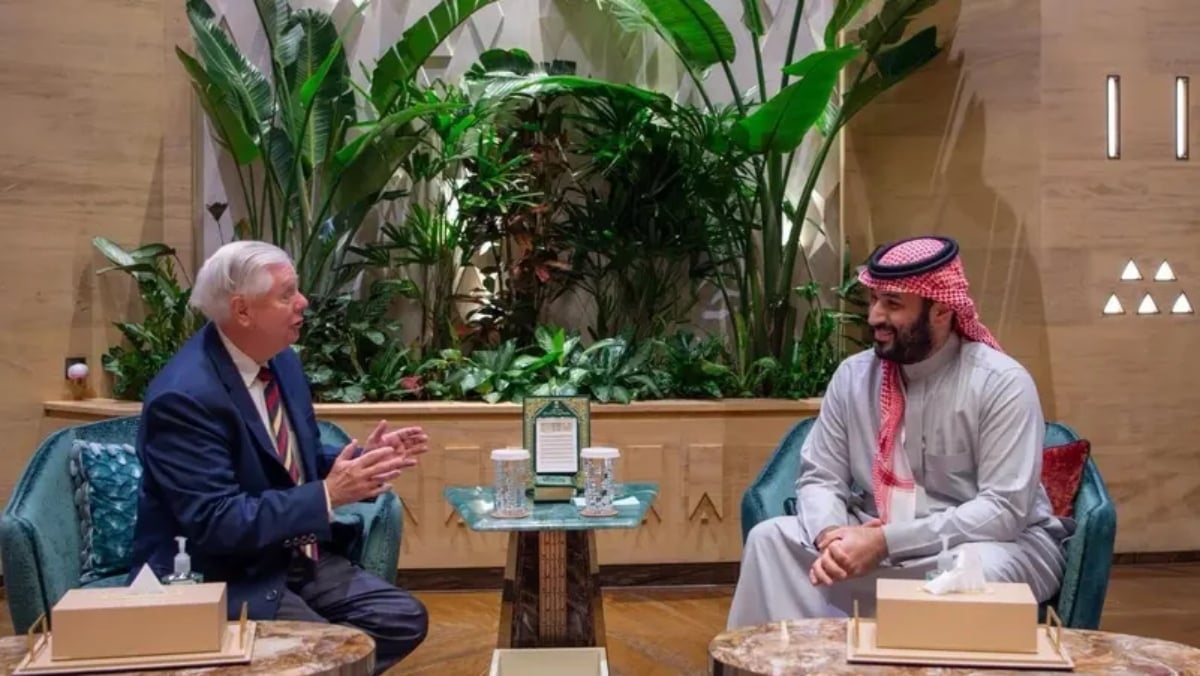
His final major legislative push compounded the lesson. In the week before his death, Graham returned from a visit to Kyiv and introduced legislation that would impose secondary tariffs of up to 500 percent on buyers of Russian crude, specifically targeting India and China. The White House formally backed the measure. The Russian oil sanctions bill he championed now faces an uncertain legislative path without its most prominent Senate advocate.
He was 71 and had represented South Carolina continuously since 1995, making him one of the longest-serving members of the state’s congressional delegation. He never married and had no children. He grew up in Seneca, in the state’s northwestern corner, and had discussed in interviews how the deaths of his parents when he was in his early twenties left him responsible for his younger sister, an experience he said shaped his understanding of duty. The personal biography was always part of the public presentation.
Graham’s death creates a Senate vacancy that South Carolina’s Republican governor will fill by appointment, pending a special election. In a chamber where Republican margins remain narrow, the appointment carries procedural weight the senator himself would have recognized immediately. The Russian oil sanctions bill, the pending judicial nominations he was tracking, the Iran war’s legislative trail: all of it now passes to whoever the governor selects, in a state that has not sent a Democrat to the Senate in decades.
The cause of death was not disclosed. Graham had given no public indication his health was in question, and the phrase “brief and sudden illness” answers nothing about what actually happened. The Israeli officials who responded so quickly apparently knew no more than anyone else: their tributes praised what he had done, not what had taken him. That gap, between the length of the record and the brevity of the ending, was in its way characteristic of the man. He spent his career in certainties. His exit offered none.