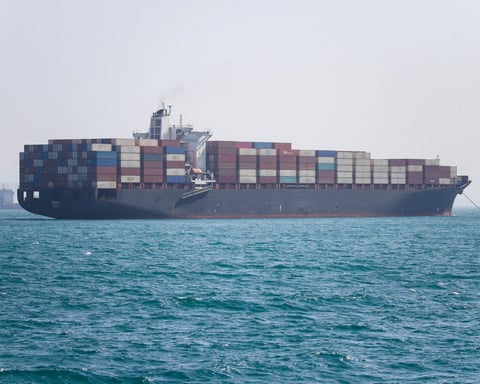

The Ministry of Public Health intensified its control measures on the local market to ensure the application of the highest level of food safety during the holy month of Ramadan, as it implemented an integrated plan that began several months ago to ensure that local and imported food conforms to health requirements, especially for the holy month. The plan included two phases to intensify health monitoring, with the aim of achieving the highest levels of safety and security for food that is marketed and consumed during the month of Ramadan, with a focus on intensifying health monitoring of consumer associations and hotels, which are increasingly popular with consumers during this period. During the first phase of the plan, a preliminary inspection campaign was launched, before the holy month, which included 52 consumer associations. As for the second phase, which is implemented during the month of Ramadan, it is represented in launching an inspection campaign to cover major consumer associations and hotels in which Ramadan tents are held, with a focus on the results of the preliminary campaign and previous visits. Inspections of food establishments carried out by the administration are carried out through the use of the electronic system for food safety (Wathiq), where 100% of hotels and 90% of major consumer associations have been registered in this system. Food trading activities that are monitored by the Ministry include everything that can be It may directly or indirectly affect the safety and quality of the offered food. Inspection takes place at all stages of the food chain, starting with the receipt of primary foodstuffs, to the stage of displaying ready-to-eat foodstuffs. The inspectors are particularly keen to inspect and examine the critical points, including the initial preparation stages (cooking, cooling, and display of ready-to-eat foodstuffs). They also ensure the extent to which the food establishment adheres to health requirements during the stages of the food chain. As for the critical points, measuring devices are used to ensure The temperature of foodstuffs after cooking and cooling them and during display. A special device is used to check the frying oils to ensure the safety of the used oils. Emphasis is also placed on evaluating the extent of food handlers’ awareness of general hygiene rules, especially hand hygiene and the cleaning and disinfection mechanism. In addition, the inspector takes samples to ensure the safety of the food and its compliance with quality standards. These samples are examined in the central food laboratories of the Ministry of Public Health. The role of the Food Safety Department is not limited to monitoring and monitoring violations only, but also extends to following up the implementation of the corrective action plan that aims to achieve the highest levels of compliance with health requirements. With regard to the control of imported food, the statistics recorded the control of a total of 408 million and 80 thousand and 939 kilograms of foodstuffs during the period from the beginning of 2023 to the 15th of last March, and 404 million and 610 thousand and 697 kilograms were released after it was proven that they conformed to the requirements. 3 million and 470 thousand and 241 kilograms were rejected after it was proven that they violated the requirements of the technical regulations and the relevant standard specifications. Inspectors of imported food control work at the country’s land, sea and air ports around the clock, seven days a week, to ensure effective control and the flow of goods in a manner that covers market needs without any technical obstacles. The Food Safety Department has also prepared an awareness program aimed at enhancing the consumer’s role in preserving food safety, protecting his health, and increasing awareness of the rules for maintaining food safety and how to avoid foodborne diseases, as awareness is intensified through social networks, in addition to implementing awareness activities that will be organized in tents. Ramadan in hotels.