

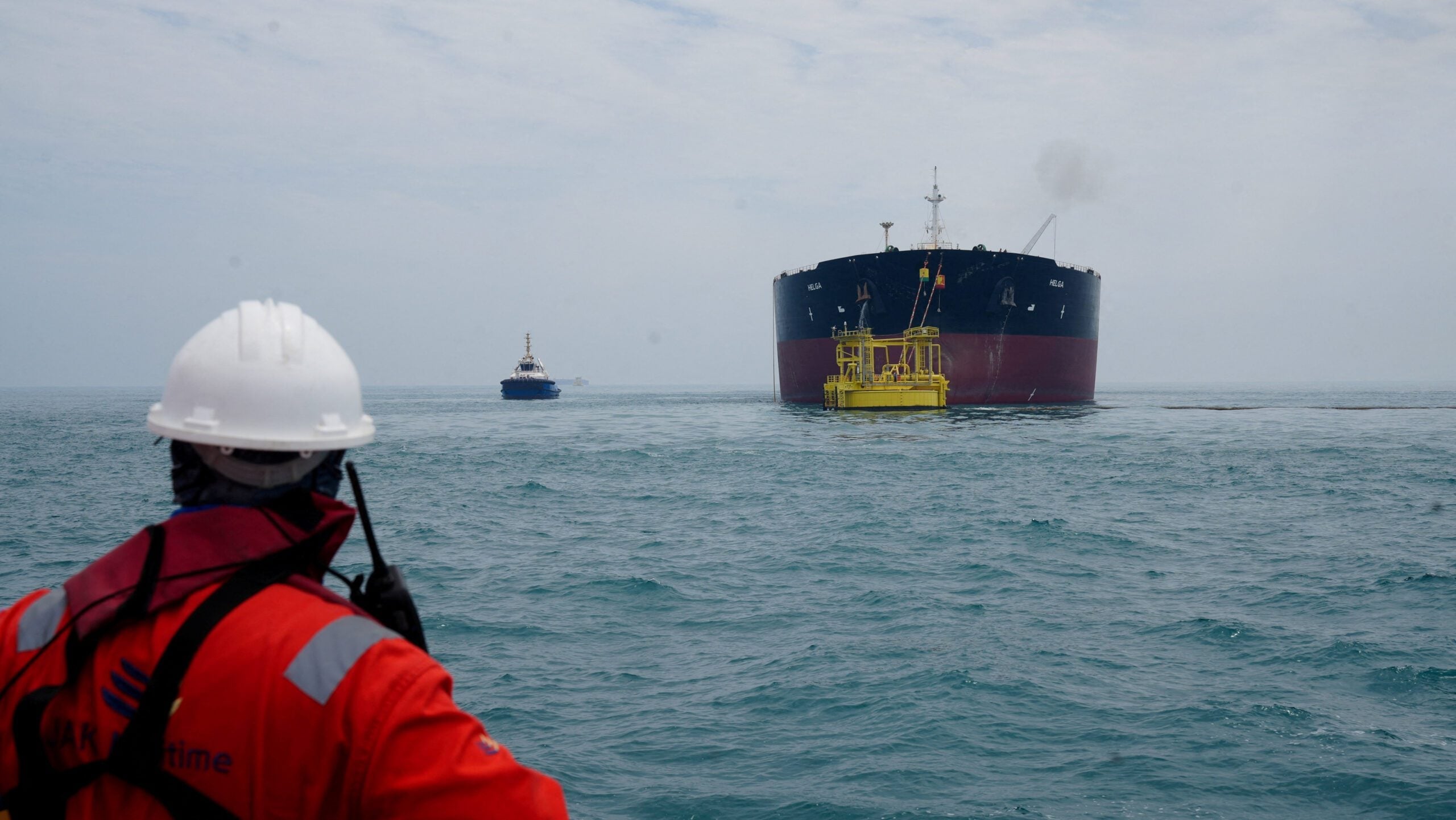

DUBAI — The Strait of Hormuz has two transit regimes now. One is the corridor Iran’s Revolutionary Guard controls, where ships submit documentation, accept IRGC-escorted passage through a designated route, and pay a fee that two shipping companies have already settled in yuan. The other runs through Omani waters, backed by the US Navy, where vessels cross without Iranian clearance but navigate alongside a waterway where mines have not been formally cleared.
Iran suspended the fees for 60 days under the memorandum of understanding signed with the United States on June 17. The window closes around August 16. Iran’s negotiators have been explicit that fees resume after it.
The July 9 nuclear working group between US and Iranian technical teams is scheduled to negotiate enrichment limits and IAEA access. Whether the commercial regime governing the world’s most important oil chokepoint is on its agenda has not been publicly confirmed.
Secretary of State Marco Rubio stated the US position plainly on June 24. “It’s an international waterway. No country is allowed to charge tolls or fees on an international waterway,” Rubio told reporters. Iran’s chief negotiator responded that the strait “will never return” to prewar conditions. The legal dispute was not resolved by the MoU, only suspended.
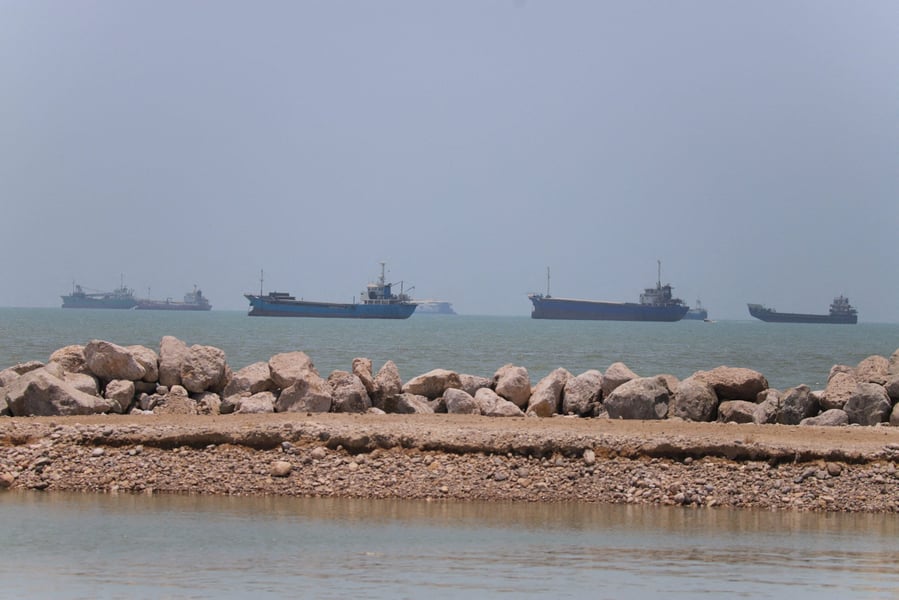
Iran’s legal argument rests on sovereignty. The strait’s navigable channel passes through Iranian and Omani territorial waters. Tehran’s position is that it and Oman together can govern passage and charge for navigational services, including route designation, mine clearance, and vessel coordination. The IRGC’s Persian Gulf Strait Authority has been enforcing these conditions since March 13, requiring vessels to submit clearance codes before transit. A joint Iran-Oman statement described studying “possible charges for services provided.”
The legal counterargument, which the United States holds and most international maritime scholars support, is that the UN Convention on the Law of the Sea guarantees transit passage through international straits that coastal states cannot toll. The US Treasury’s Office of Foreign Assets Control issued a sanctions alert in June warning that paying Iranian fees may constitute a sanctions violation for US-affiliated companies and their insurers.
The practical pressure on shipping is measurable. Iran’s IRGC actively redirected vessels on June 18-19, contacting ship captains directly to state they “do not have permission to transit,” according to gCaptain, citing INTERTANKO reports. A foreign container ship ran aground outside Iran’s designated route. Daily transits have recovered to between 22 and 28 vessels, against a prewar average of 138. The mine threat is unresolved; formal clearance of suspected mine fields has not begun.
At the center of the commercial dispute is a figure Iranian lawmakers have discussed in the range of $2 million per vessel, payable in yuan. Applied to the volumes Iran is seeking to normalize, the toll regime would generate substantial revenue for the IRGC from commercial shipping at a time when Iran faces severe constraints on conventional revenue through sanctions. Two shipping companies have already paid under the system in operation since March. The arrangement is without precedent in the history of international straits.
The nuclear working group was designed to address enrichment and inspections, not maritime commercial law. The broader uncertainty about Mojtaba Khamenei’s nuclear posture adds to the complexity: a deal on enrichment caps that leaves the Hormuz commercial regime unresolved does not return the global oil market to prewar conditions. The strait carried roughly one-fifth of the world’s oil and liquefied natural gas trade before the conflict. That volume is not moving at prewar levels while the waterway’s legal status remains contested.
Iran’s government has made the toll framework a sovereignty claim rather than a concession available for trade. Tehran has built administrative infrastructure around the PGSA clearance system. Walking it back without a face-saving equivalent would be politically difficult in the current climate. What the US brings to July 9 is a legal position and a counter-offer in the form of the southern Omani corridor. Whether those two positions have a meeting point before mid-August is not yet known.













