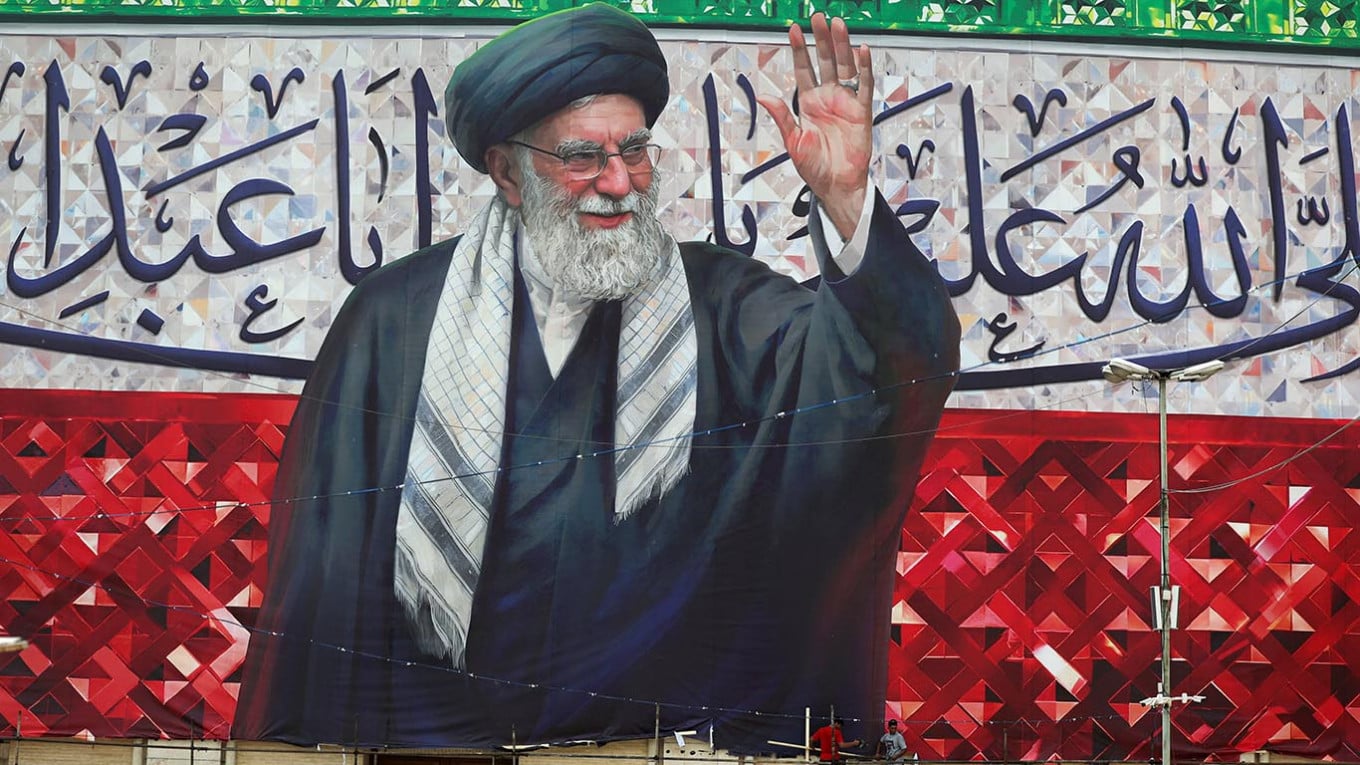

TEHRAN — Pakistan’s prime minister flew to Tehran. India’s prime minister did not. That single diplomatic arithmetic — who attended the July 3 ceremony for foreign dignitaries at Khamenei’s state funeral and who stayed home — sketches the contours of Iran’s surviving relationships more precisely than any post-war communiqué.
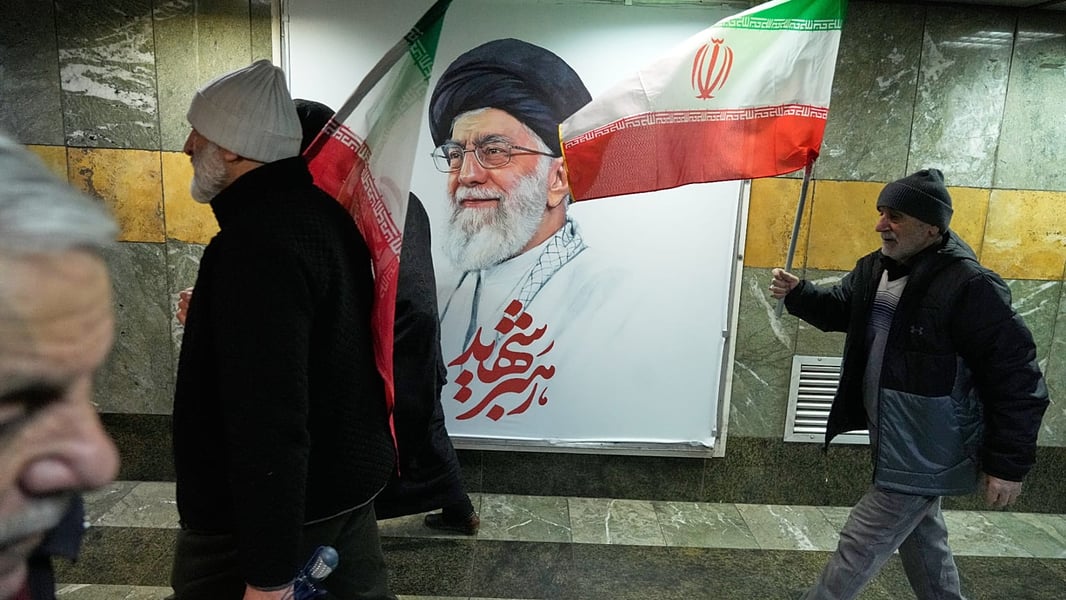
Ali Khamenei was buried on Friday after a state funeral that began with a week of ceremonies, but July 3 was the day reserved for the foreign guests: the heads of government and senior officials who would not share crowds with eight million Iranians in Tehran’s streets. The seating arrangement read less like a condolence list than a ledger of who owes what to Tehran — and who has decided the debt is settled.
Pakistan’s Prime Minister Shehbaz Sharif led the diplomatic representation in raw seniority, the only sitting head of government to attend. Islamabad brokered the memorandum of understanding between Iran and the United States in May, the framework that paused hostilities and set the terms for the Doha negotiations. Coming to the funeral was not sentiment. It was a signal that Pakistan intends to remain the intermediary.
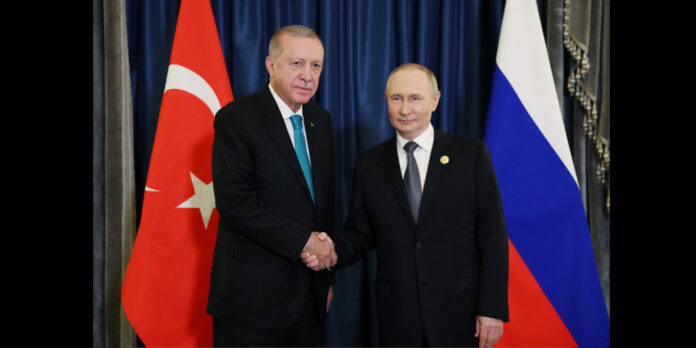
Russia sent Dmitry Medvedev, deputy chair of the Security Council and Vladimir Putin’s designated special envoy. The delegation included senior religious figures — Orthodox Christian and Muslim theologians — a configuration that underscored Moscow’s framing of the Iran-Russia relationship as a civilizational axis rather than a purely transactional military partnership. The two countries signed a comprehensive strategic partnership treaty in January 2025, though the text stops short of mutual defense obligations: neither is required to come to the other’s aid if attacked.
China dispatched He Wei, a vice chairman of the Standing Committee of the National People’s Congress. The choice of rank was deliberate. Bloomberg reported He was the first senior Chinese official to visit Iran since the war — accurate, but the phrase also carries what it describes: Beijing sent a legislator, not a minister, and not Xi Jinping’s special envoy. China has continued purchasing Iranian crude throughout the conflict at a discount. The funeral attendance confirms the relationship, without elevating it.
Georgia sent President Mikheil Kavelashvili. Tajikistan sent President Emomali Rahmon. The Taliban dispatched a delegation from Kabul that included Foreign Minister Amir Khan Muttaqi — an appearance that would have been diplomatically impossible before the Doha accords normalized Taliban representation at multilateral events. Afghanistan and Iran share a long and contested land border, and the two governments have clashed repeatedly over water rights to the Helmand River. The Taliban’s presence was pragmatic geography.
The absences carry as much weight as the attendances. Saudi Arabia did not send a delegation to Tehran, notable because the two countries normalized relations in 2023 under Chinese mediation and Riyadh formally ended its support for the Israeli campaign earlier this year under pressure from Washington. The UAE, Jordan, and Egypt also did not appear on any confirmed attendance list from the morning ceremony. Gulf states that made quiet overtures to Tehran during the conflict appeared unwilling to be photographed at Khamenei’s funeral while their populations watched.
India’s absence was the most analytically loaded. New Delhi sent Deputy Foreign Minister Pabitra Margherita and Bihar Governor Syed Ata Hasnain — both Muslim, both senior, and both well short of Prime Minister Narendra Modi. India has more than ten million nationals working in Gulf states whose governments — Saudi Arabia, the UAE — sat on the other side of Iran’s conflict. A Modi appearance in Tehran would have required explanation in Riyadh and Abu Dhabi. India chose not to require it.
No Western government sent a delegation. The United States, the United Kingdom, France, Germany, and the European Union were absent by convention as much as by choice. Washington’s indirect negotiations with Tehran in Doha concluded on July 2, producing a communication channel and a frozen-assets arrangement, but nothing resembling normalized relations — a gap documented by the Doha readouts.
What the guest list does not tell you is how durable any of these relationships are. Pakistan’s role as intermediary depends on both sides continuing to want one. Russia’s partnership with Iran carries limits that no religious delegation can paper over — Moscow declined to supply Tehran with the air defense systems it actually needed. China’s commercial relationship with Iran survives on discounted crude and deniable payment channels. The hardline parliamentary bloc that emerged from the war has already moved to constrain the successor government’s negotiating flexibility, banning IAEA inspectors from bombed nuclear sites by statute.
Every relationship in that July 3 room was conditional. What Khamenei’s successor inherits is a country whose allies keep it at arm’s length, a ceasefire that produced a dispute hotline, and a nuclear program whose facilities were bombed and whose inspectors have been legislated out. The funeral guest list reveals the surviving alliances. Whether they will be enough is the question the successor has not yet been allowed to answer.