
DUBAI — The day after the Islamabad Memorandum was signed, Iranian Foreign Minister Abbas Araghchi told reporters in Dubai that the war had not fully come to an end. Not while Israeli forces remained on Lebanese soil.
“Without the withdrawal of Israeli forces from the territories they occupied during this war, the war has not fully come to an end,” Araghchi said on June 16. A US official, separately briefing reporters, said the MoU with Iran contained no requirement for Israeli withdrawal from Lebanon. Both statements described the same agreement.
That contradiction — Iran’s stated condition and the US’s description of what the deal actually covers — is the structural obstacle waiting for negotiators when talks resume after Khamenei’s funeral, set to run through July 9. The Doha round on July 1-2 produced a dispute hotline and a partial frozen-assets arrangement, but the Lebanon question was deliberately deferred, not resolved.
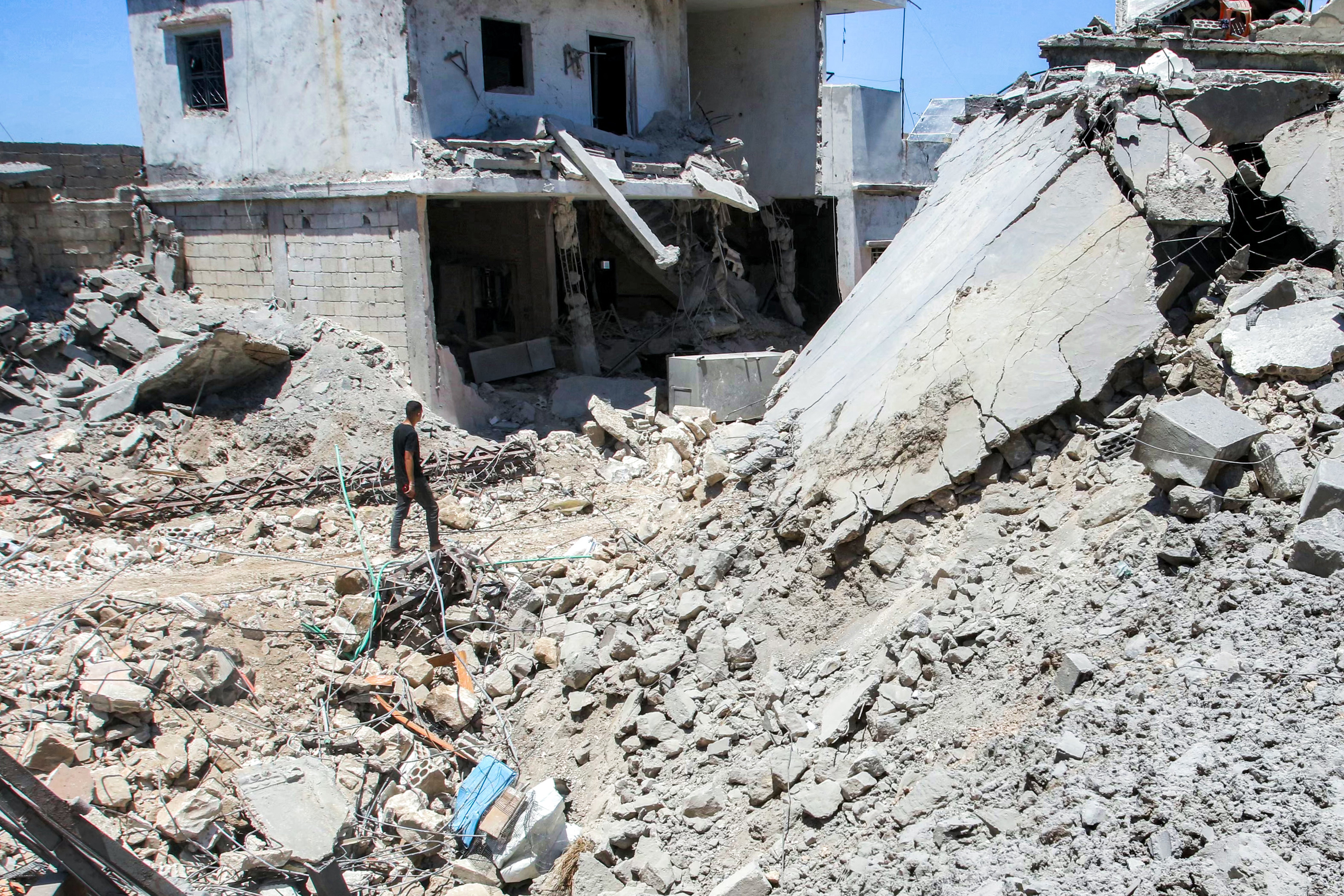
The sequence matters. On June 17, a day after Araghchi’s statement in Dubai, Israeli drone and air strikes continued in Tyre, Bint Jbeil, Nabatieh, and Kfar Tebnit, killing at least four people, Al Jazeera reported. Iran’s foreign ministry said Israeli forces had violated the Lebanon ceasefire 84 times in the first two days of the deal. Iran described continued strikes as a violation of the MoU. The US characterized them as Israel’s separate Lebanon policy, distinct from the bilateral US-Iran arrangement.
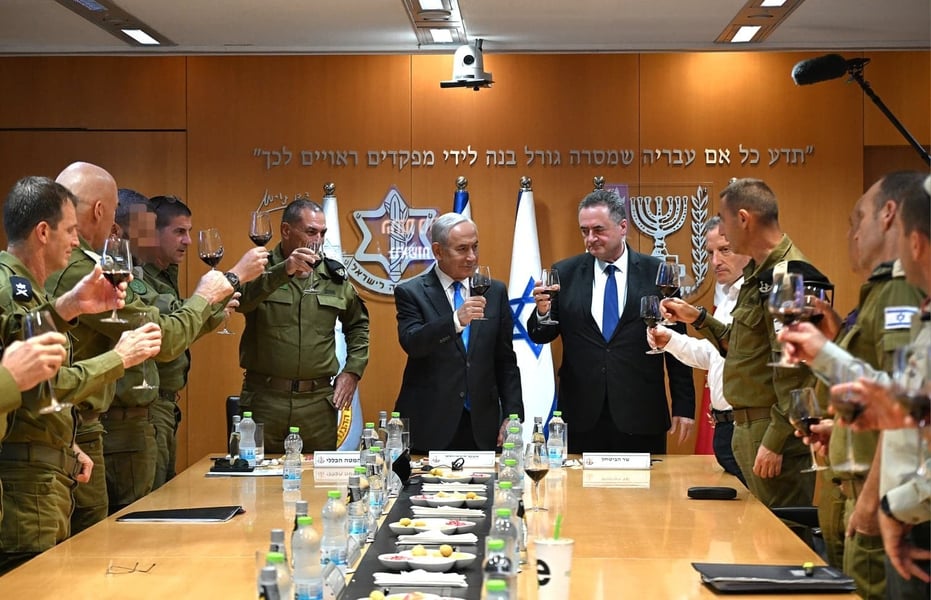
Israel is present in southern Lebanon on its own terms. Ground forces entered on March 16, 2026, and by the time of the ceasefire framework held 570 to 600 square kilometers of Lebanese territory. Prime Minister Netanyahu said Israeli forces would remain “for as long as necessary.” Defense Minister Israel Katz went further, stating the military would not withdraw “even if the United States demands it.” Two hundred thousand Lebanese residents are currently barred from returning to their homes.
On June 26, after four days of Washington talks, Israel and Lebanon signed a framework agreement. Its central mechanism: IDF withdrawal from Lebanon would proceed in phases tied to verifiable Hezbollah disarmament, with no predetermined timeline. Hezbollah’s leader Naim Qassem rejected the agreement the same day, saying Israel had “no option but to withdraw completely from every inch of our Lebanese land” without conditions. The framework’s conditions-based structure was precisely what Qassem said he would not accept.
Iran’s position is that the US-Iran MoU implicitly covers Lebanon — that ending hostilities means ending all hostilities, including Israel’s occupation of the south. The US position is that the MoU is a bilateral arrangement between Washington and Tehran and does not govern Israeli military decisions in Lebanon. Israel’s position is that it will set its own withdrawal conditions, governed by Hezbollah disarmament rather than any diplomatic timeline negotiated in Doha or Geneva.
Three parties. Three incompatible readings of what the ceasefire covers.
The post-funeral negotiations have a nominal first agenda item: the nuclear working group, established at Lake Lucerne in June alongside oversight and sanctions groups. But Iran’s foreign ministry has made clear that the Lebanon question cannot be cleanly partitioned from a final deal. Tehran’s position is that “ending the war” means ending all of it. Iran’s parliament passed legislation tying any future comprehensive agreement to the removal of all “occupying forces” from Lebanon. Those are statutory constraints, not diplomatic postures. Pezeshkian’s government cannot sign away a condition that parliament has written into law.
Whether Araghchi’s Dubai statement is Iran’s actual red line or a domestic positioning play designed for the hardline audience at home is the question the negotiating channel has not answered publicly. Iran has used Lebanon as both a genuine strategic objective — restoring Hezbollah’s position and forcing an IDF retreat — and as a bargaining chip whose value depends on when and how it is deployed. June 16 was the day after the MoU signing, an early moment to define the frame before the US could. That timing is suggestive.
Post-funeral talks will have to choose one of two structures: either Lebanon becomes a separate negotiating track, allowing the nuclear issue to advance independently, or Iran insists Lebanon and nuclear are linked, stalling the nuclear track until IDF forces move. Israel has said it will not move on any timeline not conditioned on Hezbollah disarmament. Hezbollah has said it will not disarm. There is no obvious exit from the circle — which is why the talks paused for a funeral, and why the Lebanon question will be the first real test of whether Doha built anything durable at all.
Related Posts