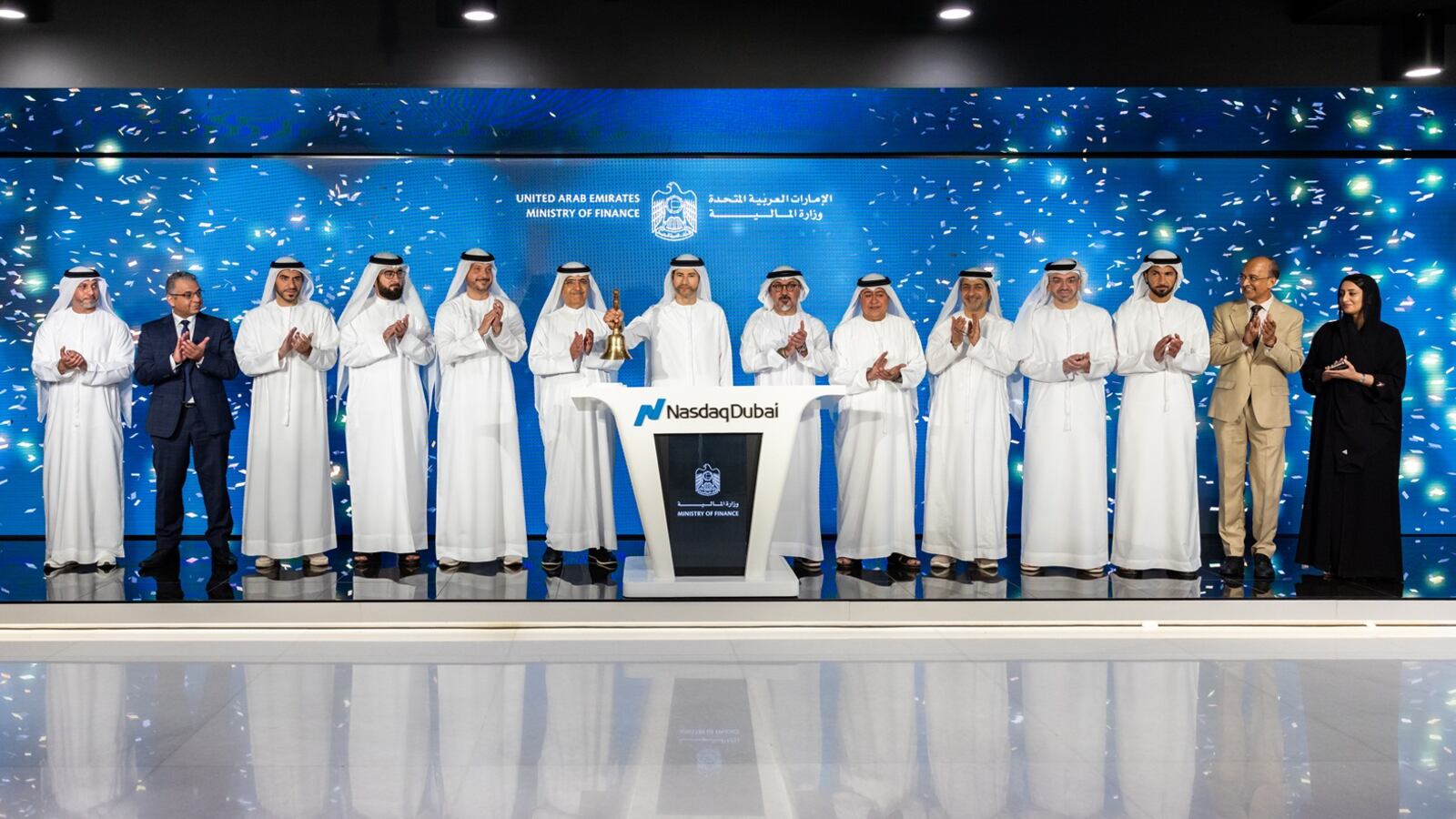

DUBAI – When Mohamed Al Hussaini opened the subscription window on the UAE’s first sovereign retail sukuk, the Finance Ministry had sized the programme at Dh50 million. Within days, it had Dh445 million in orders.
The government doubled the issuance to Dh100 million, roughly $27 million, and even that expansion absorbed less than a quarter of what came in. The UAE’s inaugural sovereign retail T-sukuk is now listed on Nasdaq Dubai. What it leaves behind is a more direct question: retail investors across the Emirates, many buying government debt for the first time, wanted nine times what the sovereign offered.
Of the subscribers who participated, 72 percent were UAE nationals. Retail investors accounted for 76 percent of the total. Combined, women and investors under the age of 25 made up 45 percent of subscribers, a demographic split the Finance Ministry cited alongside the oversubscription figure as evidence the programme had reached exactly the audience it intended.
Sukuk are Islamic bonds structured to avoid the payment of interest, which Sharia law prohibits. In practice that means the investor holds a beneficial claim on underlying assets rather than a conventional debt obligation, receiving a share of revenue rather than a fixed coupon. That distinction matters to Muslim retail investors who have been structurally excluded from conventional bond markets on religious grounds. It matters rather less to the institutional buyers, sovereign wealth funds and bank treasuries, who have dominated the sukuk market for decades and for whom the theological structure is a prerequisite rather than a selling point.
The UAE’s retail sukuk changed who the buyer is. Hamed Ali, chief executive of Nasdaq Dubai, said the programme “opens the door for more individuals to participate in an asset class that has traditionally been beyond the reach of many retail investors.” The threshold for participation was deliberately set low enough that a salaried professional, a first-time investor in her twenties, or a recently arrived expatriate with savings but no access to institutional-grade brokerage platforms could subscribe.
Mohamed Al Hussaini, the Minister of State for Financial Affairs, described the exercise as one that “strengthens the efficiency of domestic capital markets.” That framing understates what the data showed: the government tested whether latent retail demand for sovereign Islamic debt existed at accessible denominations and received back nine times its initial offer, The National reported.
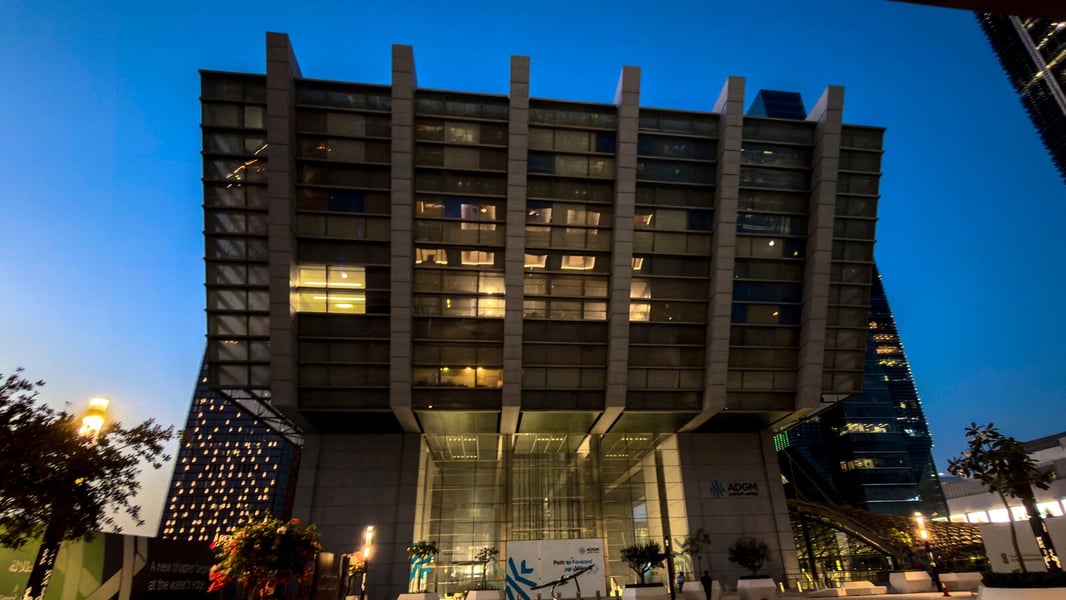
The listed instrument is a T-sukuk, structured like a treasury bill rather than a longer-dated bond, providing a short-duration, government-backed return on savings for investors with no prior exposure to capital markets. Its listing on Nasdaq Dubai, rather than on the Abu Dhabi Securities Exchange, places the instrument within Dubai’s internationalised financial infrastructure, the exchange that lists Islamic bonds from governments and corporations across the region.
The November fractional sukuk initiative preceded this offering, demonstrating that dividing Islamic bonds into smaller ownership units was technically achievable. The retail T-sukuk went further, operating under distinct procedures that qualified ordinary retail investors rather than only those with existing brokerage accounts. That step from fractionalization to full retail subscription of a sovereign bond required the Finance Ministry to run a distribution infrastructure for small-denomination government debt at scale, something few Gulf sovereigns have attempted.
The 9x oversubscription carries a specific read for UAE capital markets. A government that doubts retail investor appetite for its own debt prices accordingly, assuming unsophisticated buyers will shy away from instruments they do not understand and for which secondary market liquidity has historically been thin. What the Finance Ministry received instead was evidence that the barrier was access, not interest. The subscription queue was large enough that even doubling the offer left the majority of those who tried to buy without an allocation.
The offering’s timing places it in the first full month of the post-conflict Gulf economy. The UAE has been running postwar recovery playbooks on multiple tracks: UAE oil exports approaching decade highs as Hormuz bypass infrastructure holds, while Hormuz’s contested shipping framework remains unresolved before the August 16 window. The retail sukuk launch runs alongside both, establishing a direct fiscal relationship between the sovereign and its residents that did not previously exist in retail bond form.
What the Finance Ministry has not disclosed is how proceeds from the Dh100 million raised will be deployed, or whether the decision to double the offering was pre-planned as a success scenario or made in real time as the order book filled. No announcement has appeared about a cadence for future issuances. The programme may be a one-time proof of concept; it may become a quarterly instrument. What the first round established is that the supply constraint is not demand. The government chose the ceiling, not the market.
The detail easiest to overlook in the subscriber breakdown is that 45 percent women and investors under 25 are precisely the cohorts Gulf financial regulators have spent the better part of a decade trying to bring into formal capital markets. Programmes aimed at financial inclusion have historically struggled against the combined barriers of minimum investment thresholds, Sharia compliance uncertainty for non-specialists, and thin secondary market liquidity. The T-sukuk cleared all three in a single offering. Whether those first-time investors return for the next issuance, and what that cohort does with UAE capital markets more broadly, is what the Ministry does not yet know.