
DUBAI – The speed of the UAE’s oil export recovery should make the rest of OPEC+ nervous. Less than four months after pipeline attacks and Strait of Hormuz disruptions pushed the Emirates’ crude output to barely 1.9 million barrels per day, the country is approaching volumes it last sustained in 2017, and it is no longer bound by any production ceiling that constrains its climb.
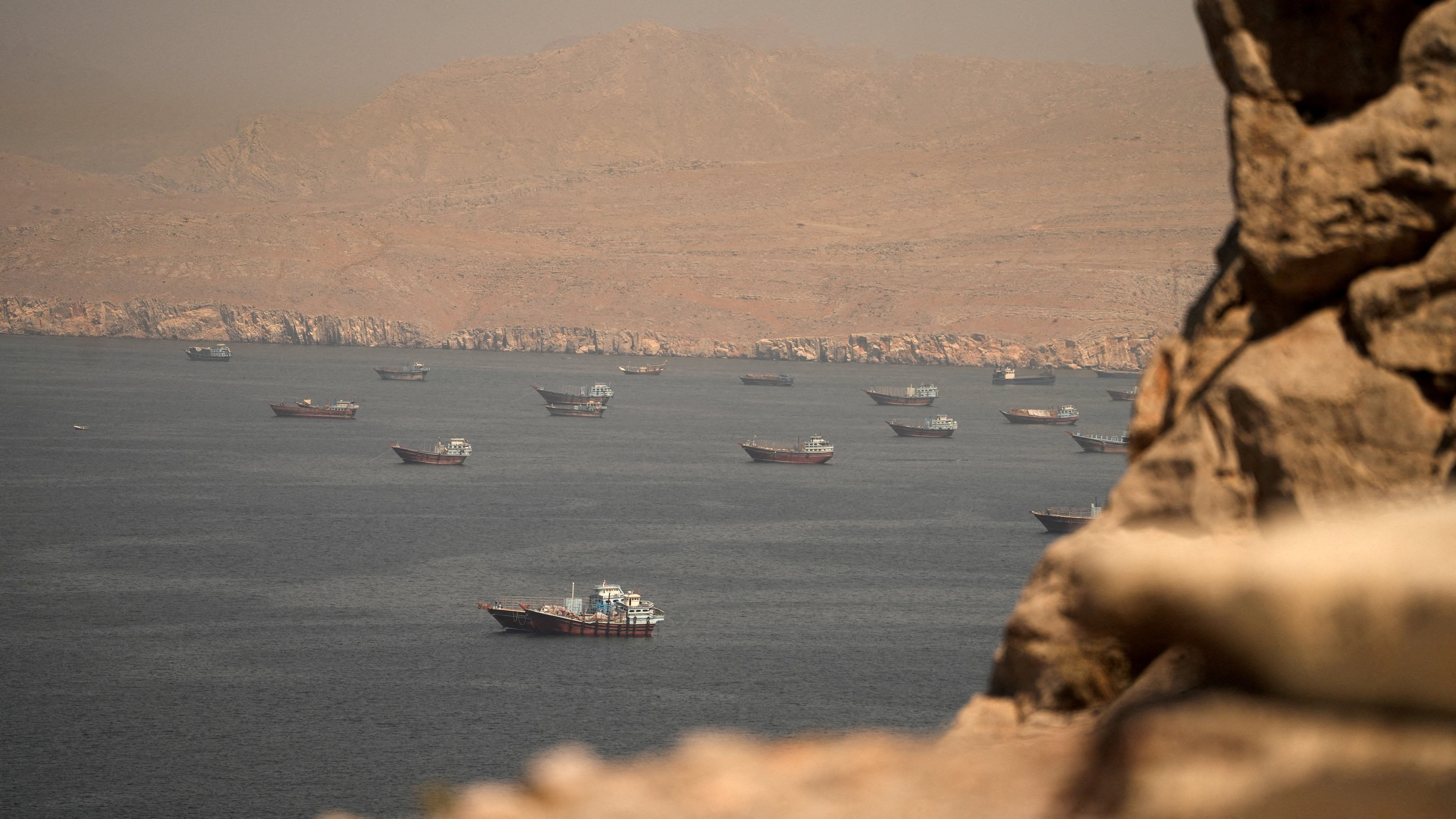
UAE crude exports rose roughly 30 percent last month to more than 3.9 million barrels per day, The National reported, approaching record levels the country last reached nearly a decade ago. Abu Dhabi routed crude through the Habshan-Fujairah pipeline rather than the Strait during the conflict, tapped the 42 million barrels held underground at the Mandous complex near Fujairah port, and committed to what Minister of Foreign Trade Dr. Thani Al Zeyoudi described as reducing “reliance on Hormuz to zero.” The infrastructure held. The barrels are now moving.
The timing of the rebound aligns precisely with the UAE’s decision in May 2026 to exit OPEC. That departure removed the production quotas the cartel had used to constrain Gulf output and inserted a new variable into the group’s August agenda. OPEC+ has already planned to raise combined output by roughly 188,000 barrels per day next month, the fifth consecutive month of scheduled quota increases. UAE production growing unconstrained outside that framework means the actual supply addition arriving in global markets may be materially larger than the scheduled figure suggests.
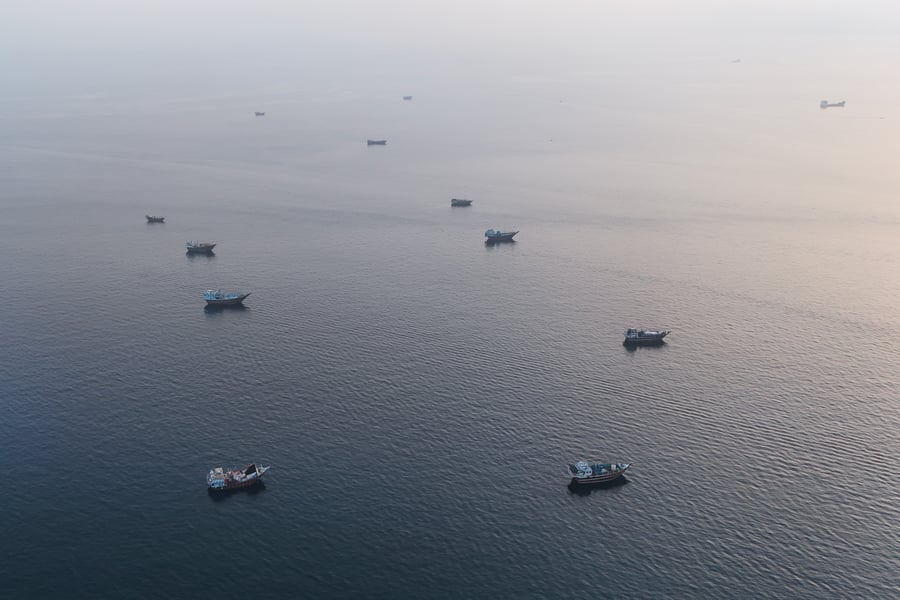
Goldman Sachs has named the risk: oversupply. The bank warns that as Hormuz traffic normalises, with regional oil flows back at roughly 75 percent of prewar levels across the Gulf, the volume coming to market could push crude prices well below current levels. Brent fell to $70.65 on Thursday, its lowest since the US-Israeli strikes on Iranian nuclear facilities opened the conflict in February, while West Texas Intermediate traded at $67.59. A war that briefly lifted crude 70 percent above pre-war levels has been entirely priced out of the market.
The decline is not purely supply-driven. Matthew Carter at UBS framed the $70 handle in terms of what it prevents rather than what it signals: markets and central banks watching that figure are calculating a reduced probability of another inflation shock, The National reported. A war premium that looked for weeks like it would break through $95 per barrel is now a relief rally for rate-setters still scarred by 2022.
Goldman’s oversupply warning introduces a different kind of tension for Gulf governments. The fiscal breakeven oil price, the Brent level at which Saudi Arabia, the UAE, and their neighbours balance national budgets, sits well above $70 for most regional states. The UAE has generally been viewed as the most resilient in the GCC, partly because of Abu Dhabi’s sovereign fund depth and its non-oil revenue diversification. A sustained decline below the regional breakeven range compresses the fiscal headroom available for the postwar reconstruction spending Gulf governments have already committed.
The geopolitical backdrop adds uncertainty that no supply model can fully capture. Oil has erased all its wartime gains as Washington and Tehran conduct indirect technical talks in Doha with Hormuz navigation among the central agenda items. The Doha talks concluded this week without resolving the Hormuz question. Iran has not abandoned its proposed toll framework for the strait, and Iran’s assertion of command authority over the Strait from Deputy Foreign Minister Kazem Gharibabadi is a framing Washington explicitly rejects. The 60-day ceasefire window expires mid-August.
The Mandous storage complex near Fujairah, with capacity for 42 million barrels, continues to function as a strategic buffer even as export volumes recover. Abu Dhabi is likely refilling reserves drawn down during the conflict, which means the net addition to global markets from the UAE’s rebound is somewhat lower than the headline barrel count suggests. The precise drawdown and refill pace is not publicly disclosed.
What the export recovery establishes clearly is that the UAE has permanently altered its relationship with Hormuz as a chokepoint. The Habshan-Fujairah route, operating near its 1.8 million barrels-per-day capacity during the conflict’s worst weeks, validated an infrastructure investment that once looked expensive relative to its theoretical risk. The risk proved less theoretical than it appeared. Abu Dhabi will not be drawing that lesson down.
The harder question is whether Goldman Sachs has correctly sized the oversupply dynamic. The bank’s warning rests on continued Hormuz recovery, unconstrained UAE output, and stable global demand, all reasonable assumptions and each subject to rapid revision if Doha talks collapse before mid-August. OPEC+ without the UAE will meet before then to decide whether to accelerate or pause the planned August quota increases. That decision will be shaped by exactly the number Goldman is watching: how fast the barrels are arriving and how much Brent can absorb before breaking through the floor.